Every surfer chasing the dream knows there is no deeper thrill than disappearing into a hollow rogue. The barrel is the holy grail, a fleeting cathedral of water where time slows and the ocean takes the wheel. For decades, riders have whispered about that sacred space where the lip throws over your head, where the board hums beneath your feet, and where the world outside fades into a cloudy, sun-filtered glow. It’s not just a ride; it’s a fight for your own piece of liquid perfection.
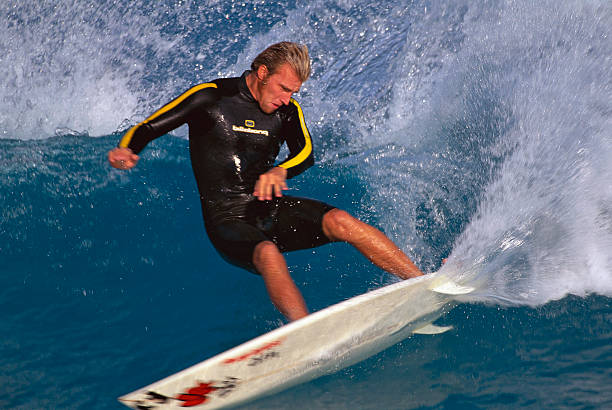
When you’re sliding across a steep, pitching face and feel that first rush of air as the wave begins to tube, your senses go on overdrive. You drop your back hand, dig that rail just enough to stall, and suddenly the ceiling of the ocean becomes a churning mass of foam. Inside, everything booms. The crash of the lip sounds like thunder through a hall, and the only light is a shimmering mirror off the green wall in front of you. Your heart is pounding, but your mind goes calm. This is the green room, and for a few wild seconds, you’re a guest in the ocean’s most secret hideaway.
To get barreled, you have to read the wave like a language. The telltale sign is a sudden raise in the peak, a feathering lip, and a section that looks like it’s bowing backward. You need to position yourself deep, but not too deep, or else you’ll get caught in the lip’s crash zone. The key move is a smooth, drawn-out bottom turn that carves up into the critical part of the face. As you climb, you commit your weight forward, and you steer with your back foot, leaning into the pocket. The trick is to stall just a touch, letting the wave throw over you while you maintain speed with subtle rail-to-rail pumps. Too fast and you’ll shoot out the back, missing the heart of the barrel. Too slow and the lip will eat you alive, sending you tumbling through the wash cycle.
The mental game is just as heavy as the physical one. There’s a split-second decision where survival instinct screams “kick out!” but your soul whispers “hold your line.” That moment of hesitation is the difference between a closeout wipeout and a ride that makes you grin for a week. You have to embrace the fear, make friends with the roaring sound, and trust your board to hold its edge. Every veteran of the tube will tell you that the barrel ain’t a place for a wishy-washy mind. You either go in all the way, or you don’t go in at all. It’s that pure commitment that separates the legends from the lookie-loos.
Your equipment matters too, because the barrel demands a certain kind of stick. A shorter board with a bit more width and thickness floats you through the slow, heavy bottom turns. Fins matter a lot; a quad setup gives you extra acceleration to escape from the suction, while a thruster offers that reliable pivot for quick adjustments. You need a board that you can bury in the rail without it hooking too hard. And don’t forget your wax—the extra grip makes all the difference when you’re angled almost vertical, hanging on for dear life. Some surfers even shave their fins back a little to reduce drag inside the tube. Every ounce of preparation turns into that extra inch of space between your head and the falling lip.
And then, just as quickly as it started, you see the light. The wall starts to soften, the tube opens up into a golden corridor, and you punch out the exit with a burst of speed. The sun hits your skin, the air tastes fresh, and you let out a hoot that echoes down the beach. That’s the moment you live for, the moment that turns a wave into a story. Every barrel is different, but they all share that same addictive rush. The more you chase them, the more you learn that the tube is never truly conquered—you just borrow a few seconds of pure magic when the ocean lets you. Stay stoked, keep charging, and always respect the power behind the green room.