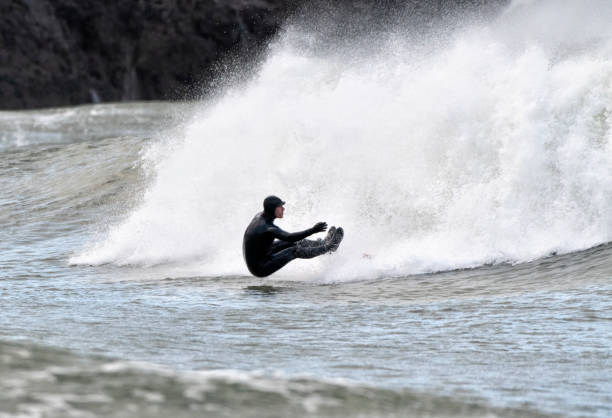
Wipeout: The Inevitable Fall
Live Surf Cams

Surfline Live is a 24/7 glimpse into the world’s surf.

This stream moves through Surfline’s global camera network, showing spots where it’s daylight and rated Fair or better.

What’s The Deal With…?

Surf Lingo Explained

It’s all about positioning and timing. Watch the sets for a while before paddling out. Identify the impact zone and the cleaner exit channels. Don’t paddle out directly where waves are peaking and pitching. Time your duck dives for the shoulder, not the thick of the lip. Sometimes, the smartest move is to let a set roll under you in the channel instead of trying to scratch over it. Good ocean sense keeps you out of the washing machine more often than not.

Stay calm, if you can. Panic burns oxygen. The first wave is often the worst. As it passes, start swimming for light, but conserve energy. The ocean will usually spit you up for a quick gasp before the next one hits. Use that split second to inhale deeply and get your bearings. Trust that the set will pass. Fighting against the entire ocean’s energy is exhausting and futile; sometimes you just have to let it have its way with you for a moment.

Your leash is your lifeline to your board, which is your biggest flotation device. Knowing how to quickly grab and reel it in after a pounding can get you to the surface faster and save energy. Check the cuff and velcro regularly for wear—a snapped leash in a big swell is a serious situation. Understanding its length also helps you gauge your “wipeout radius” from your stick. It’s simple gear, but treating it right is a major safety fundamental.

Surf Lingo Explained

The best medicine is gradual exposure, mate. Start in whitewater to get comfy with the turbulence. Practice holding your breath and staying calm. Visualize popping up after a tumble. Surf with a crew you trust—they’ll have your back. Remember, every charger has eaten it a thousand times; it’s just part of the dance with the ocean. Respect the power, but don’t let the fear sit in your driver’s seat. A little calculated courage goes a long way in building your waterman’s confidence.

Get a full, deep breath first—don’t just gasp. Then, immediately locate your board via your leash and get a hand on it. Use it for stability. Next, scan the horizon for oncoming waves. Get your bearings on where the channel or safest spot is. Only then should you start getting back on your stick. Rushing the remount can lead to slipping off and getting caught inside again. Take that quick moment to reset.

Because they’re your eyes when you’re underwater. A good mate will track you during a wipeout and be ready to help if you surface dazed or if your leash snaps. They can signal the next set coming or even help fetch your board. It’s not just about safety; it’s about shared stoke and confidence. Paddling out back with a friend makes the whole experience less daunting and way more fun. The lineup is always better with a crew.