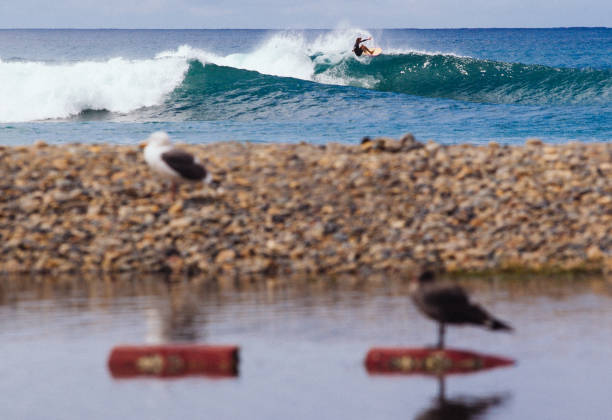
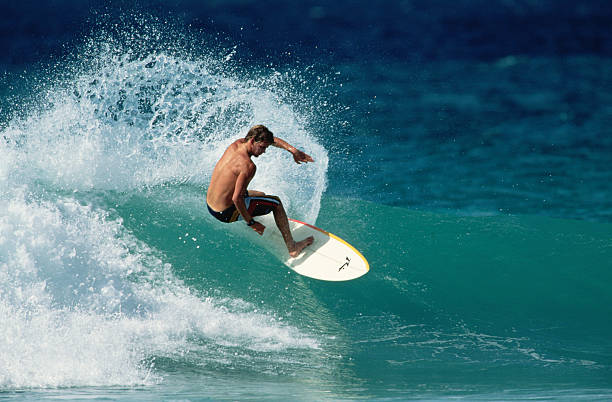
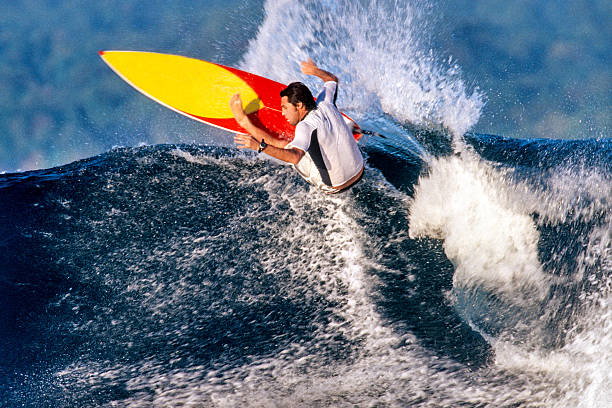
Wave Conditions: Mushy to Primo
Live Surf Cams

Surfline Live is a 24/7 glimpse into the world’s surf.

This stream moves through Surfline’s global camera network, showing spots where it’s daylight and rated Fair or better.

What’s The Deal With…?

Surf Lingo & Slang

Check three key things: swell size/period, wind, and tide. A long swell period (like 14+ seconds) means more powerful, organized waves. Offshore winds (blowing from land to sea) groom the face clean. The tide can make or break a spot; some reefs only work on low, while beach breaks can get drained out. Stoke comes from connecting these elements for your local break. It’s a daily puzzle, and solving it to find shoulder-high, glassy conditions is a huge part of the game.

Wind is a massive factor. Offshore winds (blowing from land out to sea) hold the wave face up, make it smoother, and can help hollow it out. It’s the gold standard. Onshore winds (sea to land) push against the wave face, making it crumbly, bumpy, and weak—often called “victory at sea” conditions. A light offshore at dawn is pure magic. Understanding the wind forecast is key to knowing whether to bring your high-performance shortboard or your beater for a sloppy session.

Every break has a favorite swell direction. A beach with a south-facing cove will light up with a south swell but be flat on a west swell. It’s about how the energy wraps into the coastline and interacts with the underwater terrain. A “direct hit” from the right swell direction means more size and power. Checking the swell angle on the forecast is crucial. You might drive past your usual spot to chase a swell that’s hitting a different angle somewhere else.

Surf Lingo & Slang

A closeout is when a wave breaks all at once along its entire length, instead of peeling left or right. There’s no open shoulder to ride, just a wall of whitewater. It happens on steep, fast beach breaks or when the swell is too big for the spot’s bathymetry. They’re frustrating—you might get a steep drop, but then immediately get swallowed. The goal is to find a “peeling” wave that breaks in sections, giving you a long, rideable wall to carve up.

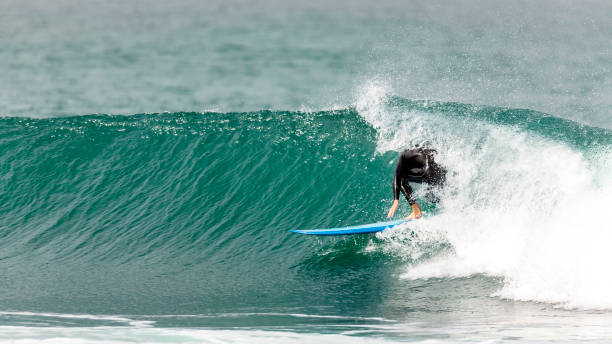
Mushy waves are slow, crumbly, and lack power, often from a weak swell or a gently sloping bottom. They’re great for beginners on longboards. Hollow waves, or barrels, are the dream—steep, fast, and with a pitching lip that creates a tube. They come from powerful swells hitting a steep reef or sandbar. Mushy is for cruisy turns; hollow is for getting shacked. You need different boards for each, and a whole different mindset when the waves start throwing.

Clean conditions are when the ocean surface is smooth, like glass. This happens with light offshore winds or no wind, letting the swell organize into clean, ridable lines. Choppy conditions are when onshore winds or currents mess up the surface, creating bumpy, uneven waves that are hard to ride smoothly. Clean is for performance; choppy is a grind. Everyone waits for those dawn patrol sessions when it’s clean and the only sound is the lip throwing.