Top Surf Destinations: World Tour
Live Surf Cams

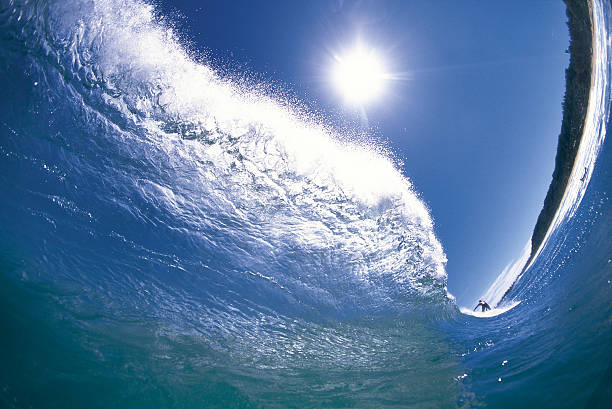
Surfline Live is a 24/7 glimpse into the world’s surf.

This stream moves through Surfline’s global camera network, showing spots where it’s daylight and rated Fair or better.

What’s The Deal With…?

Surf Lifestyle & Travel

It’s all about reading the global weather map! Different coasts fire in different seasons. Northern Hemisphere spots like Hawaii get pumping in winter, while Southern Hemisphere gems like Indonesia light up in our summer. You follow the low-pressure systems. Dedicated travelers use swell models and forecasts to book last-minute flights, chasing that perfect pulse of energy across the ocean. It’s a never-ending global treasure hunt for the next perfect session.

Totally depends on your style. A good surf camp is epic for instant crew, local knowledge, and hassle-free logistics—perfect for scoring uncrowded dawn patrols. Going solo offers ultimate freedom to explore and follow the swell. If you’re a seasoned traveler who knows how to read a break and handle logistics, roll solo. If you want to maximize water time and immersion, a camp is a solid call. Either way, you’re scoring waves.

A world-class wave needs a perfect combo of power, shape, and consistency. Think heavy reef breaks with long, hollow barrels or epic point breaks that run for hundreds of meters. The vibe in the lineup and the surrounding culture are just as crucial. Spots like Pipeline, Jeffreys Bay, and Uluwatu are legendary not just for their gnarly walls of water, but for the soulful communities and pure stoke that surround them. It’s where the ocean’s raw energy meets surfing’s deepest spirit.

Surf Lifestyle & Travel

Beyond your favorite stick, pack a good travel bag, a proven repair kit (resin, cloth, fin plugs), and a couple of different fin options. Don’t forget a solid first-aid kit, extra leash strings, and a solid reef-safe sunscreen. A compact set of tools for fin boxes and dings is a lifesaver. Pack versatile rubber—a 2mm top for cooler dawnies can make all the difference. And always, a positive attitude for when the wind turns onshore.

Forget the marquee names and look for adventure. Think lesser-known islands in Indonesia like the Mentawais’ outer isles, or exploring the coast of mainland Mexico away from the usual spots. Portugal has endless hidden nooks beyond Nazaré and Peniche. Central America still has secret beach breaks if you’re willing to trek. The mission is half the fun. Do your research, be self-sufficient, and always, always respect the spot’s secrecy if you’re trusted with the info.

Respect is key. First, get your paddle fitness and duck-dive dialed—you’ll need it. Study the break via videos and local forecasts to understand the take-off zone and currents. Invest in a proper reef booties and consider a helmet for shallow spots. Most importantly, be humble. Watch from the channel for a long time, let the locals get their waves, and don’t paddle out if it’s beyond your pay grade. Coming back in one piece is always the main priority.