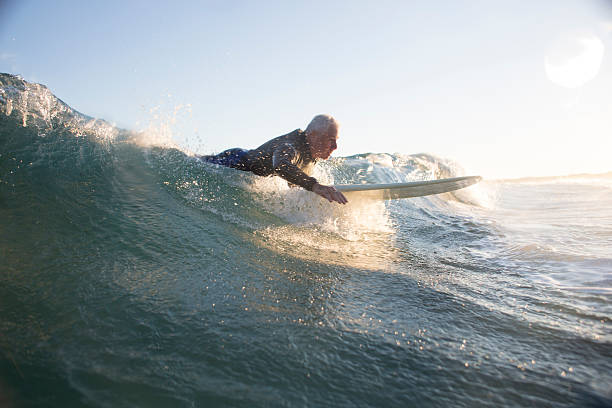
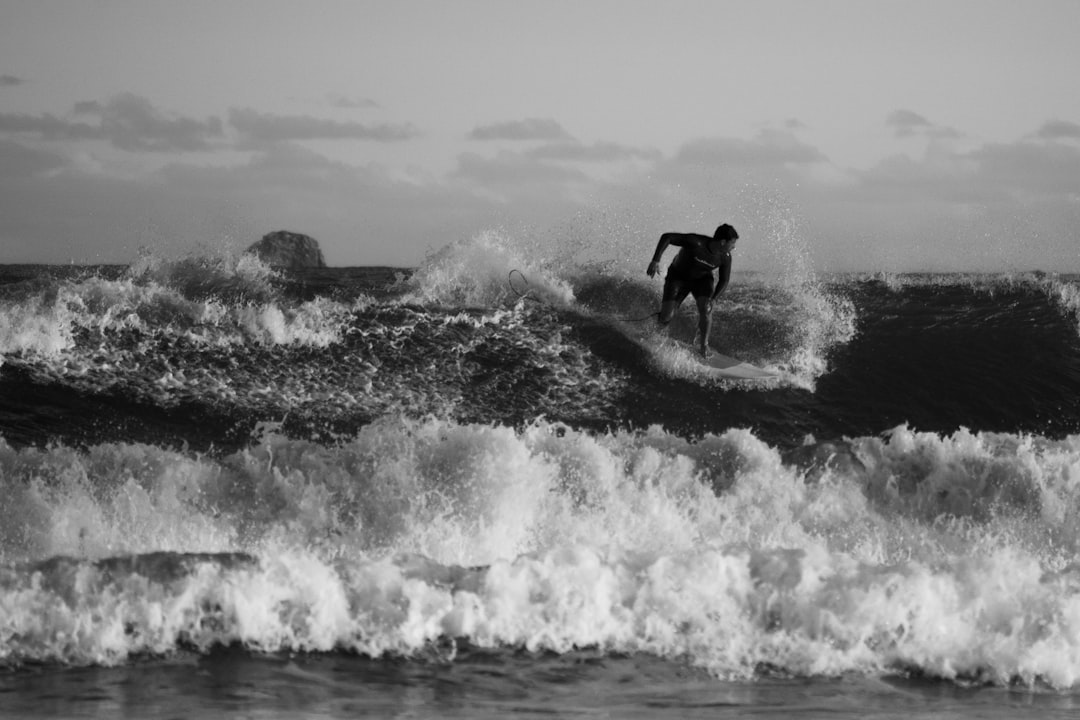
Let’s cut straight to the chase. Choosing the surfing life isn’t about picking up a cool sport for the weekends. It’s a fundamental shift in how you see the world, a decision that re-wires your priorities and reshapes your entire existence. This isn’t some glossy magazine fantasy; it’s a salt-crusted, sun-bleached, deeply rewarding path that demands everything and gives back even more.
At its core, the lifestyle is built around one non-negotiable: the stoke of the glide. Everything else—the job, the house, the daily grind—gets filtered through that lens. You’re not checking the weather; you’re studying swell models, wind direction, and tide charts. Your internal clock syncs with dawn patrol, that sacred morning session before the world wakes up. A “good day” isn’t defined by productivity in an office, but by the memory of a clean line you drew on a glassy face, the drop you made under the lip, or even just the sheer joy of a few hours in the impact zone, getting worked and loving every second of it.
This life naturally breeds a minimalist, functional approach to everything else. Your wardrobe becomes a collection of board shorts, hooded wetsuits, and sun-faded tees. Your car isn’t a status symbol; it’s a quiver-hauler, packed with boards for every condition and smelling perpetually of neoprene and salt. You develop a surfer’s eye, seeing not just a coastline, but a series of peaks, rips, and channels. A road trip isn’t about the destination; it’s about the potential point breaks you might scout along the way, chasing that endless summer feeling to its logical conclusion.
The community is the bedrock. You’ll find it in the lineup, a loose fellowship bound by shared respect and an understanding of the ocean’s power. There’s a language here, spoken in nods and shouts of “Go for it!“ or “Yew!“ after a solid ride. It’s in the respect for the hierarchy of the peak, the localism you navigate with humility, and the unspoken rule that you always have your buddy’s back in the water. This tribe connects globally, from the shapers in a dusty garage to the travelers swapping stories about secret spots in Bali or pumping beach breaks in Portugal.
Sure, it’s not all perfect barrels and sunset sessions. The surfing life comes with its own set of responsibilities. You learn to read the ocean not just for joy, but for survival—understanding rips, respecting the power of a hold-down, and knowing when it’s just not your day. You become an environmentalist by default, because you see the plastic in the lineup and the changing reefs firsthand. You fight for coastal access and clean water because your playground depends on it.
Ultimately, choosing this life is about embracing a different kind of wealth. Your riches are measured in hours spent in the water, in the number of dawns you’ve seen paint the sky from the lineup, in the feeling of being utterly spent and completely alive after a big swell. It’s about the patience to wait for sets, the resilience to paddle back out after a beating, and the pure, unadulterated joy of connecting with a force of nature.
So, if you’re just dipping your toes in, understand this: surfing is easy to try but hard to leave. It gets in your blood. One day you’re a beginner struggling to pop up on a foamie, and the next you’re planning your entire existence around the next swell. That’s the real deal. That’s the surfing life. It’s a commitment to the chase, a dedication to the glide, and a lifelong love affair with the sea. Welcome to the tribe. Now go check the cams.