Surfboard Evolution

•

Live Surf Cams

Surfline Live is a 24/7 glimpse into the world’s surf.

This stream moves through Surfline’s global camera network, showing spots where it’s daylight and rated Fair or better.

What’s The Deal With…?

Surfboard Evolution

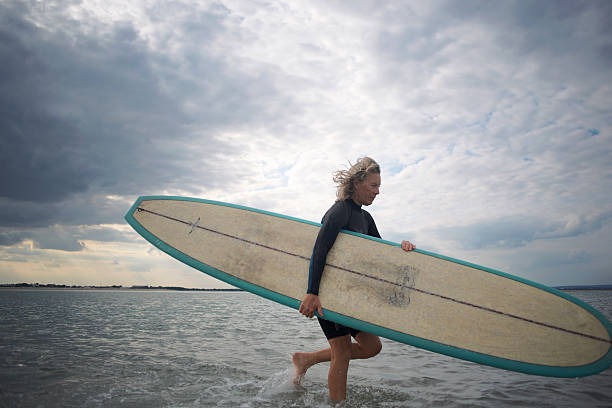
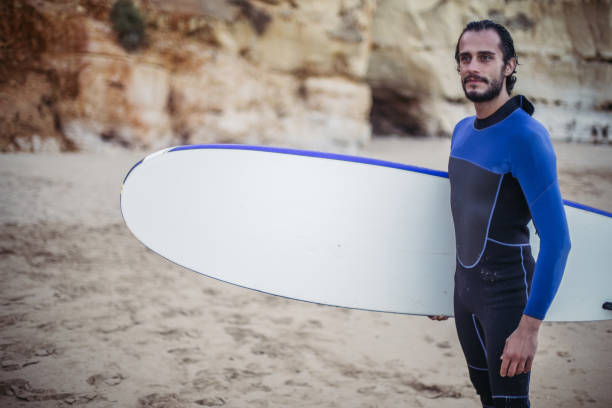
Those classic logs, like the ones from the Endless Summer, were all about glide and noseriding. Usually over 9 feet, made of heavy wood or early foam, they were stable and caught waves easy. They ruled the lineup until the shortboard revolution in the late ’60s. Today, they’re still the go-to for a smooth, soulful ride, perfect for cruising and hanging ten. It’s all about style and connecting with the roots of the sport.

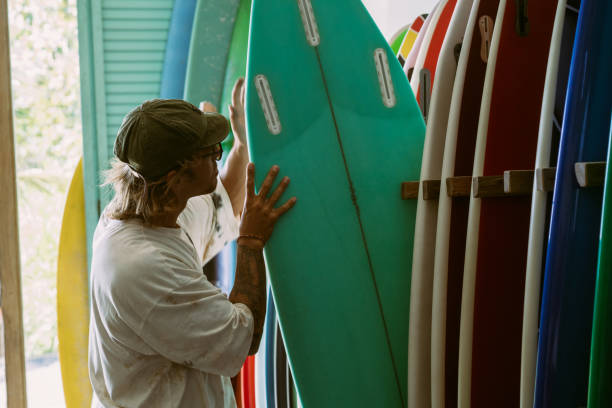
Think about your skill, the waves you usually surf, and what you want to do. A beginner needs a big, stable log or funboard. An intermediate surfer might want a versatile egg or funboard-shortboard hybrid. Advanced surfers tailor their quiver to conditions: a groveler for small days, a performance shortboard for good waves, maybe a step-up for bigger days. Don’t just follow trends—talk to local shapers and find what works for your local break and style.

Because style never goes out of style, dude! Boards like single-fin eggs, twin-fin fishes, and mid-lengths offer a different, often more flowing and expressive, way to surf. They connect us to different eras and provide a fun alternative to high-performance shredding. They’re often more forgiving and work in a wider range of waves. It’s about the joy of the ride, not just the hardest turn.

Surfboard Evolution

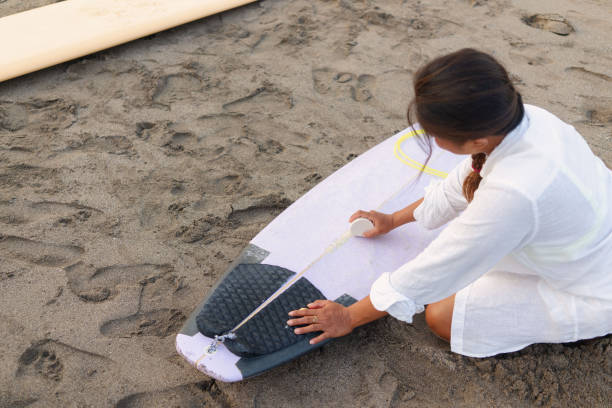
Fins are your board’s steering and hold! The single fin of the longboard era gave way to the twin-fin for looser, skatey feel in the ’70s. Then came the thruster (three fins), invented by Simon Anderson, which gave insane drive and control, becoming the standard. Quads and even five-fins offer different combos of speed, pivot, and hold for specific waves. It’s all about dialing in your feel for different conditions, from small mush to pumping barrels.

Volume (length x width x thickness) is your best friend for finding the right board. More volume means more foam, which equals easier paddling, better wave-catching, and more stability—great for beginners or smaller days. Less volume means a more responsive, sinky, and aggressive ride for rippers. The key is matching the volume to your skill and the waves you surf. Too little foam on a small day is a battle!

These are your small-wave weapons! When the surf is knee-high or mushy, your standard shortboard feels like a dog. Fishes, with their wide tails and twin fins, and modern grovelers, with extra volume and squash tails, are designed to generate speed in weak waves. They keep you flying when there’s little power, turning a mediocre day into a fun session. Every quiver needs one for those average days.