Pop-Up Perfection: Getting to Your Feet
Live Surf Cams

Surfline Live is a 24/7 glimpse into the world’s surf.

This stream moves through Surfline’s global camera network, showing spots where it’s daylight and rated Fair or better.

What’s The Deal With…?

Surf Technique Deep Dive

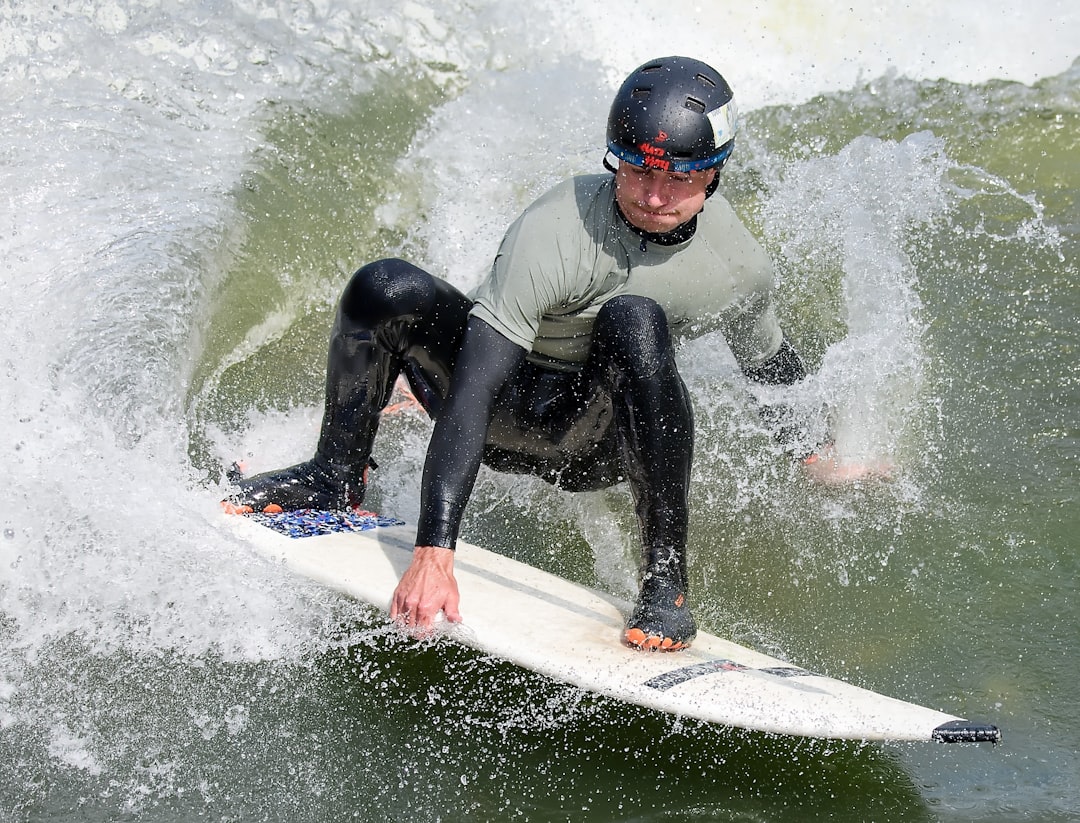
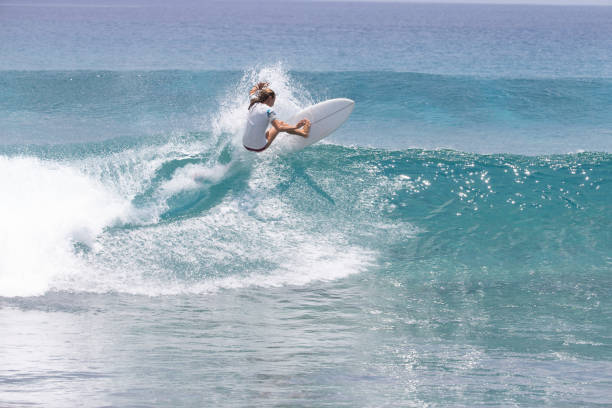
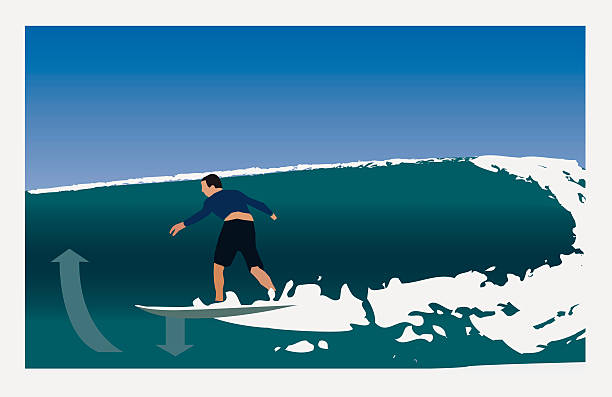
It starts with your feet. Your back foot should be near the tail, perpendicular to the stringer. Your front foot is at a 45-degree angle or more, pointing down the line, roughly where your hands were. Bend your knees, not your waist! Keep your chest up and your arms out for balance. Look where you want to go, not down at your feet. A low center of gravity is crucial—think “athletic stance” like you’re ready to move anywhere. The stability comes from a strong, engaged core.

Back foot, one hundred percent. Planting your back foot first gives you immediate control over your tail and stabilizes the whole board. It acts like an anchor, allowing you to then place your front foot precisely between your hands. If you lead with your front foot, the board can get squirrely and you’ll likely lose balance. Think “back foot, then front foot” as your mantra. This sequence is non-negotiable for a balanced, powerful stance ready to make a bottom turn.

You’re likely popping up too early, before the wave has properly lifted the tail of your board. You gotta feel the wave pick you up and push you first. If you’re too far forward on the board when you make your move, the nose digs in and you go over the falls. Focus on angling slightly down the line as you pop, and make sure you’ve caught the wave, not just the whitewater. Patience, mate—wait for that sweet spot of momentum.

Surf Technique Deep Dive

The living room floor or the beach is your training ground. Lie on your stomach, hands in position, and practice that explosive, single motion. Use a pop-up board or just a towel. Focus on speed and fluidity—no pausing in a cobra position. Visualize the wave pushing you. Dry-land reps build the muscle memory so when you’re in the soup, it happens automatically without thought. Even a few minutes a day will make a huge difference in your muscle memory and confidence.

Bigger, thicker boards (like longboards or funboards) are more forgiving and give you more time. You can almost walk to your feet. On a shortboard, the pop-up needs to be faster and more precise because the board is less stable. Your foot placement has to be spot-on. If you’re learning, a higher-volume board is your best friend—it makes the pop-up easier and builds confidence. As you downsize, you’ll need to refine that motion to be quicker and more compact.

It’s all about that explosive, one-motion movement. Don’t overthink it or go in stages—think “pop” not “push-up.“ Your chest leads the way; spring from your hands and bring your back foot to its spot first for stability, then your front foot lands across the board. Practicing this motion on the sand until it’s muscle memory is key. A smooth pop-up sets the tone for the whole ride, so keep it fluid and commit. You’ll be dropping in and setting your line in no time.