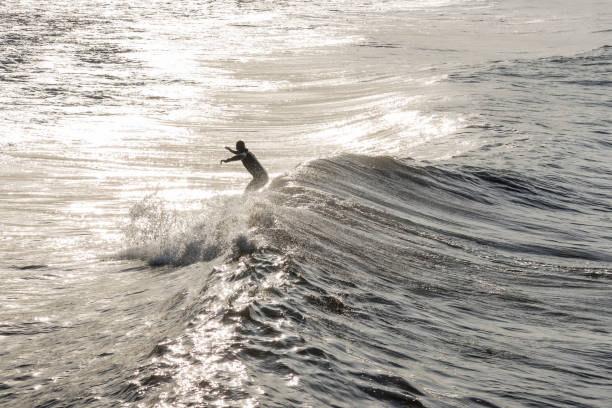
Kook vs. Ripper: Knowing the Difference
Live Surf Cams

Surfline Live is a 24/7 glimpse into the world’s surf.

This stream moves through Surfline’s global camera network, showing spots where it’s daylight and rated Fair or better.

What’s The Deal With…?

Surf Lingo & Slang

First, learn the rules: don’t drop in, paddle wide of the peak, and don’t ditch your board. Watch and learn from experienced locals. Match your equipment to your skill level—no ripping on a giant foamie, but also no struggling on a tiny high-performance shred stick. Most importantly, be humble, apologize for mistakes, and focus on control over recklessness. It’s all about sharing stoke, not stealing waves.

The cardinal sin is dropping in—taking off on a wave when someone is already riding it closer to the peak. This is a major safety hazard and a surefire way to get the stink eye. Other classic fails include paddling straight through the peak where people are riding, snake-ing (paddling around someone to get priority), and ditching your board, which can hurt others. Always look before you go.

For sure! Longboard ripping is a different style, but it’s just as legit. Think nose rides, cross-stepping with grace, and smooth, soulful carves. A longboard ripper has impeccable wave knowledge, style for miles, and can make a small day look like J-Bay. It’s less about explosive airs and more about classic, flowing maneuvers drawn out across the wave. Different craft, same mastery.

Surf Lingo & Slang

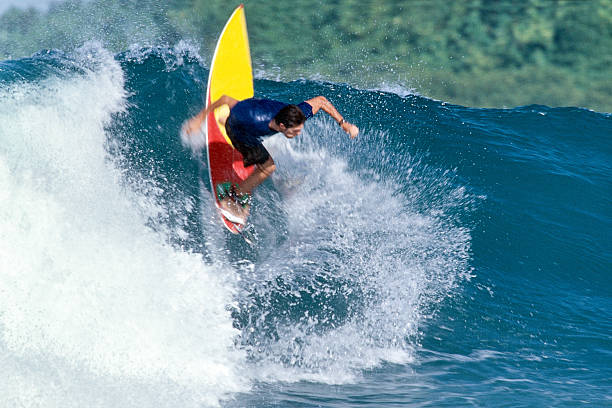
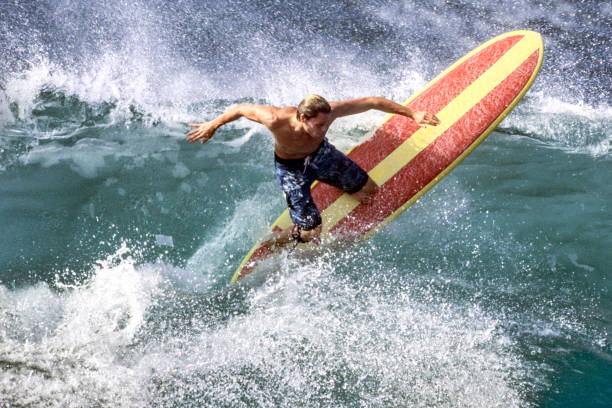
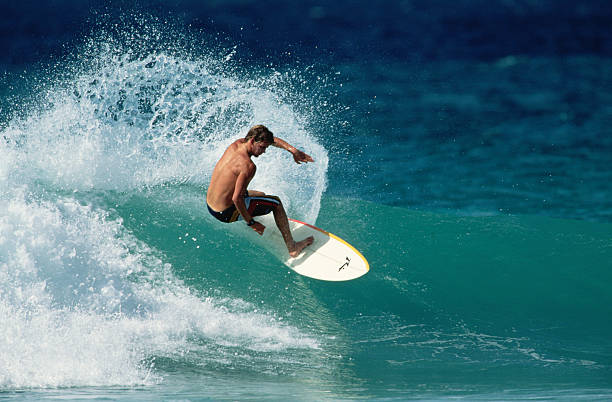
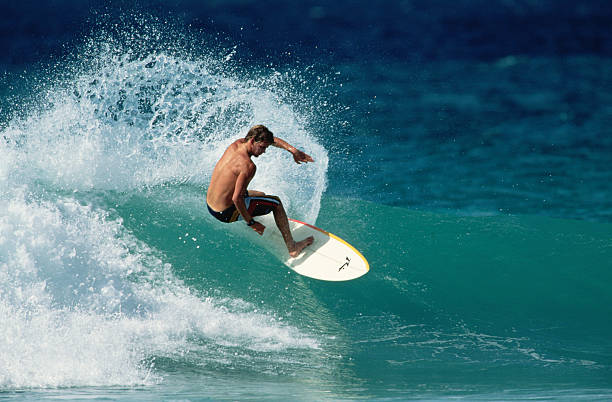
A ripper attacks the wave with style and power. We’re talking critical maneuvers: deep bottom turns, carving off the top, throwing spray, and landing airs. They use the whole wave face, from the pocket to the shoulder, with speed and flow. It’s not just about being radical; it’s about linking turns with intention and making difficult sections look effortless. They read the wave a few moves ahead.

Absolutely, dude! Even the pros have days. A bad wipeout, misjudging a section, or just plain old brain fade happens to everyone. The difference is, a ripper usually laughs it off, knows what they did wrong, and doesn’t make a habit of it. It’s about consistency. Having a kooky moment doesn’t make you a kook; it’s the repeated, unaware behavior that defines the label. We’re all human in the brine.

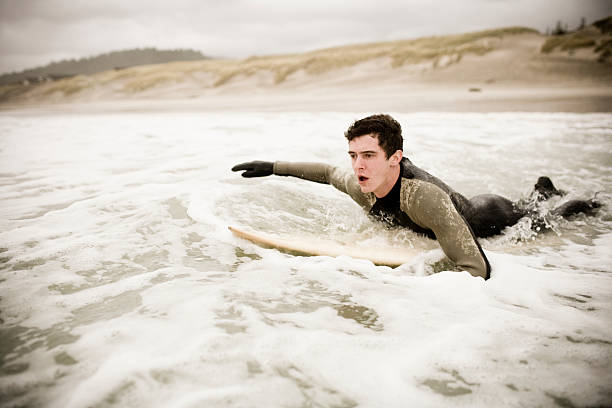
Commit to water time, even when it’s small or messy. Get the right board—often a funboard or mid-length—to help you catch more waves and learn to turn. Watch tutorials, but more importantly, watch the water. Study how rippers position themselves. Focus on one skill at a time: paddling, pop-up, bottom turn. Fitness helps massively. And always, always practice wave etiquette.