
Costa Rica’s Tropical Tubes: The Pura Vida Pipeline

Forget the crowded lineups and the winter wetsuit shuffle. If your soul craves warm water, consistent swell, and a vibe that’s more about the ride than the rivalry, then you need to point your board bag towards Costa Rica’s tropical tubes. This isn’t some hidden secret anymore, but what it is, is a legit, no-nonsense surfing paradise that delivers the goods with a side of pure life—pura vida, as they say here.

The beauty of surfing in Costa Rica is its sheer consistency. While other spots are going flat, the Pacific side of this Central American gem is getting kissed by steady south swells in their summer (our winter) and solid northwest pulses in their winter (our summer). It’s a year-round wave magnet. You’re not chasing a mythical, once-a-season swell; you’re chasing the sun for everyday sessions. Think of it as The Endless Summer with a rainforest backdrop and howler monkeys as your dawn patrol alarm clock.

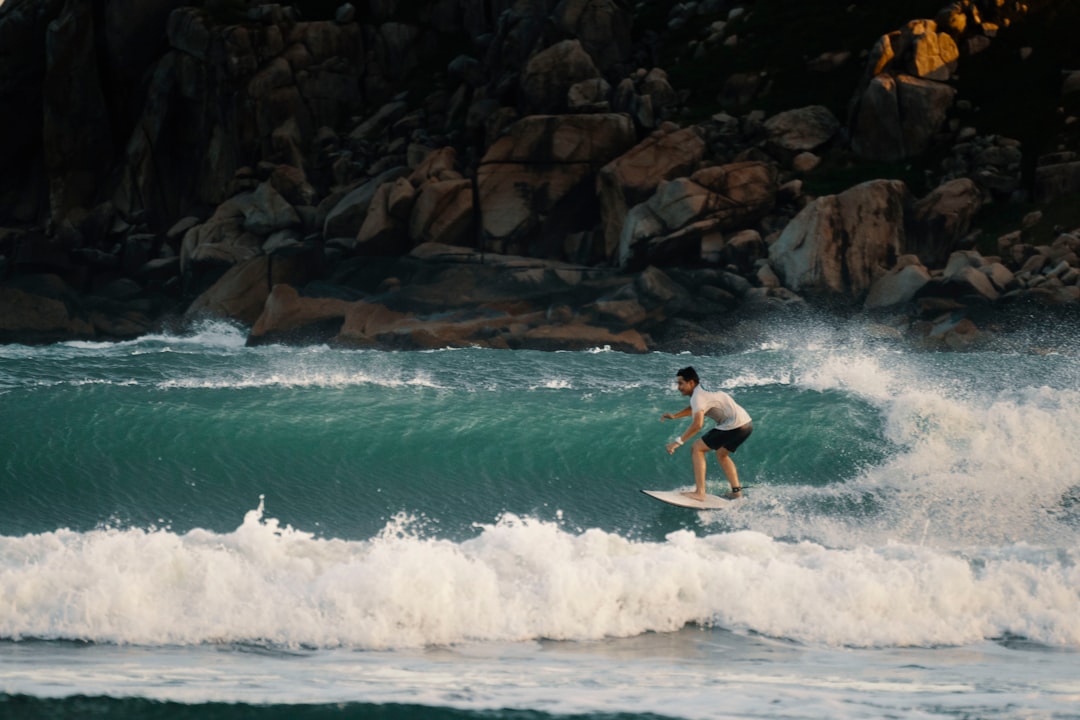
Let’s talk spots. The Pacific coast is where the magic happens. Up in the north, you’ve got the Guanacaste region, a dry tropical savanna dotted with beach breaks and rocky points that light up with that northwest swell. Places like Tamarindo and Playa Grande offer fun, accessible waves perfect for finding your rhythm or logging some noserides. But head a little further off the beaten path, and you’ll find hollow, fast beach breaks that can serve up some seriously draining barrels when the conditions align.

The real juice, for many, is down in the Central Pacific and the famed Southern Zone. This is where you find the iconic right-hand point breaks. Pavones, when it’s on, is a seemingly endless wall that can offer rides so long your legs burn. It’s a wave that demands fitness and flow, a true surfer’s wave. Then there’s Hermosa, not to be confused with the Jaco beach break of the same name. This Playa Hermosa is a relentless stretch of sand that consistently produces powerful, A-frame peaks. It’s heavy, it’s hollow, and it’s where you go to get tubed. Paddle out here, and you know you’re in for a session that tests your duck-diving and your courage.

But the surf lifestyle here is about more than just the waves. It’s the pura vida ethos. It’s rolling out of your cabina, checking the surf with a cup of local coffee, and paddling out in boardies or a rashie—no rubber needed. It’s the post-session grub: a massive plate of fresh gallo pinto (rice and beans) with eggs, fueling up for the evening glass-off. It’s the community in the water, which, while getting busier at the well-known spots, generally retains a respectful, stoked-out vibe. Everyone’s just amped to be surfing in warm water.

The travel is straightforward. Fly into Liberia for the north or San José for the south. You can rent a 4x4, throw your boards on top, and go explore. That’s the key—mobility. The coast is dotted with countless coves and reefs, and half the fun is the mission, checking spots, finding your own little peak for the day.

So, if your idea of the surf lifestyle involves trading booties for flip-flops, trading icy dawn patrols for tropical sunrises, and trading maybe-waves for guaranteed fun, Costa Rica’s pipeline is calling. It’s a place where the waves are warm, the barrels are tropical, and the living is easy. Just go. Surf. Repeat. That’s the pura vida way.
Related Posts

Live Surf Cams

Surfline Live is a 24/7 glimpse into the world’s surf.

This stream moves through Surfline's global camera network, showing spots where it’s daylight and rated Fair or better.

What's The Deal With...?

Surf Lingo Explained

What’s the best way to get over the fear of a heavy wipeout?

The best medicine is gradual exposure, mate. Start in whitewater to get comfy with the turbulence. Practice holding your breath and staying calm. Visualize popping up after a tumble. Surf with a crew you trust—they’ll have your back. Remember, every charger has eaten it a thousand times; it’s just part of the dance with the ocean. Respect the power, but don’t let the fear sit in your driver’s seat. A little calculated courage goes a long way in building your waterman’s confidence.

How do I move from the whitewater to catching real waves?

First, master popping up smooth and fast on broken foam. Then, practice your paddle strength and duck diving. The key is positioning: sit outside, watch the sets, and learn to read which waves will have a clean shoulder. Start on smaller, mellow days. It’s all about timing—paddle with commitment just as the wave lifts your tail. Don’t be afraid to eat it; every wipeout is a lesson.

Why is “reading” the ocean so important?

Reading the ocean is like understanding a language. It’s about spotting the sets, identifying the peak, and seeing how the waves are breaking. You look for rips, wind changes, and tidal shifts. This knowledge tells you where to sit, when to paddle, and which wave to go for. It saves your energy and gets you more waves. Without it, you’re just paddling around blindly. The ocean is always talking; you just gotta learn to listen.

Surf Icons & Heroes

What kind of surfboard does Bethany ride?

Bethany rides custom sticks tailored for her unique style. Her boards often feature a modified nose shape, sometimes with a handle or extra grip for stability during take-off. She typically rides shorter, high-performance shortboards that are wider and thicker through the front for extra paddle power and balance. The tails are often pulled in for control in critical sections. It’s all about that perfect blend of paddle-ability, pop-up speed, and radical maneuverability to tackle anything from Pipeline to small peelers.

Where are the best places to surf that were Andy’s favorites?

Andy thrived in powerful, barreling waves. His top spots were Pipeline and Teahupo’o, where his tube-riding courage shone. He also loved the playful walls of his home break, Pine Trees in Kauai, and the competitive perfection of Snapper Rocks. For a taste of AI’s kind of wave, chasing swells to these iconic reefs will give you a serious appreciation for the power he so famously harnessed.

How does Kelly Slater train and stay in shape?

It’s not just paddling, bro. His regimen is next-level. He mixes intense water sessions with dry-land training: think yoga for flexibility, breath-hold exercises for big hold-downs, and functional strength workouts. He’s big on cardio and endurance, often using a VersaClimber. Diet is key too—mostly plant-based, clean fuel. But his biggest secret? He’s just in the ocean constantly. That muscle memory and wave knowledge from a lifetime of surfing is the ultimate training. His discipline is as sharp as his surfing, which is why he’s still competing with the young guns.