All Articles

Live Surf Cams

Surfline Live is a 24/7 glimpse into the world’s surf.

This stream moves through Surfline’s global camera network, showing spots where it’s daylight and rated Fair or better.

What’s The Deal With…?

Mastering the Waves

Ah, the funboard—the ultimate “in-betweener”! Ranging from 7 to 8 feet, it gives you the paddle power of a longboard with some of the maneuverability of a shortboard. It’s the perfect shape if you’re progressing from a log, surfing smaller days, or just want one board that handles most conditions. It’ll keep you stoked when the waves aren’t firing hard.

If you’re riding a shortboard or a fish, it’s key for control. The kicktail gives you a reference point for your back foot without looking down, helping you pivot and push through turns. For longboarding, it’s more about personal preference for the tail. Get one with a comfortable arch bar and the right amount of foam. It’s like grip tape on a skateboard—essential for performance.

Totally! Groms usually ride soft-top boards or small, durable epoxy funboards that are forgiving for wipeouts and easy to paddle. Think about volume and stability. A 7’ foamie is a classic starter. As they progress, they move into proper shortboards or grovelers that match their size and skill. Don’t forget a solid leash, a snug-fitting rashguard, and, most importantly, a solid surf earplug habit to prevent surfer’s ear down the line. Proper gear keeps ’em safe and stoked.

Surfboard Evolution

The move away from heavy polyurethane foam and fiberglass was key. Lighter blanks and the introduction of the thruster fin setup (three fins) by Simon Anderson in the early 80s gave shortboards insane drive and control. These materials and designs gave surfers the confidence to push into heavier, barreling waves and come out flying, allowing for the progressive, aerial surfing we see today.

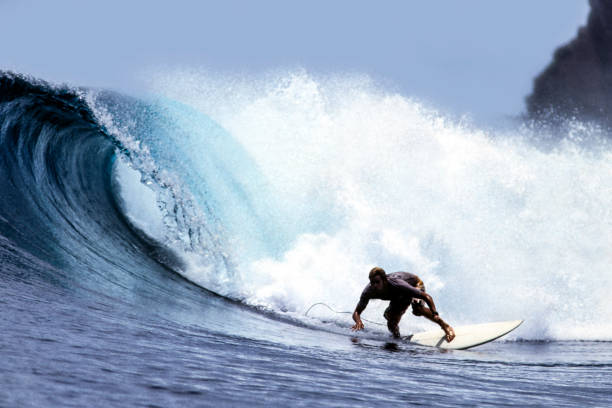
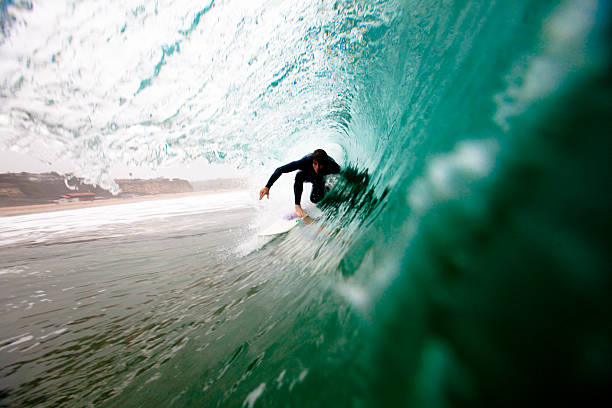
Work on your flexibility and your breath-hold. Yoga is huge for getting your body ready to compress and tuck. Practice holding your breath while doing light exercise to simulate the stress of a long tube. Visualization is also key—picture the whole process. On land, you can practice the stance: low center of gravity, back hand trailing in the wave face. But nothing replaces actual time in the water, especially in small, forgiving shorebreak to get used to the feeling of being covered up.

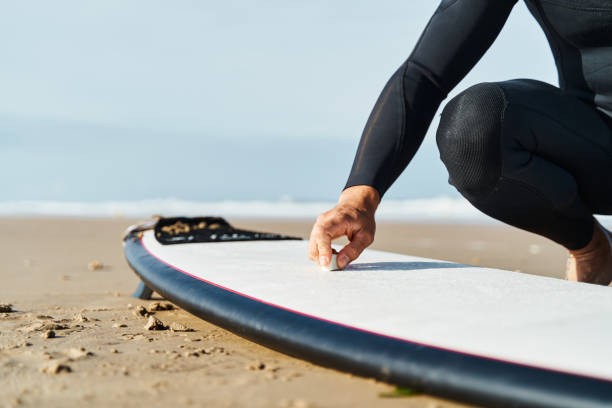
You’re likely using wax that’s too soft for the water temp. In tropical heat, even warm-water wax can turn to mush. Always shade your board from direct sun when you’re not riding. If you’re in seriously hot destinations, consider a wax cooler bag or a tropical/hard combo. A solid basecoat helps, but sometimes you just gotta re-apply more often. It’s a small price to pay for firing waves in warm water.