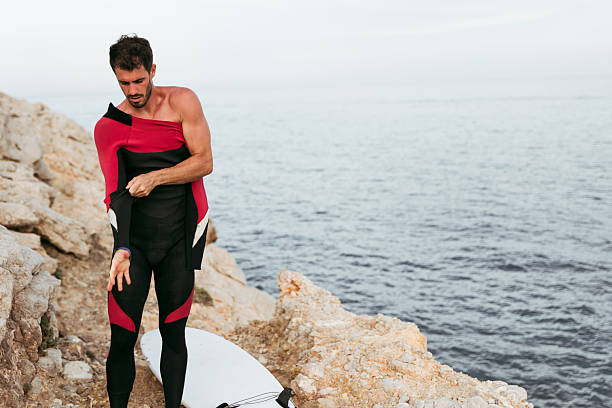
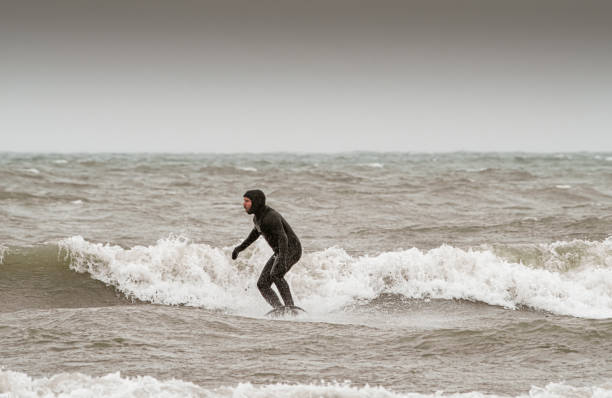
Forget the Instagram filters and the neon board shorts for a second. Mastering the waves isn’t about looking the part; it’s about becoming part of the ocean’s rhythm. It’s a gritty, saltwater-in-your-sinuses journey of respect, repetition, and reading the ever-changing lineup. This ain’t about instant gratification. It’s about the lifelong stoke of chasing that feeling, from your first wobbly pop-up on a foamie to dropping into a heaving, glassy peak at dawn.
It starts with the basics, and there are no shortcuts. You gotta pay your dues in the whitewater. Paddling out isn’t just a means to an end; it’s your foundation. Building that paddle power and learning to duck dive properly are what separate those who battle the ocean from those who work with it. Your first board matters. Grab a log—a big, forgiving longboard or a foamy. It’s about catching waves, not looking cool. The cool comes later, with competence. The pop-up is a single, fluid motion. Practice it on the sand until it’s muscle memory. Your mom’s yoga mat at home works, too. No shame in the land-game.
Once you’re green-lit to venture to the outside, the real education begins. Surf etiquette isn’t just a list of rules; it’s the law of the lineup. The surfer closest to the peak has the right of way. Don’t drop in. Don’t be a snake. Paddle wide, not through the peak. Apologize if you blow it. This isn’t bureaucracy; it’s about safety and respect. It’s how you earn your place in the tribe. You’ll also start reading the ocean. Watching the sets, identifying the peak, spotting the channel. Is it a crumbling close-out or a peeling A-frame? This knowledge is your most valuable piece of equipment.
As you progress, the relationship with your gear deepens. You’ll move from that foamie to a funboard, then maybe to a shortboard or a performance fish. You’ll learn how rocker, volume, and fin setup change everything. You’ll get fin chops and repair dings with Solarez, making that board truly yours. You’ll talk about quads versus thrusters, and why your 6’2” squash tail works magic in those beach break barrels but feels sketchy on a point.
Technique shifts from just standing up to actually surfing. It’s about generating speed down the line, bottom turns that set up the whole ride, carving off the top, and learning to stall and tuck into the green room. You’ll take your first close-out on the head and realize wiping out is part of the curriculum. You’ll learn to fall flat, cover your head, and just relax as the washing machine does its thing. The ocean humbles everyone.
But mastering the waves is more than maneuvers. It’s a lifestyle built around the tides and the swell forecasts. It’s dawn patrols with empty lineups and steaming coffee in the parking lot. It’s that post-surf feeling where everything is just… better. It’s chasing that endless summer, whether it’s a road trip up the coast or a pilgrimage to a tropical reef pass. It’s understanding the legends—from Duke to Laird—and the rich, deep culture that came before you.
In the end, mastery isn’t a destination. There’s always a bigger wave, a cleaner barrel, a more critical section. The ocean always has another lesson. The true master isn’t the guy with the most radical spray; it’s the one with the most respect, who’s still stoked after a two-hour session in knee-high slop, and who always, always, looks after the lineup and the break itself. So paddle out, pay attention, and respect the rhythm. The wave is the only teacher you need.