Alright, so you’ve got the pop-up dialed, you’re trimming down the line with confidence, and you’re starting to feel the rhythm of the wave instead of just fighting it. That’s solid. But there comes a time when just making the section isn’t enough. You start looking at the wave not just as a ride, but as a canvas. That’s where the real art of surfing begins: with advanced maneuvers like carving and airs. This isn’t about flash for the ‘gram; it’s about pure expression and pushing your own limits.
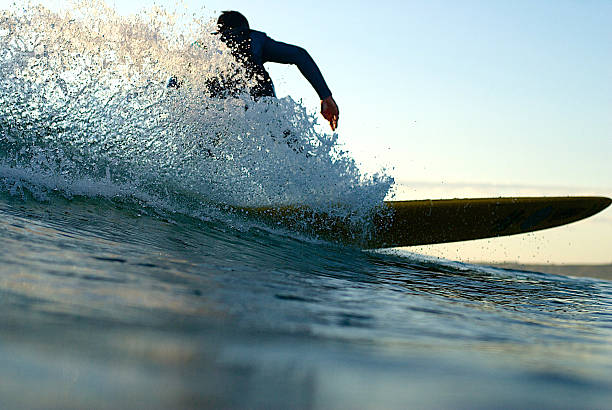
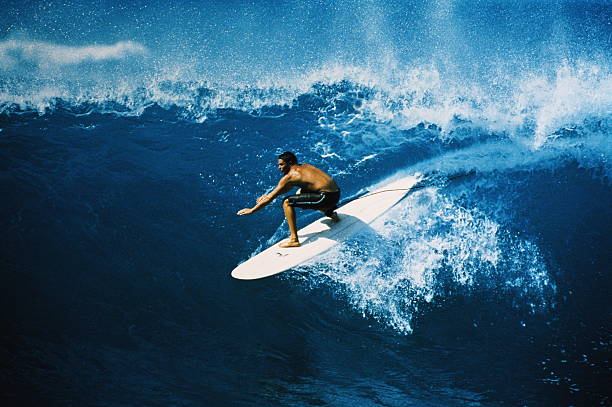
Let’s talk carving first. Forget the gentle turns. A true carve is an aggressive, committed redirection of your board, using the entire face of the wave. It’s about laying it on rail and using that edge to project yourself with speed and power. Think of your rail as a knife and the wave face as soft butter. A bottom turn is the foundation of every carve—it’s the pump at the bottom that gathers all the speed you’ve just dropped down with and launches you back up towards the lip. Do it right, and you’re setting up for everything that follows. Then you’ve got your top turn or cutback. The top turn is a powerful, vertical snap off the lip, redirecting you back down. The cutback is the classic move for when you’ve flown too far ahead of the pocket; it’s a sweeping, often roundhouse turn that brings you back to the power source of the wave. Mastering these isn’t just about looking cool. It’s about wave management, maintaining speed, and setting the stage for the next move. It’s the language of flow.
Now, for the aerial game. Getting air is the modern benchmark of high-performance surfing, but it’s not just about launching and hoping. It starts with speed. You need to be flying down the line, usually from a solid bottom turn, headed for a nice, lippy section. The launch is critical—you use the wave’s lip as a ramp, compressing your legs and then exploding upwards. This is where board control goes next-level. In the air, it’s all about body and board management. You’re not just a passenger; you’re using your arms for balance, your eyes to spot the landing, and your feet to keep that board under you. Then comes the stomp. The landing is everything. You want to come down with your weight centered, absorbing the impact with your knees, and ideally, landing with enough momentum to keep charging. Start small. A little air reverse or a straight air is the place to begin. The goal is control, not chaos. It’s a commitment, and you’re going to eat it more than a few times. That’s part of the process.
But here’s the real talk: these moves aren’t separate tricks. They’re connected. A vicious carve generates the speed for a massive air. A landed air should flow straight into a carving bottom turn to keep the ride alive. The best surfers in the world make it look like one continuous, fluid motion—a dance where power and grace meet.
So, how do you get there? Time in the water. Endless, repetitive time. Find a forgiving wave, maybe a bit softer and crumbly, to practice your carves without getting slammed. For airs, you want a wave with a nice, predictable lip to act as your launchpad. Watch footage, break it down in your head, but then go and feel it. It’s about muscle memory and wave intuition. Don’t force it on a double-overhead day of consequence. Build the foundation, then add the flair.
In the end, mastering these advanced maneuvers is what turns a session from a swim into a symphony. It’s about talking to the wave in its own language, moving with it, and adding your own punctuation. It’s the pursuit that keeps us endlessly stoked, session after session, always chasing that next perfect, flowing ride. Now get out there and put it on rail.