All Articles

Live Surf Cams

Surfline Live is a 24/7 glimpse into the world’s surf.

This stream moves through Surfline’s global camera network, showing spots where it’s daylight and rated Fair or better.

What’s The Deal With…?

Legendary Surf Spots

Your main options are chartering a boat or driving 4x4 vehicles along rough, dusty roads. Boat trips are king for accessing the remote, world-class breaks along the coastline, linking up with surf camps or charters. If you’re land-based, a sturdy 4x4 with a local driver who knows the tracks is essential. It’s not a place for casual cruising; transport is part of the adventure. Be ready for long, bumpy journeys that make that first wave taste even sweeter.

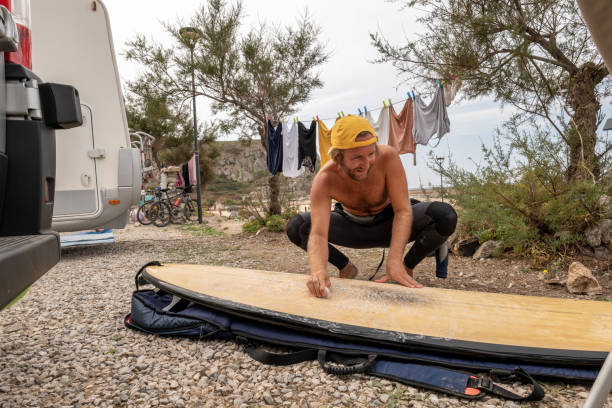
Frothing is next-level, borderline obsessive stoke. It’s when you’re checking the buoys every five minutes, waxing your board at midnight for a dawny, and dreaming about bottom turns. Excited is casual; frothing is all-consuming. You’re not just happy for waves, you’re fully consumed by the pursuit. When a solid swell hits the radar, the froth factor in the lineup goes through the roof. It’s the driving force behind every mission.

It’s a mindset, brah. Start your day early, just like you would for a dawn patrol. Stay water-focused—swim, skate, or just stretch to keep loose. Eat clean to fuel your body for sessions. Choose gear that works from the beach to the street. Most importantly, carry that chilled, patient vibe into everything. Respect the environment, cherish your crew, and always make time to just watch the ocean. The lifestyle is about the love of the glide, in or out of the water.

Surfboard Evolution

Don’t just grab your hero’s dims! Start with a higher-volume, user-friendly shape—often called a “fish” or a “groveler.“ You want enough foam to paddle and catch waves easily as you learn the more dynamic style. Talk to your local shaper or shop guru. It’s about finding the right balance of float, rocker, and rail shape to match your skill level and local breaks.

Patience, young grasshopper. The timeline varies, but expect a few weeks to a couple of months. It’s not an overnight process. There’s the design chat, the actual shaping, glassing, sanding, and drying time. Good glass jobs can’t be rushed. Use the wait to build stoke—it’s part of the ritual. When you finally get the call to pick it up, it feels like Christmas morning. That first glance at your new glider is always worth the wait.

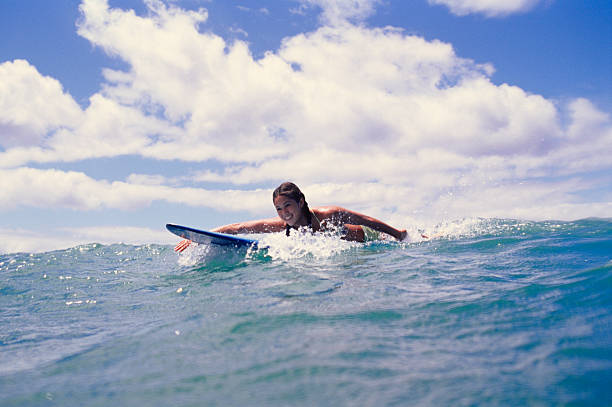
Look for a gentle, sandy-bottom beach break with consistent, small waves—often called a “mushy” wave. These spots have less power and a forgiving seabed, perfect for practicing pop-ups. A mellow vibe in the water and a lack of heavy localism are key. Think places like Waikiki or Costa Rica’s Tamarindo, where the whole family can share the stoke without heavy currents or gnarly reefs. Always check with local surf schools; they know the safest zones.