All Articles

Live Surf Cams

Surfline Live is a 24/7 glimpse into the world’s surf.

This stream moves through Surfline’s global camera network, showing spots where it’s daylight and rated Fair or better.

What’s The Deal With…?

Legendary Surf Spots

For sure! Second Point kicks in on a bigger swell, offering a faster, more hollow section that’s great for turns. Third Point, further down, is a more localized, heavier wave that really walls up. It’s for more experienced surfers when the swell is pumping. Then there’s Surfrider Beach, the beach break right out front, which can be fun for beginners when the points are too crowded. Each spot has its own character and crew.

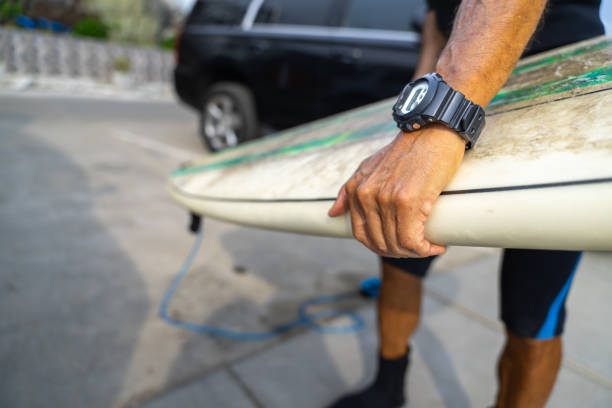
Go for a leash that’s roughly the same length as your board, maybe a touch longer for bigger, more powerful waves. A shortboard around 6ft needs a 6ft leash. If you’re charging overhead waves, adding 1-2 feet gives you more separation from your board during heavy wipeouts. Too long, and it becomes a tangly mess; too short, and it can snap or yank your board back at you. It’s about matching the leash to your wave energy and board size for a smooth, safe session.

As you start charging harder and trying airs, your board matters. You’ll likely want to move to a high-performance shortboard with more rocker for tighter turns and better control in the pocket. Think about a quad or thruster setup for speed and hold. A good pair of surf-specific fins can make a huge difference in responsiveness. And don’t forget the rubber—a grippy deck pad can give you the confidence for those critical snaps and landings. It’s about finding equipment that becomes an extension of your movement.

Surfboard Evolution

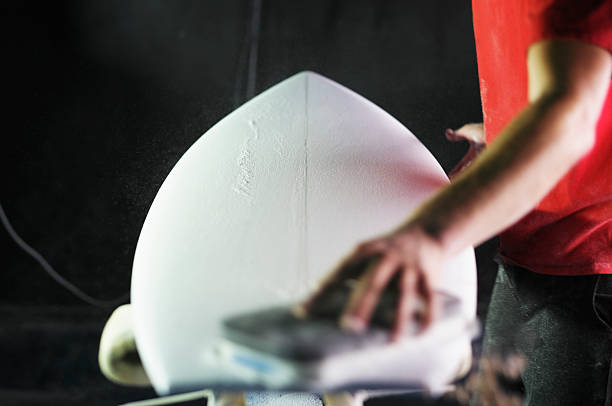
Hit up your local shaper or a good shop and have a chat! Tell them about the waves you usually surf and what you’re riding now. For most people, a mid-length (like a 7’0” egg) or a modern fish is the perfect gateway. They’re user-friendly and instantly rewarding. Don’t be afraid to demo or buy secondhand to get a feel. The goal is to add a new flavor to your surfing, not replace your daily driver. Just get one and feel the glide!

To progress, you gotta push your comfort zone in small steps. Pick one thing per session: tighter rail carves, generating speed in flat sections, or a new entry for a re-entry. Surf different boards; a fish can teach you flow. Watch better surfers in the water. Don’t fear the wipeout—it means you’re trying. Remember, style is everything; make it look smooth, not forced.

It’s always firing somewhere, brah! The dry season (Dec-Apr) brings offshore winds and clean conditions to the Pacific coast, especially in the north. It’s the most consistent time for good waves. The wet season (May-Nov) brings bigger SW swells, turning spots like Pavones and Dominical into heavy, world-class dream machines. The Caribbean side, like at Salsa Brava, goes off during the northern winter. Basically, you can chase barrels here 365 days a year—just pick your coast and your preferred wave size.