Wind and Waves: Offshore vs. Onshore
Live Surf Cams

Surfline Live is a 24/7 glimpse into the world’s surf.

This stream moves through Surfline’s global camera network, showing spots where it’s daylight and rated Fair or better.

What’s The Deal With…?

Surf Lingo & Slang

A sideshore wind blows parallel to the shoreline. It’s a mixed bag. It can cause the waves to line up a bit unevenly and might make you drift down the beach while paddling (a “drift session”). But it can also help shape certain waves, creating a good wall for carving. It’s not as good as offshore, but it’s usually way better than a straight onshore blow.

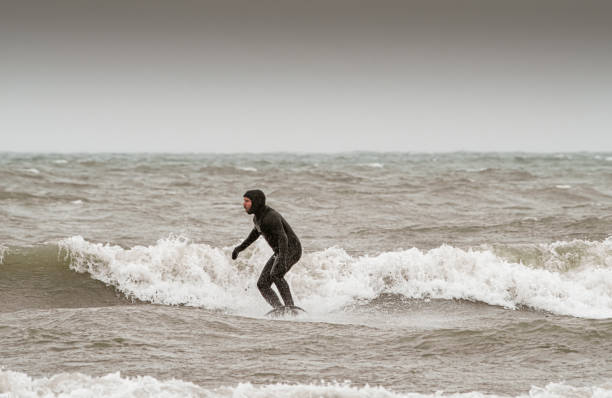
Onshore wind blows from the ocean onto the land, and it’s often a wave killer. It chops up the face, makes things messy and bumpy, and can turn clean lines into a mushy, crumbly mess. It’s harder to paddle out through, and the waves lack power and shape. While it’s not always terrible for beginners on soft-tops, most surfers groan when the wind switches onshore.

First, check the leaves, flags, or smoke on land to see which way they’re blowing. The key is the direction from the wind. Face the ocean: if the wind hits your back, it’s offshore. If it blows in your face, it’s onshore. A wind hitting your side is cross-shore, which can be okay depending on the angle. Local knowledge and surf forecasts are your best friends here.

Surf Lingo & Slang

Wind is one piece of the puzzle, bro. You need to consider it with the tide and swell direction. A low tide with offshore wind can make a wave barreling but shallow, while a high tide might make it softer. A big swell with strong offshore can be epic, but that same wind on a small swell might just blow it flat. It’s the magic combo of all three elements that creates perfection.

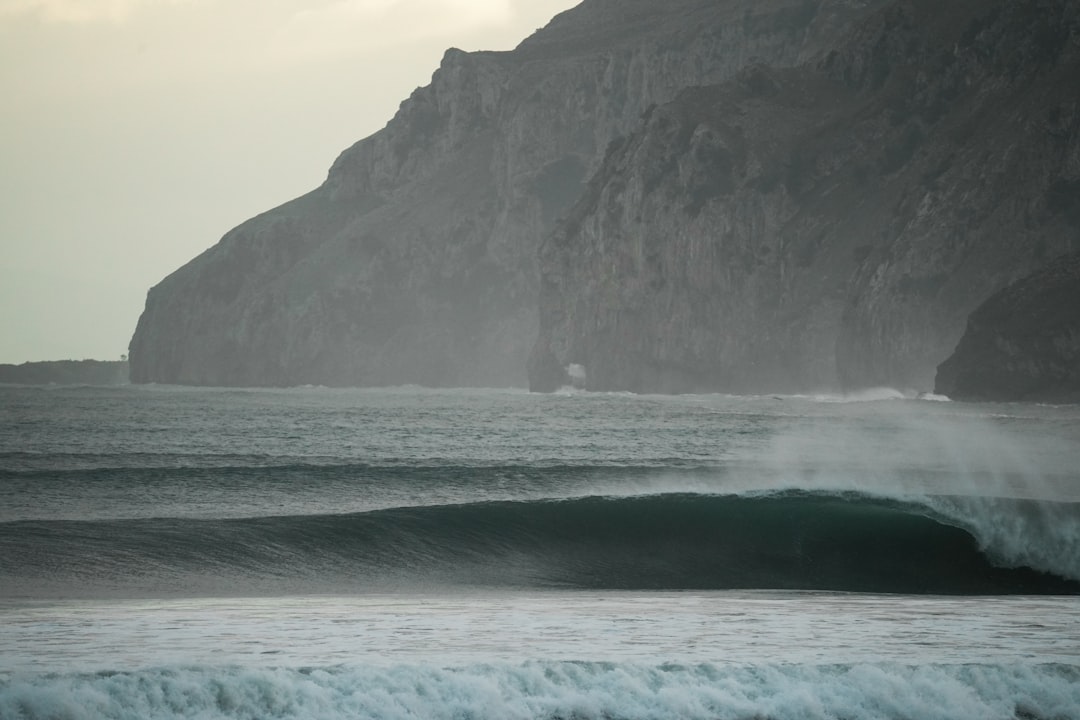
Offshore wind blows from the land out to sea, grooming the waves perfectly. It holds the lip of the wave up, creating those clean, hollow, and well-defined lines we all dream of. This smoothing effect makes for better, more predictable rides and is the gold standard for most surfing conditions. When you see palm trees bending toward the ocean, it’s a sure sign you’re in for a good session.

This is often due to the sea breeze effect. In the morning, the land is cooler than the ocean, often creating calm or light offshore conditions. As the sun heats the land, the warm air rises and cooler air from over the ocean rushes in to replace it—creating an onshore sea breeze by midday. That’s why dawn patrol often has the cleanest waves!