Wave Types Explained: From Mushy to Epic
Live Surf Cams

Surfline Live is a 24/7 glimpse into the world’s surf.

This stream moves through Surfline’s global camera network, showing spots where it’s daylight and rated Fair or better.

What’s The Deal With…?

Mastering the Waves

A closeout is when a wave breaks all at once along its entire length, instead of peeling left or right. It’s like a giant, crashing wall of whitewater with no open face to ride. You get no real ride, just a brutal pounding. They’re energy drains and can be dangerous in bigger surf. Spot them by looking for a wave line that’s crumbling evenly with no shoulder. Paddling for a closeout is a classic rookie move—better to let it pass and wait for one with a defined line.

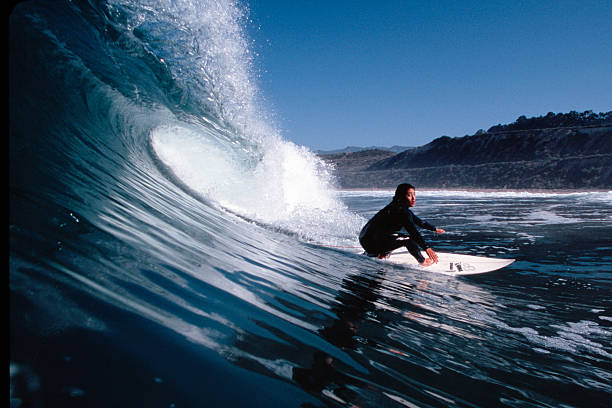
Onshore winds blow from the ocean toward the land. They chop up the wave face, make it mushy, and can cause it to close out. It’s generally junk conditions. Offshore winds blow from the land out to sea. They hold the wave face up, smooth it out, and help create hollow barrels by pushing against the lip. A light offshore is the surfer’s best friend—it makes waves cleaner, sharper, and more powerful. Always check the wind direction before you paddle out!

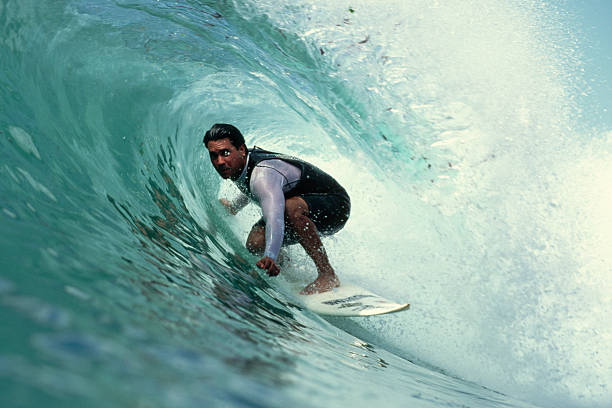
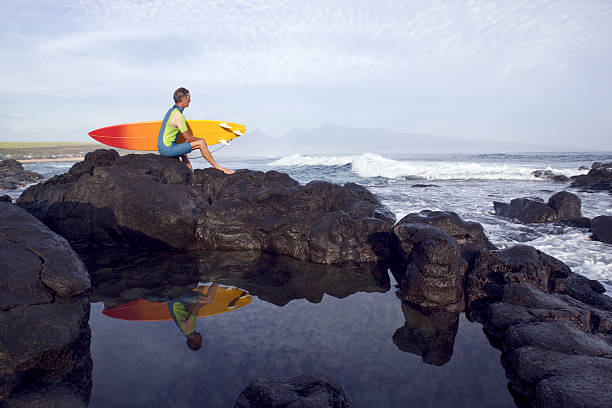
Reef breaks form over a coral or rock seabed, creating consistent, shaped waves that often barrel. They’re known for their precision and power. However, you gotta respect the razor-shop below! Know the tide—some reefs only work at certain levels. Always scout at low tide to see the hazards. Commitment is key; falling can mean a nasty scrape or worse. But the reward is often a perfect, hollow wave that fires like clockwork. Respect the locals and the reef itself.

Mastering the Waves

A point break is a wave that breaks along a rocky point or headland, often peeling perfectly in one direction for a long, long ride. Think Malibu or Jeffreys Bay. The swell wraps around the point, creating a smooth, lined-up wall. They’re the ultimate for logging turns and getting into a rhythm. Crowds can be heavy because the wave is so predictable and quality. Paddling out usually means a long trek around the point. Pure, classic surfing rhythm on a point is pure magic.

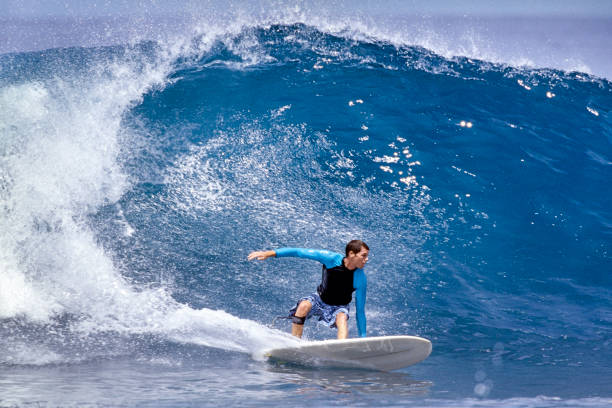
An A-frame is a peak where the wave breaks both left and right from a central point, forming a perfect triangle shape. It’s like Mother Nature offering you a choice: go frontside or backside. They’re common at beach breaks and are a dream for two friends surfing together, allowing split peaks. They provide a steep, powerful takeoff and a clean wall on either side. Spotting a clean A-frame in a shifting lineup is a golden moment—it promises a proper ride no matter which way you go.

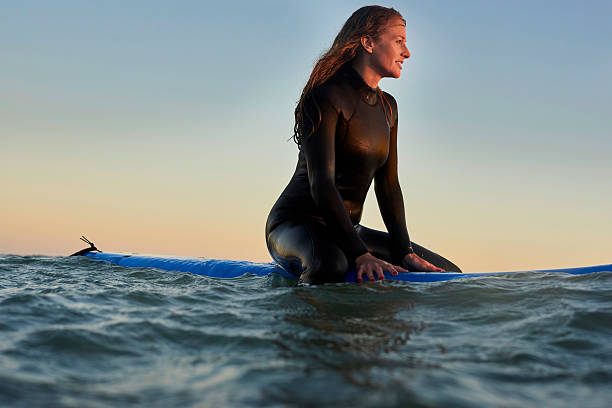
Mushy waves lack power and steepness. They break slowly and crumble weakly, often due to a deep, sandy bottom or an onshore wind. They’re perfect for beginners or longboarders because they’re forgiving and offer a longer, more mellow ride for practicing turns. You won’t get barreled, but you can work on style and flow. Think of them as the gentle, rolling hills of the surfing world—not thrilling, but super fun for cruising and perfecting your cross-stepping.