
The Ultimate Surf Event Calendar: Your Ticket to the Planet’s Best Waves

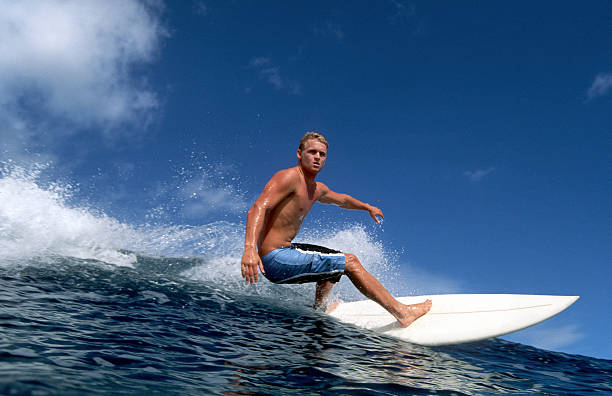
Forget checking the surf report for your local break and calling it a day. If you live for the feeling of saltwater on your skin and the stoke of a perfect ride, your world view needs to be bigger. Much bigger. It’s not just about the next swell; it’s about the next season. That’s where a solid surf event calendar comes in—it’s your global roadmap, the key to chasing perfection from pipeline to point break, all year round.

Think of it like this: while you’re bundled up watching winter rain gutter your local spot, someone is getting shacked at the Billabong Pro Pipeline. When the summer doldrums flatten your home coast, the J-Bay Open is firing down that legendary right-hand wall in South Africa. A true surf event calendar isn’t just a list of contests; it’s a rhythm, a pulse that shows the heartbeat of surfing across the globe. It tells you where the energy is, where the best surfers are pushing limits, and most importantly, where the waves are absolutely cooking.

For the traveling surfer, this is pure gold. Planning a surfari? Aligning your trip with a major event is next-level strategy. Sure, you might deal with crowds at the contest site, but you’re also tapping into a festival. The vibe is electric. You’ll surf lesser-known breaks nearby with everyone’s attention focused on the main stage, catch legends free-surfing in the early morning, and soak in the full culture—the shaping bays, the gear demos, the stories. It’s a total immersion. Imagine scoring empty waves in France after the final horn of the Quiksilver Pro, or feeling the buzz in the water at Lower Trestles during the Surf Ranch Pro window. You’re not just a spectator; you’re in the ecosystem.

But it’s deeper than just travel hacks. Following the Championship Tour calendar is a masterclass in high-performance surfing. Watching how the world’s best adapt—from the heaving, ledging barrels of Teahupo’o to the mechanical perfection of the Surf Ranch—teaches you about wave theory, equipment choice, and pure guts. You see what a step-up gun is really for. You understand why a squash tail works at Supertubos. You hear the commentators break down technique in real time. It’s an education you can’t get anywhere else.

And let’s talk culture. The event calendar marks our history. Dates like the Eddie Aikau at Waimea Bay are circled not just for the potential of 30-foot faces, but for the legacy. These events are pilgrimages. They’re where new slang is born, where board design trends go public, and where the spirit of aloha, asri, and pure stoke is broadcast to the world. From the big-money CT to the grassroots vibes of a local longboard contest, each event adds a thread to the tapestry.

So, don’t just stare at the same horizon. Get dialed into the global rhythm. Bookmark that surf event calendar, follow the swells, and start dreaming. Whether you’re booking flights or just streaming the heat live from your couch, you’re connected to the endless search for the perfect wave. Because the next session is always happening somewhere. Your job is to know where.
Related Posts

Live Surf Cams

Surfline Live is a 24/7 glimpse into the world’s surf.

This stream moves through Surfline's global camera network, showing spots where it’s daylight and rated Fair or better.

What's The Deal With...?

Surf Icons & Heroes

How is Dora remembered in the surf world today?

As a complex icon. He’s revered not for contest wins, but for his mythical status as the ultimate rebel. You’ll see his silhouette on stickers and shirts, a symbol of anti-establishment cool. Modern filmmakers, artists, and writers constantly reference his legacy. While his controversial actions aren’t always condoned, his unwavering commitment to surfing as an art form is deeply respected. He remains the benchmark for individuality in a sport that often struggles between pure soul and big business.

What’s the best way to study his technique for improvement?

Watch his footage in slow-mo! Break it down. See how he sets up his bottom turn, where he looks, how he positions his body on takeoff. Notice he’s never rushed; everything is smooth and purposeful. Don’t just watch the airs—watch the waves he chooses and the lines he draws to get there. Then, go out and focus on one element at a time, like generating more speed off your top turn. It’s a slow build, but it pays off.

How did his style in the water influence surfing?

Da Cat’s style was the definition of cool. He made high-performance surfing look effortless, with lightning-fast footwork, timeless trim, and those iconic, cheater-five noserides that seemed to last forever. He approached a wave with a dancer’s grace and a strategist’s mind. This emphasis on fluid, aesthetic lines over brute force deeply shaped what we consider “good style” today. Many modern loggers and soul surfers still chase that elusive Dora-esque flow—smooth, silent, and supremely confident.

Surf Lingo & Slang

Does a ripper ever have a “kooky” moment?

Absolutely, dude! Even the pros have days. A bad wipeout, misjudging a section, or just plain old brain fade happens to everyone. The difference is, a ripper usually laughs it off, knows what they did wrong, and doesn’t make a habit of it. It’s about consistency. Having a kooky moment doesn’t make you a kook; it’s the repeated, unaware behavior that defines the label. We’re all human in the brine.

How do I deal with wipeouts and hold-downs?

Wipeouts are part of the deal, brah. The key is to stay calm and go with the turbulence. When you get rag-dolled, cover your head with your arms and wait for the spin cycle to lose power. Don’t fight to the surface immediately; the ocean always wins. As the whitewater eases, swim up. Your board’s leash will bring it back to you. Practicing breath-holds in a pool builds confidence. Remember, every pro has eaten it more times than you’ve caught waves.

What’s a sideshore wind and does it work?

A sideshore wind blows parallel to the shoreline. It’s a mixed bag. It can cause the waves to line up a bit unevenly and might make you drift down the beach while paddling (a “drift session”). But it can also help shape certain waves, creating a good wall for carving. It’s not as good as offshore, but it’s usually way better than a straight onshore blow.