The Longboard Era

Live Surf Cams

Surfline Live is a 24/7 glimpse into the world’s surf.

This stream moves through Surfline’s global camera network, showing spots where it’s daylight and rated Fair or better.

What’s The Deal With…?

Surfboard Evolution

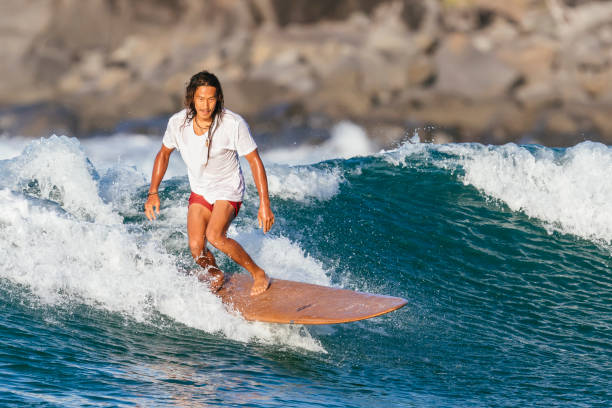
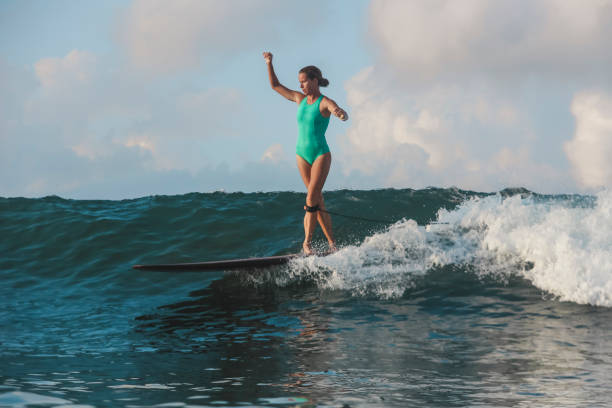
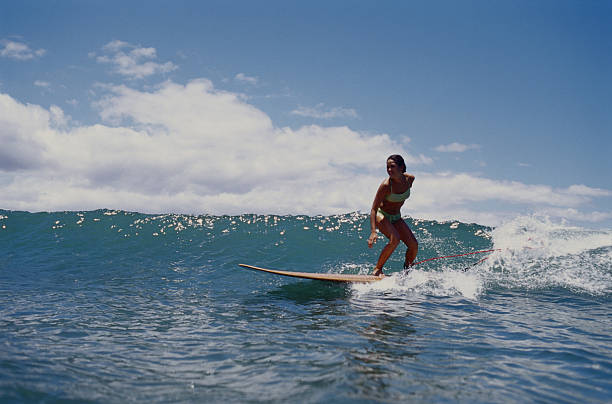
Back then, it was the only tool in the shed! Today, logging is a conscious choice—a return to soulful, trim-based surfing amidst a sea of shortboards and high-performance gear. Modern “logs” often use updated materials (lighter foam, epoxy) but keep the classic outlines and single fin for that authentic glide. The modern longboard revival is all about appreciating the roots, the style, and the pure joy of walking the board. It’s a respectful nod to the old ways with new-school construction.

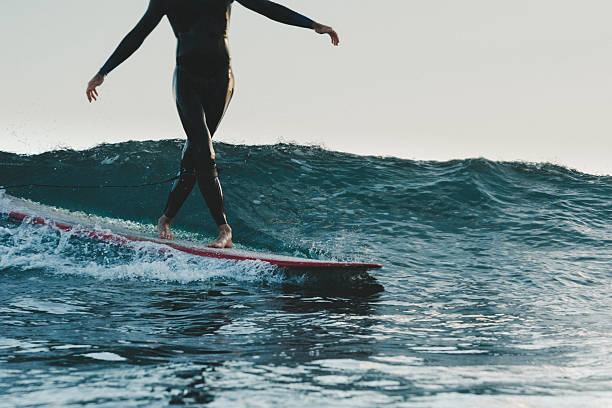
Totally, dude! The spirit is alive and well. Head to any classic pointbreak—like Malibu, San Onofre, or Waikiki—and you’ll find crews riding traditional logs with that same graceful style. The ethos of trim, nose rides, and soulful expression never died. It’s a living history lesson on water. Embracing that slower, smoother approach is a timeless joy. It connects you directly to the roots of our sport. So grab a log, practice your cross-stepping, and feel the glide!

It created the mainstream surf lifestyle, brah! The longboard was the centerpiece—easy to learn on, perfect for cruising beachbreak waves, and it fueled the whole beach party scene. It spawned the surf music of Dick Dale and The Beach Boys, the early surf films by Bruce Brown, and that iconic, relaxed California cool. Surfing exploded from a niche pursuit to a global phenomenon because of these accessible logs. The dream of chasing sun and swell was born in this era.

Surfboard Evolution

The scene was ruled by style masters. Think of Miki Dora, the “Black Knight,“ with his pure, irreverent style at First Point Malibu. Then you had Phil Edwards, the first pro surfer, and the graceful David Nuuhiwa. On the nose, nobody touched Robert August and Mike Hynson, whose global search in The Endless Summer captured the dream. These guys weren’t just surfers; they were the original soul archivers, defining cool with every drop-knee turn and tip-time stroll. They were the rockstars of the beach.

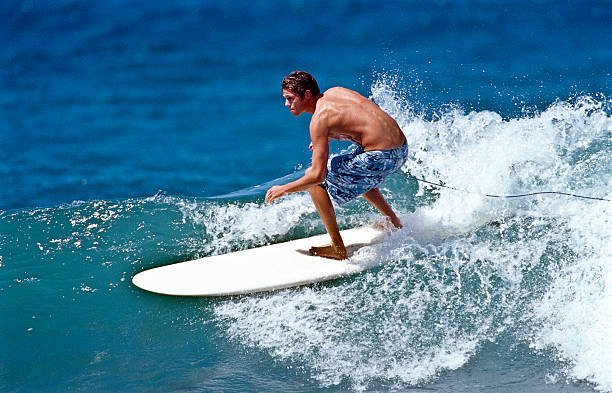
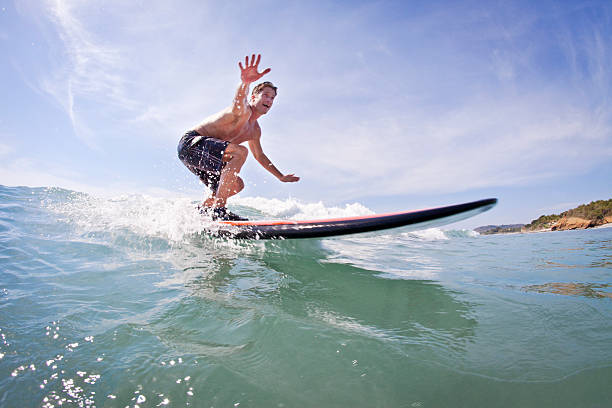
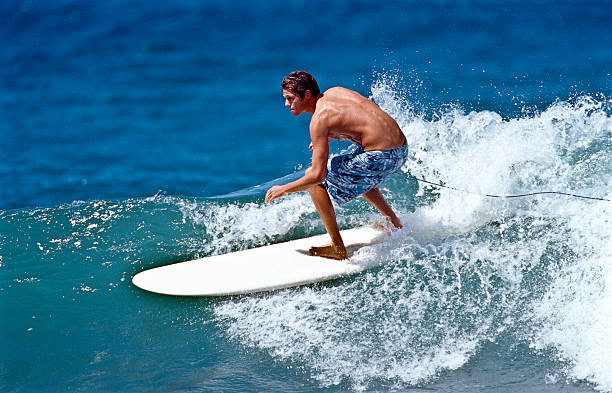
Simple: foam and technology, dude! They were made from polyurethane foam blanks wrapped in fiberglass and resin—a huge leap from the ancient, heavy wooden planks. The length and volume gave them stability and paddle power, which was key because wave knowledge and forecasting were primitive. You needed a boat to catch anything! These logs were the original wave-catchers, letting surfers glide with a smooth, flowing style that defined the era’s aesthetic. They were the ultimate vehicles for cruising.

The shortboard revolution, man! Around 1967-70, shapers like Bob McTavish and George Greenough started chopping feet off the nose and tail, creating shorter, lighter, more maneuverable “v-bottom” boards. Surfers like Nat Young showed you could attack the wave with radical turns instead of just trimming. This new equipment unlocked a whole new, aggressive approach. Almost overnight, the log seemed obsolete as everyone wanted to “shortboard” and rip. Performance took a massive leap forward, changing everything.