Let’s cut to the chase. The art of surfing isn’t something you find in a museum; it’s written in saltwater and felt in your bones. It’s the silent conversation between you, your board, and a moving wall of ocean. Forget the glossy magazine shots for a second. This is about the real deal—the daily grind, the stoke, the occasional beating, and the pursuit of that perfect feeling. It’s the core of the surfing life.
At its heart, surfing is deceptively simple. Paddle out, catch a wave, stand up, ride it in. But anyone who’s ever tried knows that’s like saying music is just blowing air through a tube. The true art begins with reading the ocean. You’re not just looking for waves; you’re studying the lineup, watching the sets roll in, checking the lulls, and identifying the peak. You’re learning the language of the sea—how the wind, tide, and swell direction are all talking to each other. This is Ocean Literacy 101, and there’s no final exam, just a lifetime of pop quizzes.
Then comes the paddle out. This is where you earn your turns. It’s a grind, a battle against the whitewater, a duck dive under a set that wants to send you back to the beach. There’s no art in being a kook who gives up after three waves on the head. The art is in persistence, in finding that rhythm where your arms become pistons and you slip through the impact zone like you belong there.
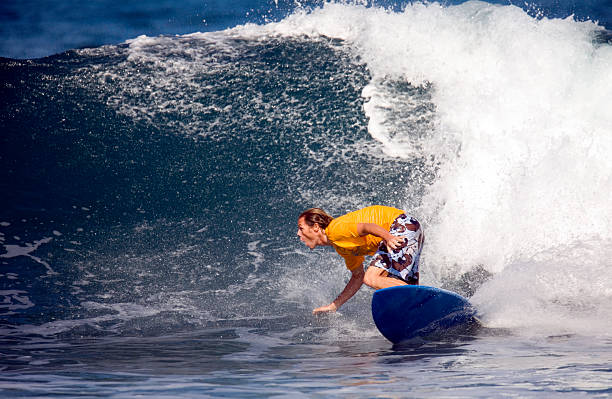
The takeoff is the moment of truth. It’s not a frantic jump to your feet. It’s a committed drop into a moving slope, a physics problem you solve with instinct. You pop up in one fluid motion—back foot finding the tail, front foot steering the ship. Hesitate, and you’re eating foam. Commit, and you’re in. From there, the canvas is the wave face. A bottom turn isn’t just a change of direction; it’s loading the spring. It’s setting your rail and compressing your body to generate speed for what comes next. A cutback isn’t just a fancy turn; it’s a way to reconnect with the power source of the wave, to stall and reposition, to draw a big, sweeping arc back toward the pocket. This is where style is born. Not from forced maneuvers, but from efficiency and flow. It’s the difference between hacking at a wave and dancing with it.
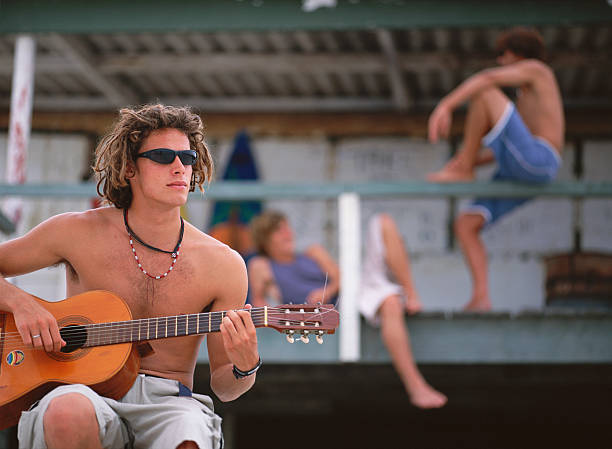
But let’s be real. The art of surfing isn’t confined to those few seconds of glide. It’s the whole lifestyle, the endless summer chase. It’s the dawn patrol mission, waking up while the world sleeps to score empty waves with your crew. It’s the feeling of salt in your hair for days on end. It’s knowing the difference between a thruster and a twinny, and why you’d ride one over the other. It’s the road trips, the scored swells, the flat spells spent waxing your stick or just shooting the breeze in the parking lot.
It’s about respect. For the locals, for the hierarchy in the water, for the power of the ocean that can humble you in a heartbeat. It’s about the shared nod with a stranger after a good wave, a silent understanding that you both just tapped into something pure.
So the art of surfing? It’s not about being the best. It’s about the pursuit. It’s the constant learning, the connection to nature, and the simple, profound joy of harnessing a bit of moving energy for a ride back to shore. It’s a lifelong practice, and the only masterpiece is the feeling you take with you when you finally kick out and paddle back for more. That’s the art. That’s the life. Now go get wet.