Surf Wax: For Maximum Grip

Live Surf Cams

Surfline Live is a 24/7 glimpse into the world’s surf.

This stream moves through Surfline’s global camera network, showing spots where it’s daylight and rated Fair or better.

What’s The Deal With…?

Surf Gear Essentials

You can, but you shouldn’t. It’s like wearing a winter wetsuit in Bali—you’ll be uncomfortable and it won’t work right. All-temp wax is a compromise; it’s okay for travel if you’re hitting mixed conditions, but it’s never ideal. For the best grip, use wax specific to your session. Throwing the right wax in your travel bag takes no space and makes a huge difference in your connection to the board. Dial it in, brah.

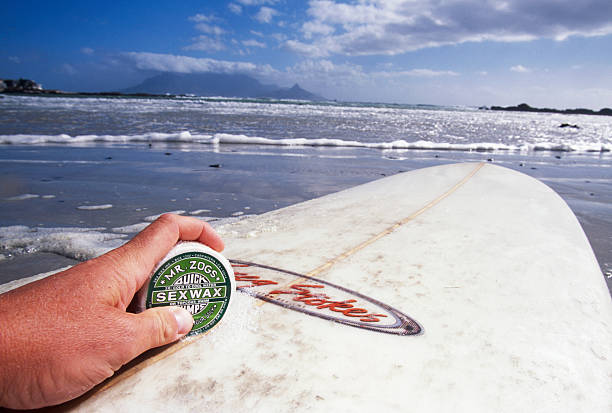
It’s all about matching the wax to the water temp. Cold wax is hard for icy waves, tropical wax is soft for warm water. Using the wrong one is a nightmare—it either turns to slime or stays rock hard, and you’ll be slipping off your board. Check the water temp before you wax up. A good basecoat of base wax first helps any top coat stick better, giving you that solid foundation for maximum grip in your specific session.

You’re likely using wax that’s too soft for the water temp. In tropical heat, even warm-water wax can turn to mush. Always shade your board from direct sun when you’re not riding. If you’re in seriously hot destinations, consider a wax cooler bag or a tropical/hard combo. A solid basecoat helps, but sometimes you just gotta re-apply more often. It’s a small price to pay for firing waves in warm water.

Surf Gear Essentials

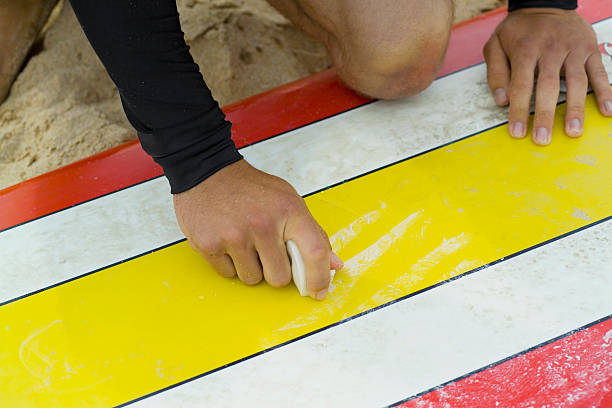
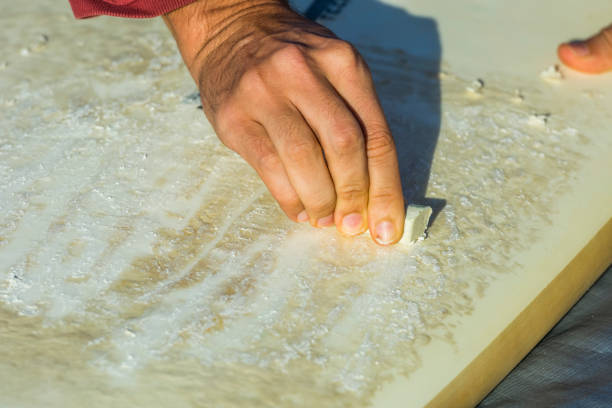
Start clean with a basecoat on a dry deck. Use circular motions to create a solid, bumpy texture—this isn’t a polishing job! For the top coat, use smaller, quicker circles or side-to-side strokes to build those grippy bumps. Don’t go too close to the rails. The goal is an even, textured layer you can really dig your toes into. Re-wax often, especially if your wax looks shiny or smooth. A fresh coat is the cheapest performance upgrade you can get.

No drama. Leave the board in the sun (or use a hairdryer) to soften the old wax. Then, use a wax comb or an old gift card to scrape the bulk off. For the sticky residue, use a dedicated wax remover or isopropyl alcohol and a rag. Never use harsh solvents that can damage the foam. A clean deck is the perfect start for a fresh, proper wax job. Do this when the wax gets too thick or dirty.

Totally! More brands are making plant-based, non-petroleum waxes that are better for the ocean. They work just as well as the classic stuff. These eco-waxes are derived from things like tree resin and natural oils. They biodegrade faster and are less toxic to marine life. Your grip doesn’t have to cost the earth. Next time you need a new bar, check out the green options. The lineup and the planet will thank you.