Surf Break Types: Beach, Point, Reef
Live Surf Cams

Surfline Live is a 24/7 glimpse into the world’s surf.

This stream moves through Surfline’s global camera network, showing spots where it’s daylight and rated Fair or better.

What’s The Deal With…?

Surf Lingo & Slang

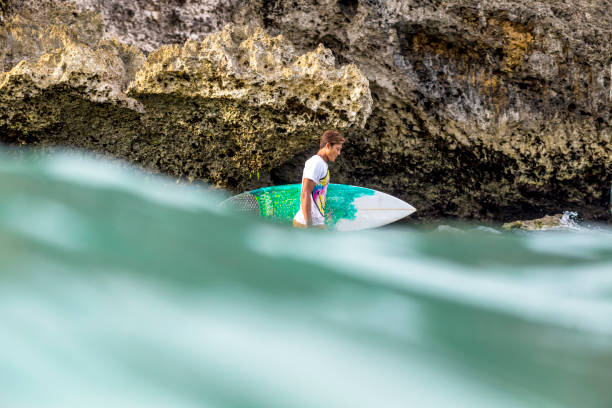
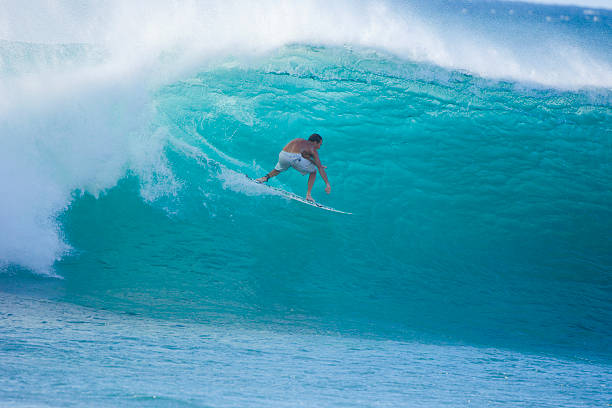
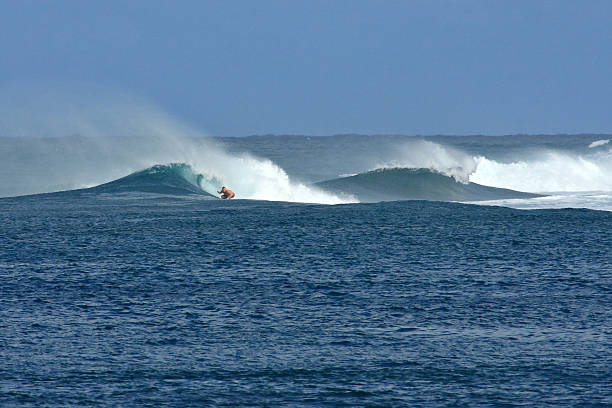
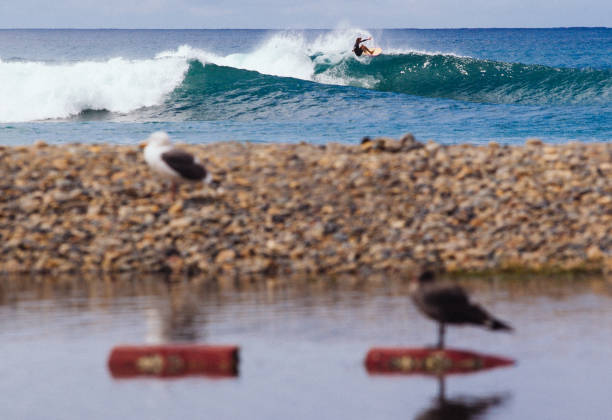
Reef breaks are no joke, brah. They break over a coral or rock bottom, which makes them super consistent and often hollow, creating those epic barrels you dream about. But that same reef is what makes ’em gnarly. A wipeout can mean a close encounter with the razor-sharp lineup below. They demand precise positioning, confident duck diving, and respect. You gotta know what you’re doing out there. Spots like Pipeline or Teahupo’o are the ultimate test, offering insane power and consequence.

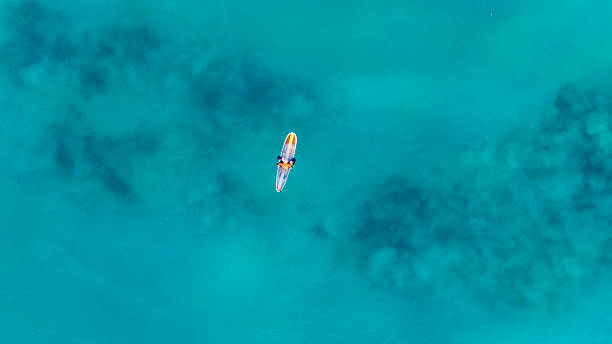
First, do your homework. Check the charts, watch the swell direction, and get the local lowdown if you can. From the cliff, look for a consistent breaking pattern and watch where the crew is sitting. Check the water color—dark patches can mean deeper channels, lighter patches mean the reef is shallow. Most importantly, take your time. Paddle out and just watch for a set. Don’t just charge in. You need to figure out the take-off spot, the rip, and the safe exit channel before you even think about dropping in.

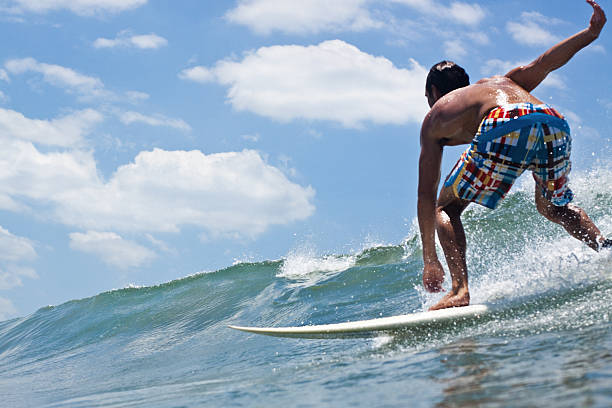
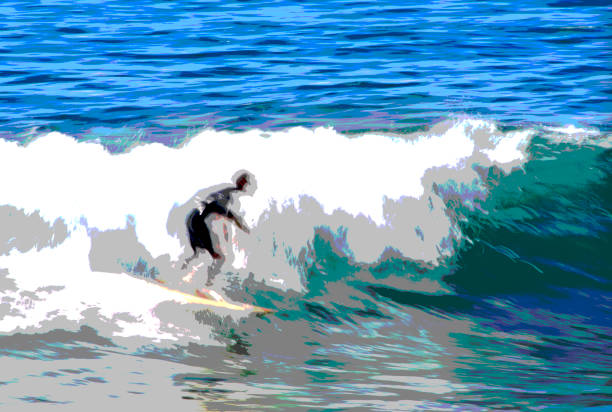
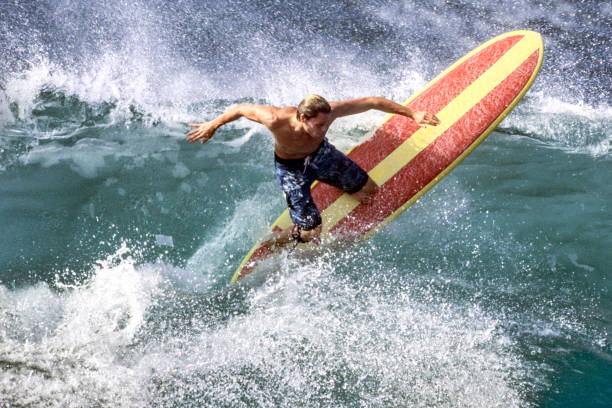
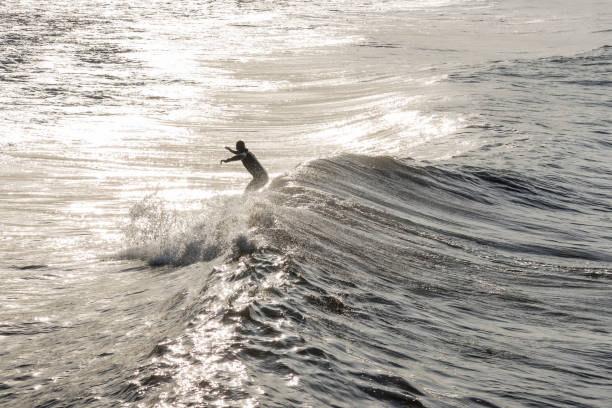
Beach breaks are all about shifting sandbars, giving you those peaky, often punchy waves that can close out or offer a fun, playful ride. They’re unpredictable but great for learning. Point breaks are the holy grail for long rides. They wrap along a rocky point or headland, creating a longer, more predictable wall to cruise down. Think Malibu or Jeffreys Bay. Less paddling, more surfing. Beachies are fun and accessible; points are for when you want to get your groove on and really practice your turns.

Surf Lingo & Slang

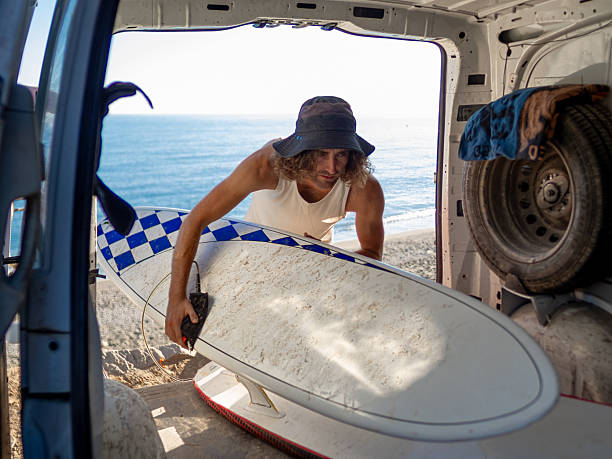
For a punchy, hollow reef, you often want more board under you—a step-up or good-wave shortboard with extra paddle power and hold to get in early and handle the speed. For a softer, crumbly beach break, you can go with a more forgiving, wider, and maybe slightly thicker board to help generate speed in weaker sections. It’s about matching the tool to the wave’s power. Always error on the side of caution at a reef; you want confidence paddling into those set waves.

For sure! When a strong swell hits a steep, shallow sandbar just right, a beachie can fire like a heavy reef. You get those fast, hollow sections that can even spit. The catch? It’s temporary. Sandbars are always moving with storms and currents, so a world-class barrel one week might be a closeout the next. That’s the magic and frustration of beach breaks—they’re always changing. But when they line up, there’s nothing more fun than a hollow shorebreak right in front of the carpark.

Tide is everything at a point, man. Some points only really turn on at a specific tide—maybe a low tide makes it too shallow and sucky, while a high tide might make it fat and sluggish. A perfect medium tide can make the wave line up perfectly, offering those dreamy, mechanical sections. It’s less about the tide creating the wave (the swell wraps around the point regardless) and more about shaping it. You gotta study your local spot or ask the crew to dial in the best window.