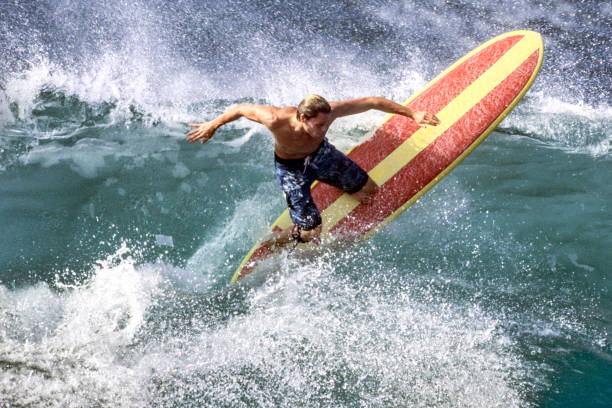
Surf Actions: From Duck Dive to Air
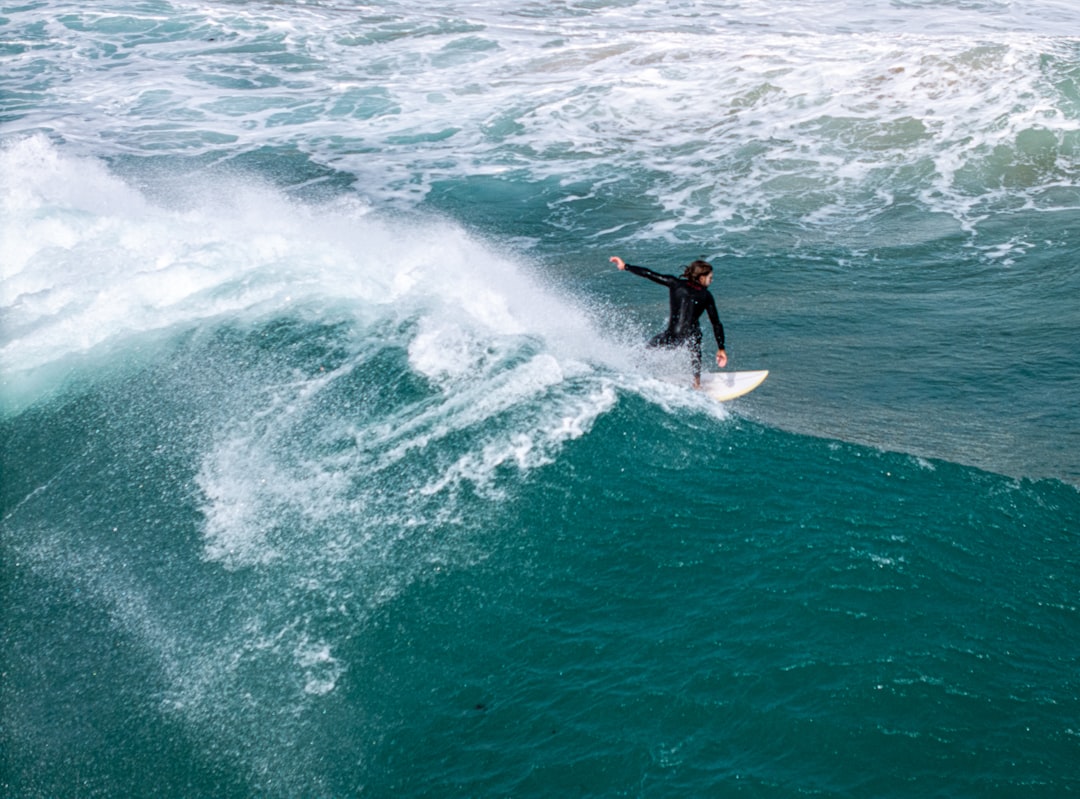
Live Surf Cams

Surfline Live is a 24/7 glimpse into the world’s surf.

This stream moves through Surfline’s global camera network, showing spots where it’s daylight and rated Fair or better.

What’s The Deal With…?

Surf Lingo & Slang

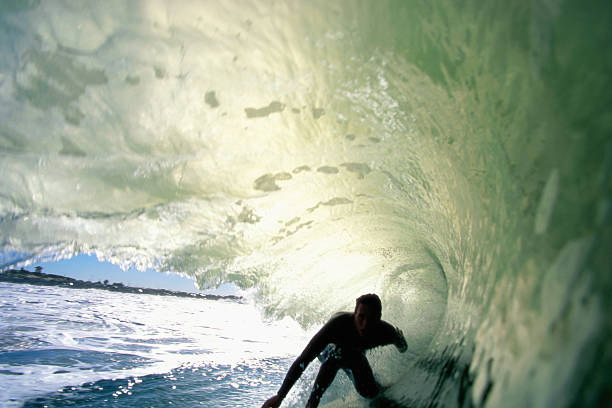
Getting shacked is the dream, right? It starts with positioning. Take off at an angle, not straight down. Immediately after your drop, set a high line under the lip as it starts to throw. Get your speed matched with the wave, then get low and compact. Stay centered on your board and look down the tube—where you look is where you’ll go. It’s a delicate balance of speed, trim, and commitment. Sometimes you just have to stall a touch and let the curtain wrap around you. Pure magic when it happens.

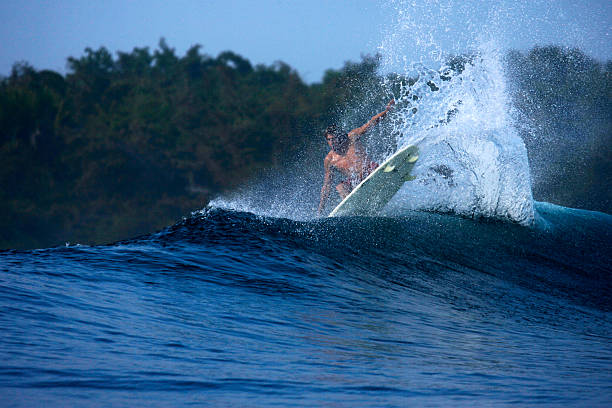
Both are top-turn maneuvers, but for different situations. A floater is for when the wave is throwing out a bit but not fully barreling. You ride up and over the crumbling lip, “floating” on the foam before dropping back down. A re-entry is more aggressive. You attack a pitching lip head-on, smacking the top of the wave with a sharp turn and driving back down the face. It’s a powerful, carving move. The floater is about finesse and timing; the re-entry is about power and aggression on a steep section.

As you start charging harder and trying airs, your board matters. You’ll likely want to move to a high-performance shortboard with more rocker for tighter turns and better control in the pocket. Think about a quad or thruster setup for speed and hold. A good pair of surf-specific fins can make a huge difference in responsiveness. And don’t forget the rubber—a grippy deck pad can give you the confidence for those critical snaps and landings. It’s about finding equipment that becomes an extension of your movement.

Surf Lingo & Slang

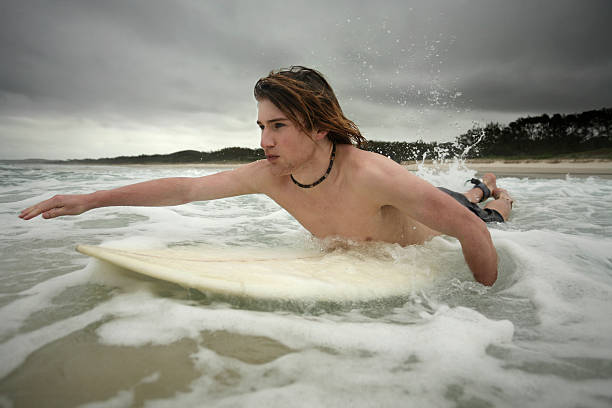
Before you even think about dropping in, you gotta conquer the duck dive. It’s your passport through the washing machine. As the whitewater comes, push the nose of your board down deep with your foot and your body, using your knee on the tail. You’re essentially making your board submerge under the wave, not through it. Get this dialed on your shortboard and you’ll save heaps of energy paddling out, leaving you fresh for the set waves. It’s all about smooth, committed pressure.

The pop-up is that make-or-break millisecond. A clunky one kills your momentum. It’s one fluid motion from paddling to standing. Practice on the beach: from your belly, push up in one swift move and land with your feet under you, knees bent. No “knee crawling”! The smoother your pop-up, the more stable you are for the drop and the faster you can set your line. Think explosive, like a push-up into a low stance. Muscle memory is everything here, so drill it until it’s automatic.

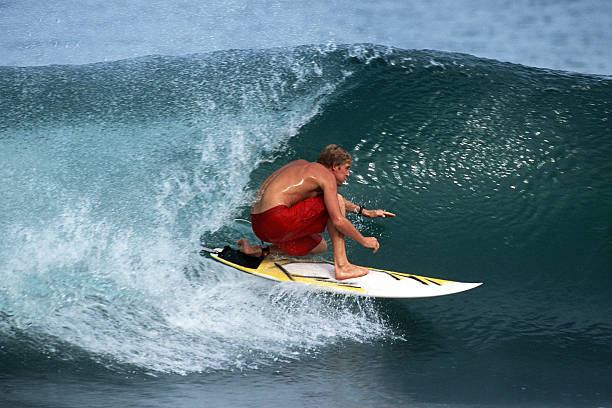
It starts with that bottom turn, brah. Don’t just go straight! After your drop, lean on your back foot and rail to carve a hard turn off the bottom of the wave, setting your line. This generates speed and sets you up for everything else. Think of it as loading a spring. A weak bottom turn means a weak next move. Look where you want to go, compress, and project down the line. This is where you stop being a passenger and start being a pilot.