
Surf Accessories: The Essential Extras You Can’t Surf Without

Alright, so you’ve got your stick. You’ve got your wettie. You’re ready to paddle out, right? Not so fast, brah. While the board is the star of the show, it’s the supporting cast of surf accessories that can make the difference between an epic session and a total kook-out. These aren’t just fancy add-ons; they’re the tools that keep you safe, warm, and shredding longer. Think of them as the duct tape and WD-40 of your surfing life—unsexy but utterly essential.

First up, let’s talk traction. Your bare feet on a waxed deck is classic, but when you’re throwing buckets in critical sections or charging overhead bombs, you need a solid connection. That’s where a good traction pad comes in. It’s not just a kicker for your back foot; it gives you that locked-in feel for powerful turns and hacks. And for the front foot? A simple deck grip or wax is your go-to. But don’t just grab any old paraffin. Match your wax to the water temp—cold, cool, warm, tropical. A sticky deck means no slipping, and that means more confidence to send it.

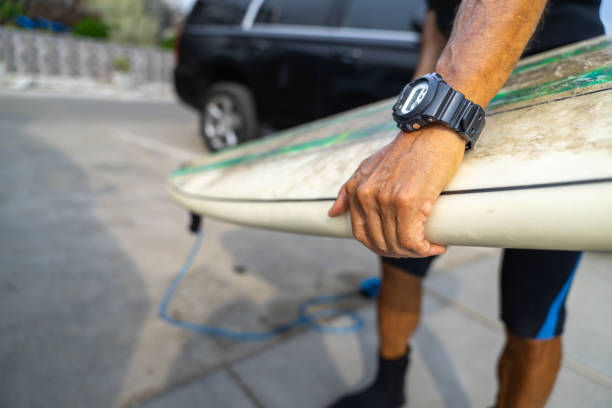
Now, the leash. This humble cord is your lifeline. A snapped leash means a long, embarrassing swim and a potential torpedo for anyone in the lineup. Don’t cheap out. Get one that matches your board length and the power of the surf you’re tackling. A coiled leash is great for shortboards, keeping things tidy, while a straight leash offers less drag for bigger days. And always, always check the velcro and the string where it ties to the tail plug. A quick pre-surf check is a ritual that saves sessions.

You can’t talk essentials without the wetsuit. But the suit itself is just part of the equation. Surf earplugs are a game-changer, especially in cold water. They fend off the dreaded surfer’s ear (exostosis) and keep that icy brain freeze at bay. Pair them with a solid hood when the mercury drops, and you’ll be out long after the fair-weather crew has bailed to the parking lot. And for under that suit? A rash guard isn’t just for groms or sun protection. It stops the chafe, adds a thin layer of warmth, and makes peeling off a salty, sandy wetsuit way easier.

Post-surf, the right gear keeps the stoke alive and your equipment in shape. A board bag, whether a sock for quick protection or a padded travel bag for chasing swells, is non-negotiable. It protects your investment from dings, sun, and roof rack rash. And speaking of dings, a basic ding repair kit—some Solarez resin, sandpaper, and a plastic spreader—lets you fix minor dings fast and get back in the water. Letting a ding soak turns a quick fix into a major, expensive headache.

Finally, the everyday carry-alls: the gear bag. This isn’t your gym bag. It’s a bottomless pit that holds your wax, spare leash, fin key, sunscreen, zinc, a towel, and maybe a post-surf snack. It’s your mobile basecamp. And for getting there? Roof racks and board straps you can trust. There’s no sound worse than the woosh of your board leaving your roof on the freeway.

So yeah, the board gets all the glory. But the real surfers know that the magic is in the details. These accessories aren’t about looking pro; they’re about being practical. They extend your sessions, protect your body and your board, and ultimately, let you focus on the only thing that really matters: catching waves and living the endless summer. Now go check your leash and get out there.
Related Posts

Live Surf Cams

Surfline Live is a 24/7 glimpse into the world’s surf.

This stream moves through Surfline's global camera network, showing spots where it’s daylight and rated Fair or better.

What's The Deal With...?

Surf Icons & Heroes

What are some of the wildest stories about Miki Dora?

The legends are endless: skipping out on hotel bills globally, forging checks, “borrowing” cars for epic surf checks, and legendary pranks. He was a master of the discreet exit, often leaving a trail of bemused creditors. One classic tale involves him allegedly dropping in on a friend, only to have the friend’s board hit his. Dora sent a detailed invoice for the “damage.“ These stories cemented his outlaw persona, painting him as a clever, if controversial, trickster always playing his own game.

What was Andy Irons’ signature surfing style?

Andy’s style was all about explosive power and commitment. He attacked waves with a deep, carving bottom turn that launched him into massive, critical maneuvers. His backhand reentry was a trademark weapon—a vicious, tail-throwing blast of spray. He combined progressive aerial tricks with classic, powerful rail surfing, making him a complete threat in any conditions, from Pipeline to Trestles.

Where are the key places associated with Duke’s surfing life?

Waikiki Beach is ground zero—this was Duke’s home break where he learned and honed his craft. In California, check out Huntington Beach (he demo’d there) and Corona del Mar. Across the pond, Freshwater Beach in Sydney, Australia, is hallowed ground—that’s where he gave the first Aussie demo in 1915. Visiting these spots is a pilgrimage. Paddling out at Waikiki, especially, you can feel the history in the warm water and gentle rollers, imagining Duke sharing those same waves.

Surf Lifestyle & Travel

How do I pick the right board for different US coasts?

East Coast waves are often weaker and mushier, so you’ll want more foam—think funboards or high-volume shortboards to catch everything. West Coast power demands performance: go for a good shortboard for punchy beach breaks or a step-up for bigger, hollow days. For Hawaii’s heavy reefs, you need a board with serious hold—a gun or a dedicated big-wave sled. Always consider your local break; a quiver isn’t a brag, it’s just smart surfing to match your stick to the conditions.

How does the ’pura vida’ lifestyle connect to surfing?

Pura vida isn’t just a saying; it’s the whole rhythm. It means slowing down, appreciating the moment, and respecting the ocean and each other. Surfing here isn’t a frantic dash for waves; it’s about the sunrise session, the post-surf fruit smoothie, the howler monkeys in the trees, and sharing stories with new friends. It’s a reminder that surfing is about the whole experience—the connection to nature, the culture, and the simple joy of riding waves in a beautiful place.

How do I handle the local etiquette in the lineup?

Respect is key, mate. The vibe is generally mellow, but always observe before paddling out. Give a nod to the locals, don’t drop in, and wait your turn. Irish lineups can be tight-knit, so a friendly attitude goes a long way. Most importantly, respect the power of the ocean here—it’s no joke. If in doubt, ask someone for advice. You’ll often find they’re stoked to share beta on the break.