Forget the postcard-perfect, mass-produced surf experience you see in the ads. The real soul of surfing doesn’t live in the glossy mags or the big-budget edits; it thrives in the local surf scenes. These are the unique, unvarnished pockets of coast where the vibe is earned, not bought, and the lineup has a rhythm all its own. It’s the difference between a sterile, generic hotel and a weathered, beloved beach shack that smells of wax and salt. This is where surf culture gets real.
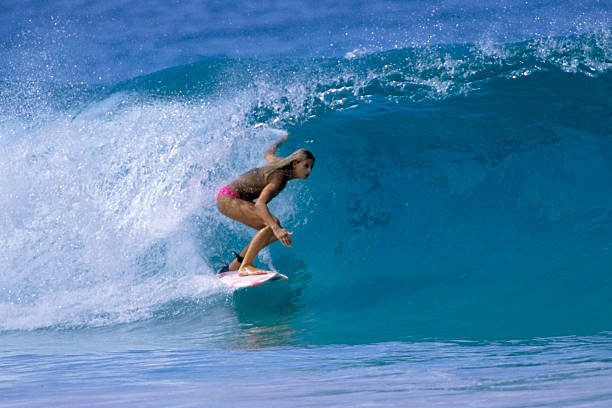
Every local break has its own fingerprint. It starts with the wave itself—the way the swell wraps around the headland, how the tide sucks over the reef, the peculiar wind that howls in by 11am. This raw geography births a specific style of surfing. A point break might cultivate long, soul-arching carves and a patient, queue-based lineup. A punchy beach break, on the other hand, breeds explosive take-offs, snappy turns, and a more chaotic, everyone-for-themselves scramble. The wave dictates the dance, and the locals have spent a lifetime learning the steps.
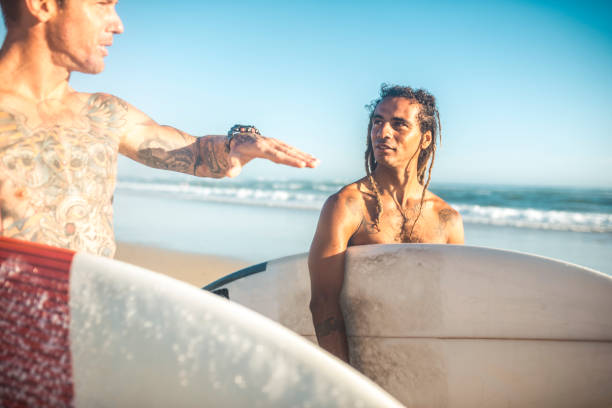
But the vibe goes way deeper than just the mechanics of the surf. It’s the cast of characters. There’s the old-timer on the single-fin who’s seen it all, dropping quiet knowledge between sets. The grommet crew, hooting each other into closeouts without a care. The dawn patrol crew, sharing silent, sleepy stoke as the sun cracks the horizon. This is the community, the tribe. It’s nods of recognition in the parking lot, sharing a wave, or the unspoken rule that you don’t snake your mate. In a world that’s increasingly disconnected, the local lineup remains a stubbornly analog, face-to-face community.
And you can’t talk about local scenes without talking about the spots themselves—the landmarks. It’s the specific tree you park under, the particular corner of the car park where the crew hangs post-session, tailgates down, brews cracked, re-living the best waves. It’s the local shaper’s dingy factory out back, where the magic happens under a single fluorescent light. It’s the greasy spoon cafe that fuels the dawn patrol with the world’s strongest coffee. These aren’t just places; they’re the clubhouses, the nerve centers. They’re where you hear about the secret spot, who’s selling a used board, or where the next swell is coming from.
Respecting this ecosystem is non-negotiable. Rolling into a local break and acting like you own the place is a surefire way to get the cold shoulder, or worse. It’s not about exclusion; it’s about etiquette. Paddle out with humility. Don’t drop in. Take your turn. A simple “hey” goes a long way. Show respect for the spot—pick up some trash, don’t blow up the secret spot on socials. Earn your stripes through respect, not entitlement. The vibe is a fragile thing, easily shattered by kooks with more ego than ocean sense.
In the end, chasing these local vibes is the true essence of the endless summer. It’s not just about finding empty waves; it’s about finding a place that feels real. It’s the joy of becoming a temporary regular, of understanding a break’s unique mood swings, of sharing a moment in the water with a new crew. So next time you’re scanning the map for waves, look beyond the star ratings and the swell forecasts. Seek out the character, the community, the whole package. Because the perfect wave means nothing without the perfect vibe to go with it. That’s where you’ll find the real soul of surfing.