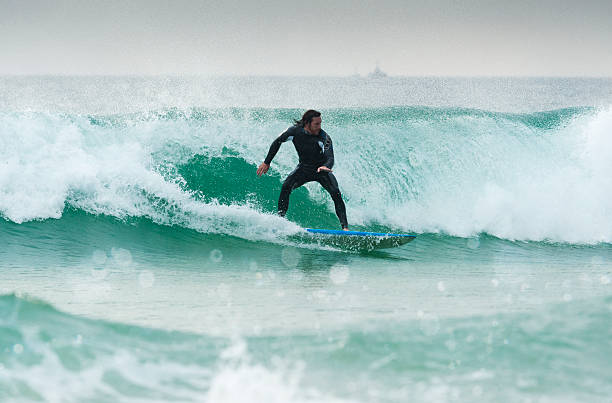
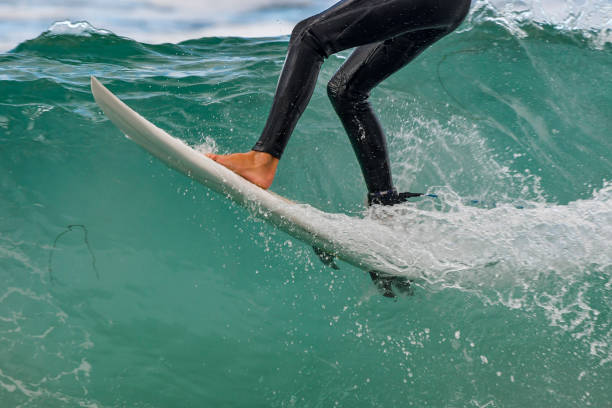
So you’ve scored a dawn patrol, waxed up your stick, and you’re staring out at the lineup. The question hangs in the salty air, as timeless as a twin-fin: is it pumping? Knowing the difference between a fun little dribbler and a proper, epic session about to go down isn’t just about bragging rights for the ‘gram. It’s the core skill of the surfer, the alchemy of reading wind, water, and pure stoke. It’s the feeling that gets you zipping up your wetsuit with frantic fingers. Here’s how to know the ocean is about to throw a proper party.
First things first, you gotta look with more than just your eyes. You’re scoping the vibe before you even feel the water. A “pumping” surf isn’t just big; it’s alive. The sets aren’t random mushers; they’re consistent, marching in like lines of marching soldiers with a military precision that makes your heart skip a beat. You’ll see a dark blue or even a deep green line build on the horizon, a lump that seems to draw energy from the deep. That’s the pulse. The time between these sets is key, too. If it’s too long, you’re in for a long paddle and a lot of waiting. If it’s too short, it’s a washing machine. But when it’s just right—say, a clean set every 10-15 minutes—you know the ocean’s engine is running smooth.
Now, let’s talk shape. This is where the magic lives. Pumping waves have that iconic, dreamy form. From the side, you’re looking for a steep, wedging take-off zone that quickly but cleanly throws out a lip over a hollow, pitching face. That’s the “green room” in the making. You want the wave to look like it’s standing up, not crumbling or fattening out. Watch a few peel down the line. Are they “sectioning,“ breaking all at once in a closeout? Or are they offering a racing, tapering wall that allows for a high-line drive or a deep tube? A pumping point break, for instance, will show you that endless, mechanical peel, each wave a carbon copy of perfection. A pumping beach break will have those A-frame peaks, left and right, spitting like mad.
The wind is the sculptor, and for pumping conditions, it needs to be either dead calm or coming gently offshore. An offshore breeze is the ultimate sign. It holds the wave face up, delays the break just a crucial half-second, and makes the lip feather and spit that iconic spray. You can see it from the beach—the tops of the waves are being gently combed back, creating that glassy, groomed, and sometimes slightly smoky look on the face. If it’s howling onshore, chopping the surface into a mess, the pump has officially been switched off, no matter how big the swell is. It’s about quality, not just size.
But knowledge isn’t just visual; it’s auditory and social, too. Listen. A pumping surf has a distinct sound—a deep, resonant BOOM as the lip pitches and connects with the flats, not a weak, sloshy crash. It’s the sound of power. And check the lineup itself. Are the surfers out there scrambling, frantic, getting caught inside and wearing sets on the head? Or is there a calm, focused order, each person getting their turn on bombs, with hoots echoing after a deep barrel? That collective energy in the water is a dead giveaway. When you see the best surfers in the area suddenly materialize, you know the grapevine has sung the pumping song.
In the end, knowing it’s pumping is a full-body sensation. It’s the butterflies in your stomach as you paddle out, the extra urgency in your duck dive as a set looms, and the way your board chatters under your feet as you drop down a face that feels steeper than your driveway. It’s that moment of weightlessness at the takeoff, followed by the roar of the world collapsing behind you as you make the drop. It’s the chase for the endless summer, condensed into a single, perfect session. So watch the horizon, feel the wind, listen to the roar, and watch the stoke in the lineup. When all those elements click, you won’t need to ask. You’ll just know. Now go get tubed.