Grommet Guide: For the Young Shredders
Live Surf Cams

Surfline Live is a 24/7 glimpse into the world’s surf.

This stream moves through Surfline’s global camera network, showing spots where it’s daylight and rated Fair or better.

What’s The Deal With…?

Surf Lingo & Slang

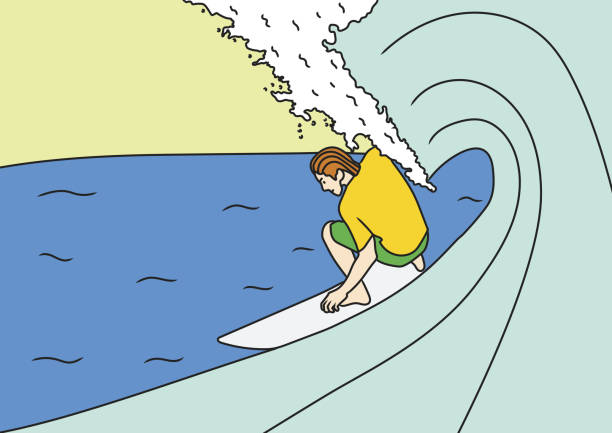
Wipeouts are part of the deal, brah. The key is to stay calm and go with the turbulence. When you get rag-dolled, cover your head with your arms and wait for the spin cycle to lose power. Don’t fight to the surface immediately; the ocean always wins. As the whitewater eases, swim up. Your board’s leash will bring it back to you. Practicing breath-holds in a pool builds confidence. Remember, every pro has eaten it more times than you’ve caught waves.

Paddling is the brutal, unglamorous gym session of surfing. Without a strong paddle game, you’re just a spectator. It gets you out back, through the impact zone, and puts you in position to catch waves before anyone else. Think of your arms as your engine. Better paddle fitness means more waves per session, less exhaustion, and more fun. Do pop-ups and push-ups at home to build that explosive power you need to get to your feet.

This is non-negotiable, grom. The lineup has rules for safety and respect. The surfer closest to the peak has right of way—don’t drop in on them. Don’t snake for waves, and always control your board. Paddle wide around the peak, not through it. Respect the locals and the vibe; a friendly attitude goes further than any maneuver. Getting this dialed keeps everyone safe and ensures you get waves, too. A good rep in the water is your most valuable asset.

Surf Lingo & Slang

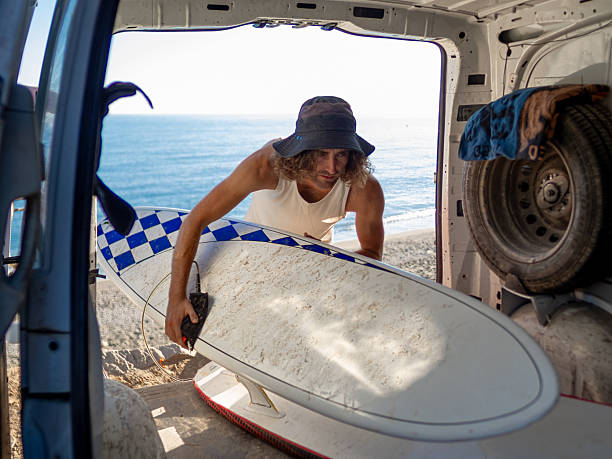
Beyond a good board, a quality, warm wetsuit is a game-changer. Being cold is a session-killer and totally unsafe. A proper suit that fits well—not too baggy, not too tight—lets you surf longer in more seasons. For warmer waters, invest in a good rash guard with UV protection. Your skin will thank you after a four-hour dawn patrol. Comfort in the water means more focus on surfing, not on shivering or chafing.

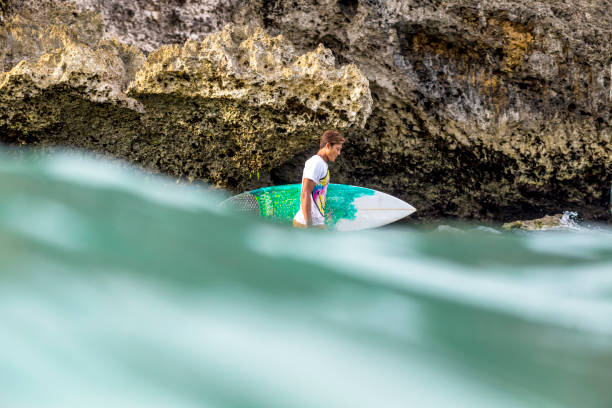
For your first mission, you want consistent, forgiving waves and a chill vibe. Think spots like Costa Rica (Nosara, Tamarindo), Bali’s beginner-friendly beaches like Kuta or Legian, or Sri Lanka’s Midigama. These places offer warm water, soft waves, and heaps of surf camps where you can meet other frothing groms. The goal is maximum wave time in a supportive environment. Leave the heavy, hollow reefs for when you’ve got a few more stamps on your passport.

Reading the lineup is like understanding a live, moving map. It’s spotting where the waves are consistently breaking (the peak), watching other surfers’ patterns, and noticing currents. Sit on your board for a few minutes before charging out. Watch where sets come in, identify the main peak and quieter channels. This knowledge stops you from wasting energy and gets you in the right spot for the good ones. It’s the ultimate local knowledge hack.