Eddie Aikau: Big Wave Legend
Live Surf Cams

Surfline Live is a 24/7 glimpse into the world’s surf.

This stream moves through Surfline’s global camera network, showing spots where it’s daylight and rated Fair or better.

What’s The Deal With…?

Surf Icons & Heroes

It’s the ultimate call to courage in surfing culture. The phrase was born during the 1978 World Surfing Championships at Sunset Beach when conditions were massive and dangerous. Competitors were hesitant, but everyone knew Eddie would have already been out there. It transcends surfing now, meaning to step up when things get gnarly, to face fear with commitment, and to always have your crew’s back. It’s a mindset of pure, unwavering commitment to the challenge, no matter how heavy it gets.

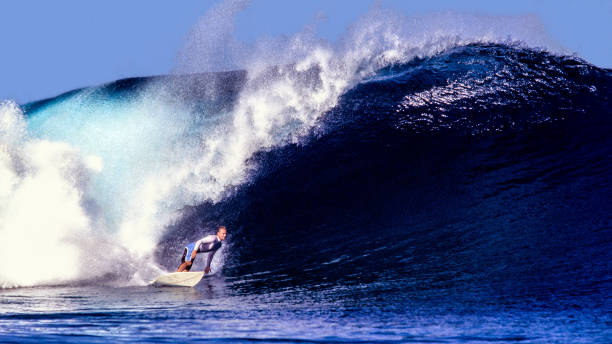
“The Eddie” is the Quiksilver in Memory of Eddie Aikau big wave invitational at Waimea Bay. It’s not just another contest; it’s a tribute. It only runs when wave faces consistently hit a minimum of 40 feet—conditions worthy of Eddie himself. The world’s best big wave chargers are invited, but winning here is about more than a score. It’s about honoring the man, his spirit, and surfing with that same “would go” heart in the most challenging surf on the planet.

As the first lifeguard for the entire North Shore of Oahu, stationed at Waimea Bay, Eddie was a true guardian. He worked without a single fatality on his watch, performing countless heroic rescues in the most treacherous conditions. His role cemented his deep connection to the ocean—it wasn’t just about riding waves for fun, but about understanding its power to protect others. This duty honed his wave-reading skills and solidified his reputation as a selfless waterman who lived the meaning of aloha every single day.

Surf Icons & Heroes

In Hawaii, Eddie is remembered as a kama’aina (local) hero who embodied the spirit of the islands. He represents the ideal of the kahuna nui he’e nalu (master surfer) and waterman—deeply connected to the ’aina (land) and kai (sea). His loss during the Hokulea voyage, a journey to revive Polynesian voyaging traditions, tied his legacy directly to Hawaiian heritage and exploration. He’s not just a surf legend; he’s a cultural icon of bravery, humility, and dedication to community and tradition.

Eddie set the benchmark for what it means to be a big wave surfer. Before jetskis and tow-ins, he paddled into giants on a heavy, single-fin gun, showcasing pure paddle power and commitment. He proved that with enough local knowledge, physical strength, and respect for the ocean, humans could ride mountains. Modern chargers still look to his example of ocean mastery and environmental respect. He inspired the ethos that big wave surfing is as much about mental fortitude and waterman skills as it is about riding the wave.

To really get the story, check out the documentary “Hawaiian: The Legend of Eddie Aikau.“ Visiting the North Shore is a pilgrimage—see the bay he guarded and the plaque at Waimea. The Bishop Museum in Honolulu has artifacts, and the “Eddie Would Go” book by Stuart Coleman is a great read. Most importantly, talk story with older surfers in Hawaii; they keep his memory alive with firsthand tales of his aloha and charging spirit. His legacy is felt in every massive set that rolls into the Bay.