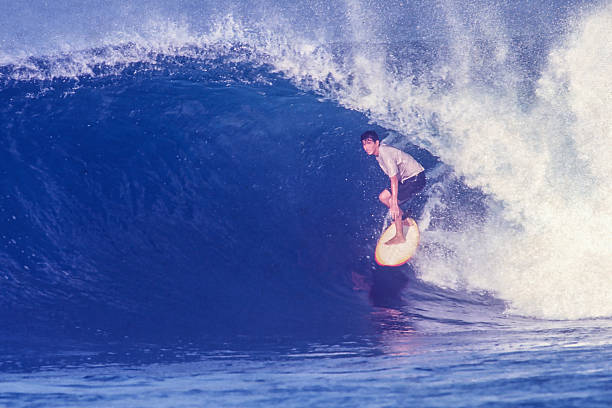
Bottom Turns: Setting Up Your Ride
Live Surf Cams

Surfline Live is a 24/7 glimpse into the world’s surf.

This stream moves through Surfline’s global camera network, showing spots where it’s daylight and rated Fair or better.

What’s The Deal With…?

Surf Technique Deep Dive

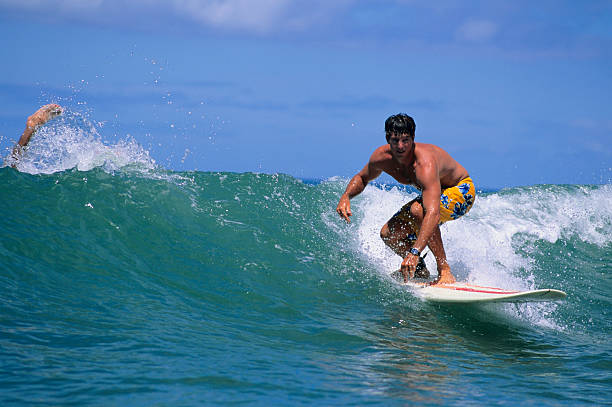
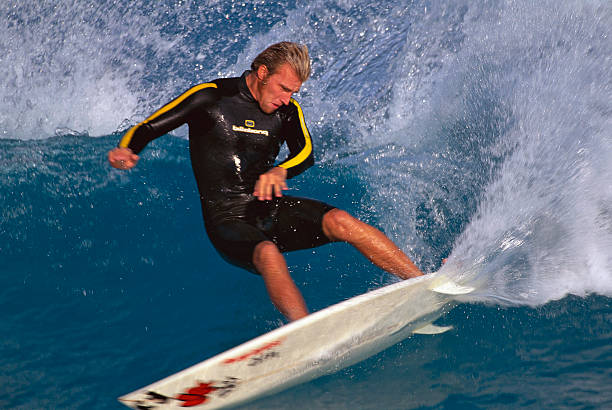
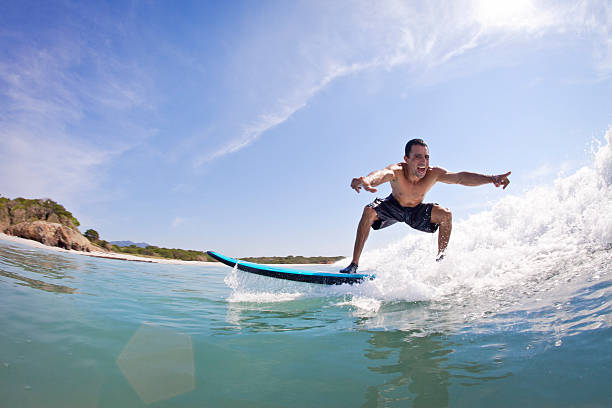
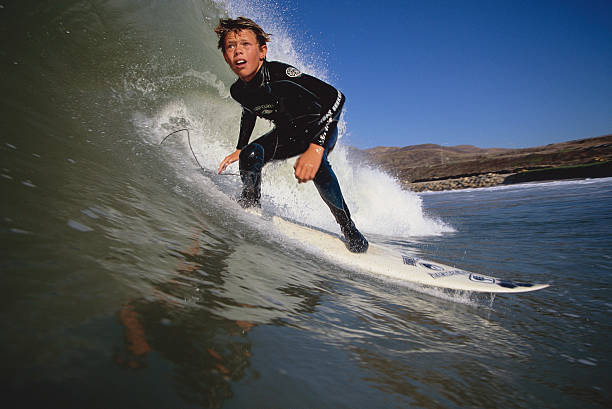
Focus on your compression and extension. Really sink low as you approach the bottom, coiling your body. Then, explode upwards and into the turn, driving off that back leg. It’s not just a lean; it’s a full-body push. Engage your core and shoulders, following your head and eyes. Practice on smaller, forgiving days to build the muscle memory. Stronger legs and core from land training help massively, too. Power comes from the push.

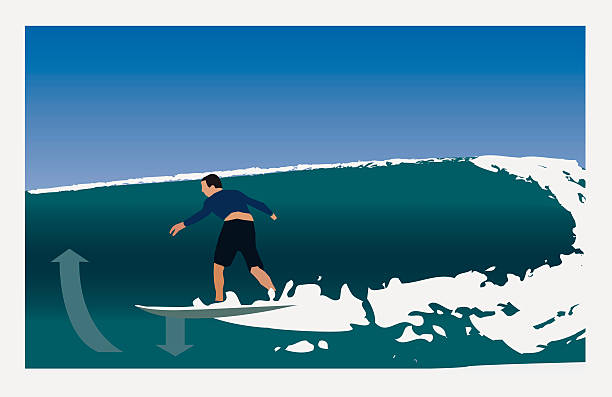
Dude, it’s everything! The bottom turn is your launch pad. It’s the first real turn you do after dropping in, where you redirect that downward energy from the wave face back up towards the lip. Without a solid one, you’re just going straight, wasting all the wave’s power. It sets your line for the whole ride, generating speed and setting you up for your next maneuver, whether it’s a cutback or hitting the lip. Master this, and you unlock the whole wave.

It’s the primary accelerator, man! A powerful bottom turn converts the gravitational speed from your drop into projected speed across the wave face. By compressing and then extending your legs while engaging the rail, you’re essentially pumping the wave. A good, solid turn off the bottom loads the board like a spring, unleashing energy that propels you down the line and up into your next section. No good bottom turn = no speed = a lame ride.

Surf Technique Deep Dive

Going straight, for sure! The “forever trim” is a dead end. The mistake is not committing to the turn early enough. You drop in, get scared of the steep section, and just keep going flat. You gotta commit! Look up the line, trust your rail, and initiate that turn before you lose all your momentum. Hesitation is your worst enemy. Remember, the bottom turn is a directional change—it’s the moment you stop being a passenger and start driving.

It’s a back-foot-driven move, bro. As you initiate, you want about 60-70% of your weight on that back foot, pressing down on the tail to really sink the rail and pivot the board. Your front foot guides and steers, but the power comes from the rear. It’s like a spring: compress down, then explode off that back foot. Too much weight forward and you’ll just go straight or nose-dive. Get that rear foot working!

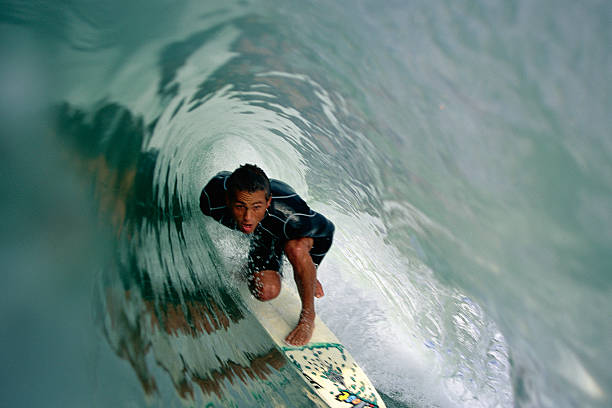
Totally changes the game! On a steep, hollow wave, you need a quick, aggressive, and compact bottom turn to avoid getting pitched. It’s a fast snap to redirect. On a softer, mushy wave, you need a wider, more drawn-out turn to generate speed, often going a bit further down the line before arcing back up. Reading the wave’s power and shape is key. Adapt your compression and power to what the wave is giving you.