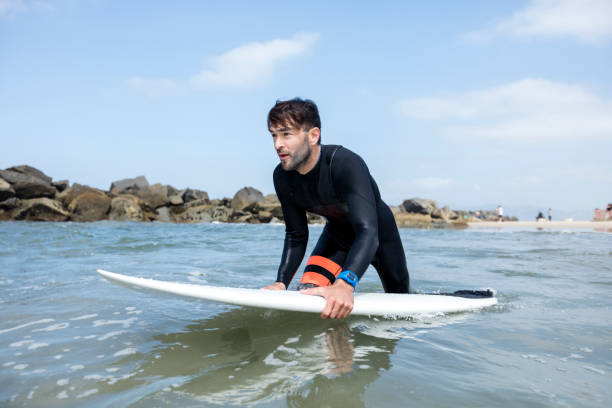
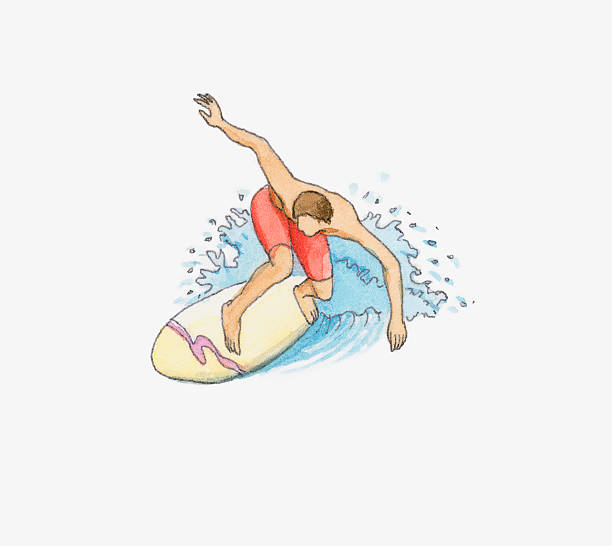
For most of us, the surf world is all about the glide. It’s the feeling of dropping in, the spray in your face, and the pure stoke of a session with your crew. But pull back the curtain on that perfect, sun-drenched image, and you’ll find a whole other world humming away. The surf industry is a complex beast, a mix of passion, business, and sometimes brutal reality that keeps the dream afloat. It’s not all van life and board shorts; there’s a whole lot of hustle happening on dry land.
Let’s start where it all begins: the shaping bay. This is the sacred ground. Forget sterile factories; we’re talking about a dim room clouded with foam dust, where a shaper, often looking more like a sculptor, translates a surfer’s feel into a physical planing hull. It’s a mix of ancient knowledge and modern tech. They might use a computer-guided machine for the rough blank, but the real magic is in the hand tools—the planers, the sanding blocks, the eye that knows how a millimeter here changes everything in the water. These guys are the unsung heroes. They’re not on the cover of mags, but every epic ride starts with their calloused hands.
Then you’ve got the biz side, the suits and the sales meetings. Major brands and tiny local labels all fight for space on the shop rack and in your quiver. It’s a wild market. One season it’s all about high-performance shortboards inspired by the CT, the next, the loggers and mid-lengths are flying off the shelves as everyone chases that soulful glide. Marketing teams work overtime to bottle that authentic “surf lifestyle,“ but any real surfer can spot a forced vibe from a mile away. The brands that last are the ones that keep it real, that actually have dudes and dudettes in the water, not just in boardroom presentations.
And speaking of the pros, their world is a trip. The glitter of the Championship Tour, with its jersey colors and world titles, is just the tip of the iceberg. For every surfer living the dream, there are a hundred grinding it out in qualifiers, living out of vans, chasing points and sponsorships. Their job isn’t just surfing; it’s content creation, social media management, and being a walking billboard. A sponsor drop can mean the difference between chasing swells and getting a real job. It’s a pressure cooker where your passion is also your paycheck.
The real heartbeat of the industry, though, is in the local shops. These aren’t just retail spots; they’re community hubs. The guy behind the counter isn’t a salesman; he’s the one who knows which break is working on today’s wind, who can fix your ding by tomorrow, and who probably shaped the board you’re eyeing. He’s connected to the local groms, the old legends, and everyone in between. This is where trends are born and where core credibility is earned. Big brands can throw all the money they want at marketing, but if the local shop doesn’t vibe with it, it won’t stick.
So next time you paddle out on a fresh stick, think about the journey. From the dusty bay to the shop talk to the global logistics that got that specific board under your feet. It’s an ecosystem built on stoke, for sure, but it’s also built on early mornings, tough calls, and a deep, deep love for the ocean. The industry has its issues—sustainability, overcrowding, commercialization—but at its best, it’s just a bunch of people who’d rather be in the water, working to help you get there too. Keep it real, support your local shaper and shop, and never forget that it all comes back to the simple act of catching a wave. Everything else is just background noise.