All Articles

Live Surf Cams

Surfline Live is a 24/7 glimpse into the world’s surf.

This stream moves through Surfline’s global camera network, showing spots where it’s daylight and rated Fair or better.

What’s The Deal With…?

Surf Travel Adventures

Totally! In fact, it’s a rad way to start. These spots often have the calmest, most perfect learner waves right out front. You’ll get top-notch instruction on soft-tops, avoid the pack, and build confidence with proper coaching. After wiping out, you’re recovering in comfort, not a dingy dorm. It’s about building a solid foundation in style, so you’re stoked to paddle out again tomorrow, not sore and beat up.

Respect and gradual exposure. Don’t just paddle out at Pipe because you surf your local beachie well. It’s a step-by-step journey. Start by building your fitness and paddle power—you need the gas tank. Then, slowly challenge yourself in slightly bigger, more powerful conditions than you’re used to, preferably with experienced friends. Learn to hold your breath, stay calm, and understand wave dynamics. It’s as much a mental game as a physical one. Knowledge and respect for the ocean’s power are your best tools out there.

A closeout is when a wave breaks all at once along its entire length, instead of peeling left or right. There’s no open face to ride, so you either get a quick, bumpy straight-in before it shuts down or you get swallowed by the whitewater. It’s a frustrating wave to catch and is usually avoided by surfers looking for a longer, more rippable ride.

Surf News & Updates

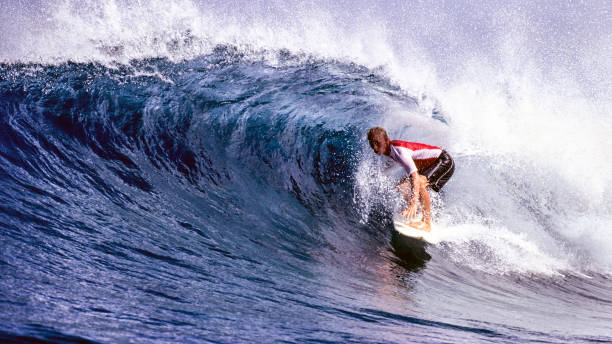
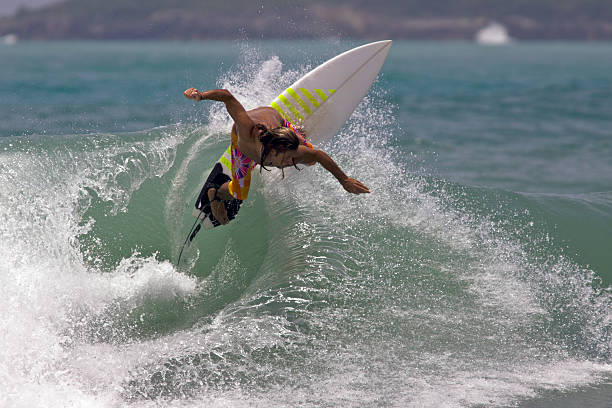
Getting barreled is about commitment and position. It starts with picking the right wave—a pitching, hollow peak. Paddle hard, take off at the critical spot, and aim to get deep. Once you’re in, stay in the pocket, keep your speed, and get low. Don’t look at the curtain; look ahead down the line. It might take a few beatings, but that moment of getting covered up and shooting out the spit is pure, life-changing magic.

Keep it simple, brah. You need a reliable ride, a quiver that covers conditions (think a good shortboard and a step-up), and solid repair kits for dings and dents. Pack a few quality boardshorts or a versatile wetsuit, depending on your chase. Essentials include a sun shade, fresh water jugs, a trusty forecast app, and a solid fin key. The goal is mobility—being ready to roll at a moment’s notice when the charts light up. Less stuff, more sessions.

For sure, but maybe not how you think. You won’t learn the technical steps of a cutback from a movie, but you absorb the flow, timing, and positioning. Watching how a pro sets up for a tube, their speed management on a shoulder, or their body positioning on a drop is invaluable. It’s about visual learning and building your “wave IQ.” You see different lines on different waves, which expands your own mental playbook for when you paddle out.