

All Articles

Live Surf Cams

Surfline Live is a 24/7 glimpse into the world’s surf.

This stream moves through Surfline’s global camera network, showing spots where it’s daylight and rated Fair or better.

What’s The Deal With…?

The Surfing Life

For your first mission, choose a place known for consistent, user-friendly waves and a relaxed vibe. Think Costa Rica (Nosara, Tamarindo), Portugal (the Ericeira area), or Bali (Canggu for beginners). These spots have warm water, plenty of breaks for different levels, and solid surf infrastructure like board rentals and camps. The goal is maximum water time with forgiving waves to practice on. You’ll score unforgettable sessions, immerse yourself in a new surf culture, and live the dream of chasing swells. Just go!

You can attempt a major repair, but it’s a serious project. For a snap, you need to align the stringer perfectly, glue it, and then re-glass the entire area. A massive rail crush or big gash requires significant foam shaping and multiple layers of glass. It’s doable with the right materials and a solid guide, but it’s easy to mess up the board’s flex and balance. For your favorite stick, a bad snap might be a job for the local shaper or repair guru.

You can, but you’ll likely regret it, bro. Everyday cotton shorts or heavy chinos soak up water like a sponge, get crazy heavy, and take forever to dry. They’ll weigh you down while paddling and can chafe you raw. Real boardshorts are engineered with lightweight, hydrophobic fabrics that shed water and move with you. They have features like secure closures and reinforced seams. Save the casual shorts for the post-sesh burger run and gear up with proper baggies for actual water time. Your performance and comfort will thank you.

Surf Technique Deep Dive

For the most part, no. Modern surfboards and fin setups are symmetrical, so they work identically for goofy and regular riders. The only time it matters is with specialized, asymmetrical boards (which are rare) or if you’re setting up a twin-fin with toe-in (angling the fins slightly forward). For 99% of surfers, you don’t need to think about it. Just grab a board that fits your skill level and local waves—it’ll work for your stance, promise.

It connects you to the roots and soul of the sport. Knowing the legends, the evolution of board design, and the iconic breaks gives depth to your own experience. The lingo is our shared language—it’s how we communicate stoke, describe waves, and bond in the lineup. Calling a wave “sick” or a turn “radical” is part of the tribe’s identity. It shows respect for those who carved the path before us. You’re not just riding a wave; you’re stepping into a rich, global culture.

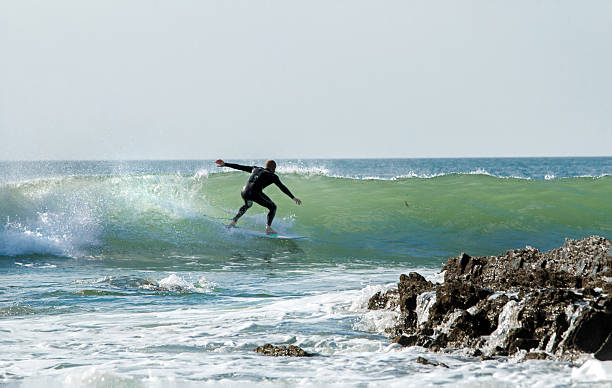
A clean wave has a smooth, well-defined face without any chop or mess from the wind. Think glassy, organized lines rolling in with perfect shape, offering a smooth ride. Offshore winds (blowing from land to sea) typically groom the swell into these pristine conditions. It’s like the ocean has been ironed out, allowing for critical maneuvers and long, flowing carves. These are the days when everything feels effortless and you can really focus on your technique and flow on the wave.