All Articles

Live Surf Cams

Surfline Live is a 24/7 glimpse into the world’s surf.

This stream moves through Surfline’s global camera network, showing spots where it’s daylight and rated Fair or better.

What’s The Deal With…?

Surf News & Updates

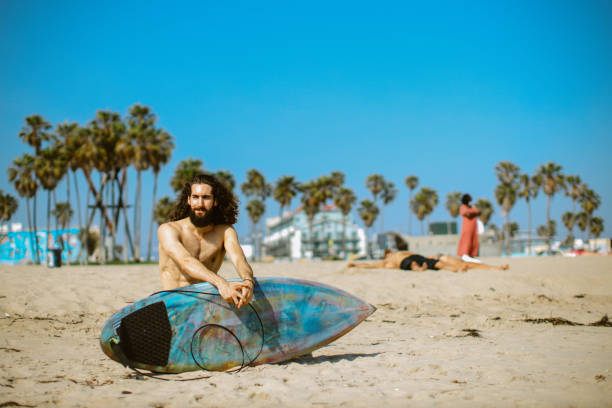
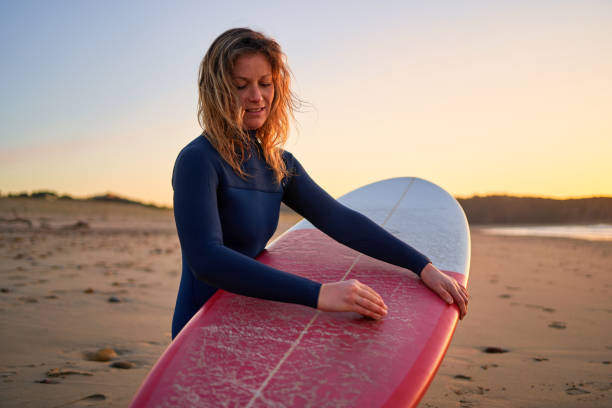
You’re paying for a one-on-one relationship with an artist. A local shaper will talk to you about your surfing, the breaks you frequent, and your goals. They’ll then hand-craft a board with specific dims and a custom glass job just for you. That board has soul and intention before it even touches water. It’s not a mass-produced pop-out; it’s a finely tuned instrument designed to make you surf better. Supporting them keeps the real craft of surfing alive.

Look to the horizon, not just at the water in front of you. Watch for a darker, thicker line forming way out there. Often, you’ll see the horizon seem to “boil” or disappear as the set approaches. Also, keep an eye on the more experienced surfers in the water; if they suddenly start paddling with purpose toward the horizon, they’ve likely clocked a set. It’s about reading the subtle signs before they become obvious.

For most surfers, yeah, a step up in price is noticeable. You’re paying for tech like Yamamoto neoprene, which is crazy light and stretchy, warmer linings, and more durable, sealed seams. A premium suit will last longer, keep you toastier, and paddle way easier. If you’re a weekend warrior, a mid-range suit does the job. But if you’re logging serious water time, especially in cold water, investing in a top-tier rubber is a game-changer for your comfort and session length.

Legendary Surf Spots

It’s a year-round destination, but the waves change faces. Winter (October-April) is for the heavy hitters. The North Shore fires with consistent, powerful swells, often double overhead+. Summer (May-September) brings mellower, friendlier waves to the South Shore, ideal for progression and longboard sessions. Shoulder seasons can offer a mix. Keep an eye on the charts and talk story with locals; they know the rhythms of the island best.

Mental prep is everything out here. It starts with visualization—seeing yourself taking the drop and making the tube. You build confidence in smaller, hollow waves first. Understanding oceanography, like reading the reef and currents at Pipe, is key. Most importantly, you cultivate a calm focus. Respect the power, but don’t let fear freeze you. It’s about committing fully once you’ve paddled in.

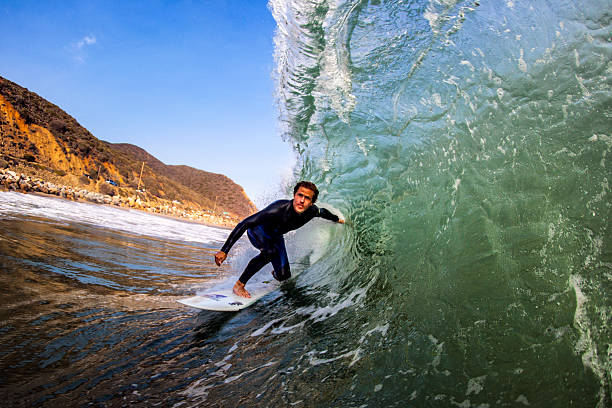
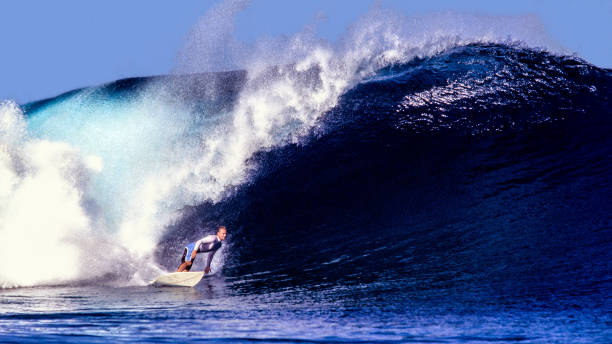
You gotta commit to the green room, bro! It’s a mental leap. Start by angling your takeoff. Don’t paddle straight toward the beach; point your nose slightly toward the shoulder as you feel the wave lift you. This helps you get into the face, not just straight down. Your pop-up needs to be one fluid motion into a slight crouch, ready to turn. Practice on smaller, peeling waves. The key is believing you can make it and not bailing at the last second. Once you feel that trim on the open face, you’ll be hooked for life.