


All Articles

Live Surf Cams

Surfline Live is a 24/7 glimpse into the world’s surf.

This stream moves through Surfline’s global camera network, showing spots where it’s daylight and rated Fair or better.

What’s The Deal With…?

Surf Culture & Community

Because we’re all part of the same tribe, and the ocean is powerful and unpredictable. If you see someone in a bad situation—tangled in their leash, caught in a rip, or injured—paddle over and help. It’s the core of the surfing brotherhood/sisterhood. You’d want someone to do the same for you. A simple check-in, sharing a wave in, or alerting others can make all the difference. It’s about looking out for each other out there.

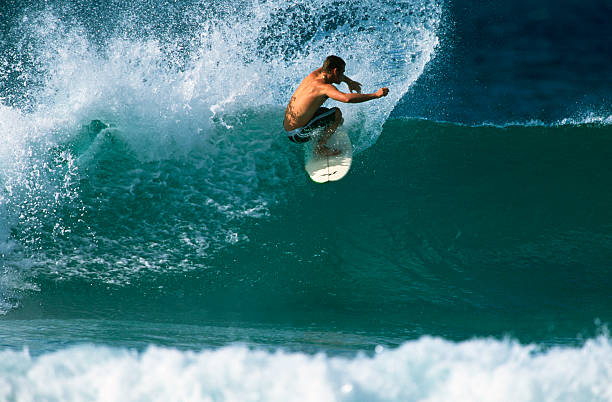
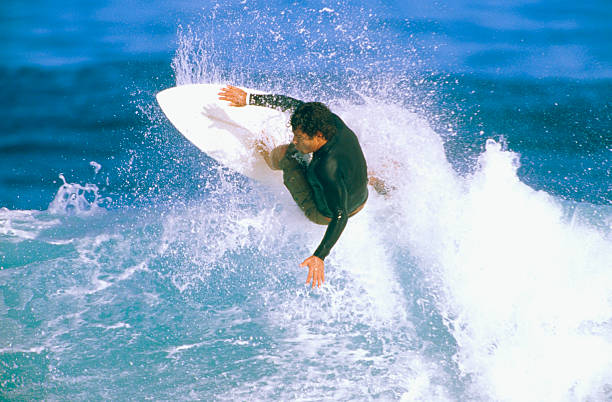
The move away from heavy polyurethane foam and fiberglass was key. Lighter blanks and the introduction of the thruster fin setup (three fins) by Simon Anderson in the early 80s gave shortboards insane drive and control. These materials and designs gave surfers the confidence to push into heavier, barreling waves and come out flying, allowing for the progressive, aerial surfing we see today.

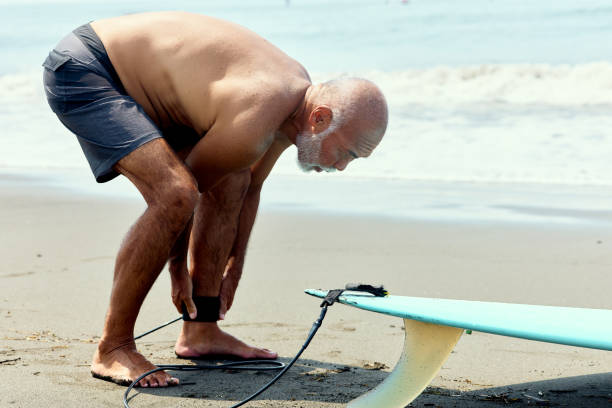
Match the leash length to your board size, generally. A 7-foot board needs a 7-foot leash. Bigger waves or guns demand a thicker cord (like 9mm+) for extra strength so it doesn’t snap on a heavy wipeout. Coiled leashes are great for longboards to avoid tangling. A good leash has a solid swivel to prevent tangling and a comfortable calf strap. Remember, it’s your lifeline to your board—don’t go for the cheapest option. It keeps you and others in the lineup safer.

Surf Gear Essentials

Go thick or stay home, bro. For airline travel, you want at least 10mm of closed-cell foam padding. This stuff absorbs impacts instead of transferring them to your glass. Top bags have 15mm or more. Don’t just rely on the bag, either—toss in some bubble wrap or clothes around the nose, tail, and rails for extra insurance. A thin sock bag is a recipe for disaster; proper padding is the difference between scoring perfect barrels and dealing with a repair shop.

For a solid field repair, you need a “sun-cure” or “UV” resin kit. These are perfect because they cure quickly in sunlight, no mixing required. Grab a small piece of sandpaper to rough up the area, some squeegee or an old gift card to spread the resin, and a razor blade to trim the excess once it’s set. Toss it all in an old wax tub. This lets you seal the ding temporarily to keep the water out until you can do a more permanent, laminated repair later.

Keep it simple. Pick up trash in the car park and beach, even if it’s not yours. Mentor a newer surfer once you’ve got the knowledge. Support local shapers and surf shops instead of always buying online. Participate in or donate to beach clean-ups and conservation efforts. A healthy, clean beach and a supported local economy make for a thriving community for everyone.