All Articles

Live Surf Cams

Surfline Live is a 24/7 glimpse into the world’s surf.

This stream moves through Surfline’s global camera network, showing spots where it’s daylight and rated Fair or better.

What’s The Deal With…?

Surf Lingo Explained

First, master popping up smooth and fast on broken foam. Then, practice your paddle strength and duck diving. The key is positioning: sit outside, watch the sets, and learn to read which waves will have a clean shoulder. Start on smaller, mellow days. It’s all about timing—paddle with commitment just as the wave lifts your tail. Don’t be afraid to eat it; every wipeout is a lesson.

Totally, dude! While it’s not ideal, an onshore breeze isn’t always a write-off. It can be okay for beginners on mellow days, as it softens the waves. For more experienced riders, a strong onshore can sometimes create rampy sections for airs. Or, you can seek shelter—look for a point, cove, or jetty that blocks the wind, creating a clean pocket. It’s all about adapting.

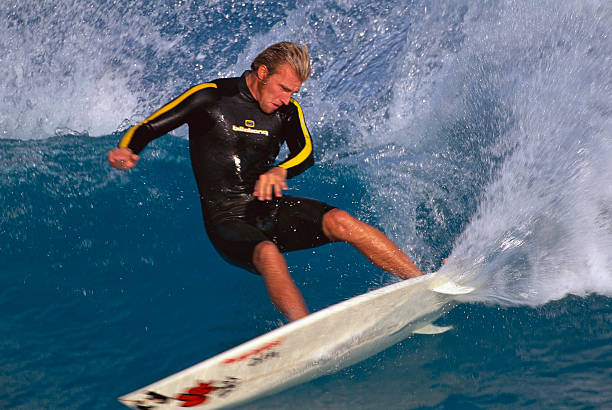
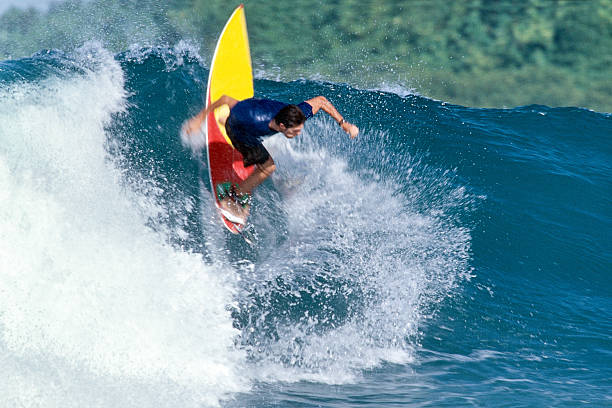
Dude, it’s everything! The bottom turn is your launch pad. It’s the first real turn you do after dropping in, where you redirect that downward energy from the wave face back up towards the lip. Without a solid one, you’re just going straight, wasting all the wave’s power. It sets your line for the whole ride, generating speed and setting you up for your next maneuver, whether it’s a cutback or hitting the lip. Master this, and you unlock the whole wave.

Surf Travel Adventures

Proximity to the break is huge for dawn patrols. Look for places with secure board storage—a locked room or rack. A place with a kitchenette saves cash and lets you fuel up properly. Check if they have a rinse area for gear. Hostels are great for social vibes, but a private cabana or van camp might offer more flexibility. Read reviews from other surf travelers; they’ll mention the crucial details.

Your quiver depends on the season and break. Winter North Shore demands a good step-up or gun for powerful, overhead surf. A solid shortboard and a solid reef booties are essential for the shallow setups. Summer South Shore is more forgiving—a funboard or hybrid is perfect. Always pack a quality leash and consider a helmet for shallow reef surfing. Unless you’re shipping boards, renting from a local shop is a smart move and supports the island economy.

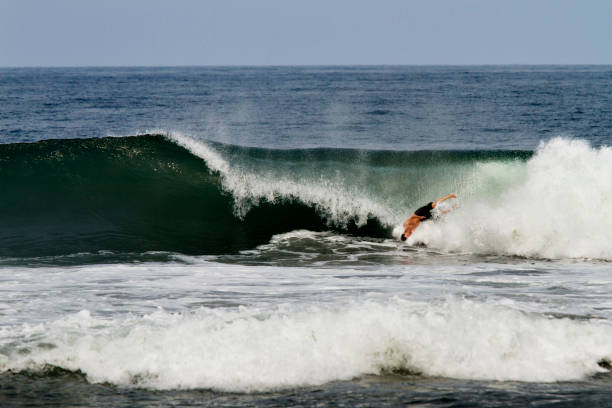
Patience is key. Watch the set patterns for a few minutes. Look for the peak—the spot where the wave is starting to break first. Position yourself just inside of it. Don’t just paddle for the first wave; wait for your turn. It’s about respect and reading the ocean. Going for a closeout just because it’s yours wastes a good peak. Sometimes the best move is to let the frothing pack go for one and be ready for the next, cleaner wave.