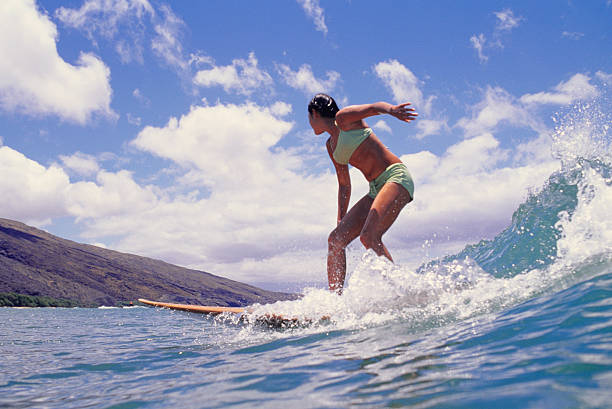
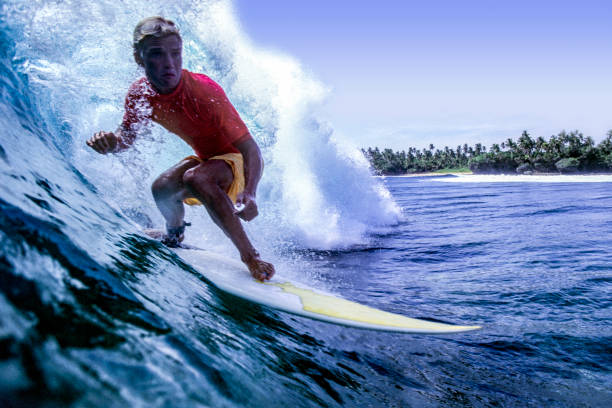
When you picture the dawn of modern surfing, the image is often a sun-bleached, muscular guy hanging ten on a longboard. But that’s only half the story, bro. The truth is, from the very beginning, wahine have been absolutely charging, carving their own lines through a sea of stereotypes and proving that stoke has no gender. The history of surfing isn’t complete without the women who paddled out, pushed boundaries, and showed the world what style and power in the water truly look like.
Let’s rewind. In ancient Polynesia, surfing was never just a man’s game. Chiefs and commoners, men and women, all shared the waves. It was about connection, spirituality, and pure fun. Fast forward to the early 20th century revival in Waikiki. While Duke Kahanamoku rightly gets the hero worship, right there beside him were waterwomen like Princess Ka’iulani, who was a legendary surfer in her own right, and the irrepressible Mary Ann Hawkins. Hawkins wasn’t just a surfer; she was a champion swimmer and paddleboard racer who absolutely dominated in the 1930s and 40s, showing that women could compete at the highest level of ocean athletics.
Then came the Gidget era, which was a double-edged fin. The 1959 film and the cultural boom it sparked brought surfing to the masses, but it often painted the surf girl as a giggling beach bunny watching from the shore. Don’t buy it. While that was happening, real surfers like Linda Benson were rewriting the script. At just 15 years old, Benson dropped into the massive waves of Makaha in 1959, winning the prestigious Makaha International. She wasn’t a sideshow; she was the main event, proving groms and women could handle serious juice.
The 70s and 80s saw the rise of pure, soulful power. Margo Oberg became the first-ever women’s world champion in 1975 and kept charging Pipeline when many guys were hesitant. She was the ultimate competitor, but the soul of women’s surfing was also being defined by stylists like Rell Sunn, the “Queen of Makaha.“ Rell wasn’t just about contests; she was the heart of her community, a lifeguard, a fisherwoman, and the founder of the first women’s pro surfing contest. She surfed with a grace and connection to the ocean that was, and still is, the ultimate goal.
The modern game changed forever with the arrival of Lisa Andersen in the 90s. Here was a woman who surfed not just with skill, but with a raw, aggressive power that shattered the old molds. She tucked into barrels with a low, driving style that was pure attack. Winning four consecutive world titles, she didn’t just win; she inspired a whole new generation of girls to paddle out and rip. The “Lisa Andersen effect” filled lineups with hungry, talented wahine who saw they could be athletes first.
Today, that legacy is in full view. Carissa Moore’s explosive, technical prowess. Stephanie Gilmore’s impossibly smooth, seven-time world champion style. Tyler Wright’s powerful rail game and fearless voice. They’re not just winning; they’re pushing performance surfing to places no one has seen, man or woman. They’re charging Teahupoo, getting barreled at Pipeline, and doing airs that defy physics.
So next time you’re sitting in the lineup, take a look around. The women out there aren’t just sharing the waves; they’re inheriting a legacy built by absolute legends. They’re the descendants of princesses, pioneers, and powerhouses who refused to be left on the beach. The story of surfing is written in saltwater, and for every chapter, there’s a wahine who was right there, setting the line. Respect the history, respect the lineup, and always respect the women in the waves. They’ve been charging since day one.