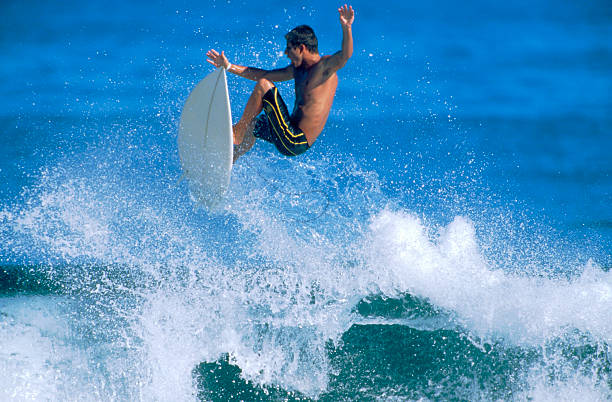
There is a moment just beyond the shore break, when the white water has stopped pounding your chest and the horizon opens up, that every surfer hits the same silent threshold. It’s the point where your arms start to burn, where the salt stings your eyes, and where the ocean reminds you that you are not the main character in this story. For all the talk about right-of-way rules and snaking and dropping in, the deepest lesson in surf etiquette has nothing to do with who stands up first on a peak. It’s about the humility you carry with you through the whole session, from the sand to the channel and back again.
The ocean does not care about your favorite board, your wetsuit brand, or how many followers you have on Instagram. It does not know if you are a local legend or a wide-eyed kook on a foamie. That big set wave rolling in from the deep isn’t going to check your credentials before it pitches you into the reef. The first rule of respecting the ocean, then, is admitting you are small. This is not a weakness; it’s the foundation of every other piece of etiquette that keeps the lineup sane and safe. When you paddle out with ego, the ocean has a way of humbling you fast. You get held down on a cleanup set, you get clipped by a fin, you get caught inside without a breath left in your lungs. The water doesn’t care about your bad day, and that impersonal power demands a specific kind of respect: one that starts with checking your attitude before you even touch the water.
A lineup is just a group of people floating on a moving, unpredictable platform. There is no referee. There is no rulebook you can pull out of your board shorts. The only thing that keeps a dozen strangers from turning a beautiful morning into a screaming match is an unspoken agreement to look out for each other. This is where true respect shows up. It’s in the glance you give the surfer on the inside when you know a sneaker set is coming. It’s the nod you offer to the guy who just got smashed by a wave you both saw coming. Respecting the ocean means respecting the fact that every other person in the water is also vulnerable, also just trying to catch a fleeting moment of glide. When you paddle with that awareness, you naturally give waves away when someone is deeper, you hold your position when someone is already committed, and you apologize when you mess up, because you will mess up. It’s not about being perfect; it’s about being present.
The ocean also teaches a hard lesson about patience that applies directly to the etiquette of the lineup. You cannot force a wave. You can pick a peak, jockey for position, and paddle with everything you’ve got, but the ocean decides who gets the ride. The true surfer who respects the water understands that every session is a negotiation with forces beyond human control. When you respect that, you stop burning other people’s waves because you realize your turn will come. The guy sitting deeper than you is not your enemy; he is just another person who paddled out chasing the same feeling. The ocean has enough waves for everyone, but not everyone gets the same wave. Accepting that is the secret to a peaceful lineup and a long, happy time in the water.
Finally, respecting the ocean means leaving it exactly as you found it, maybe even a little better. The plastic wrapper that washed up on the beach, the stray fishing line tangled in the rocks, the cigarette butt someone left in the sand—all of that is your problem now. Because the ocean that gives you the best moments of your life deserves more than your fleeting gratitude. It deserves your active care. The surfer who picks up trash after a session, who doesn’t piss in the lineup, who respects the marine life they share the water with, that surfer has understood the deepest part of etiquette. It’s not a set of rules to follow. It’s a way of being in the world that says: I am a guest here, and I will act like one.
When you paddle back in, legs shaking and brain buzzing from the stoke, the only thing you should leave behind is your wake. Every surfer who carries that humility into the water helps preserve the exact thing we are all chasing: a clean, honest, shared connection with something bigger than ourselves.