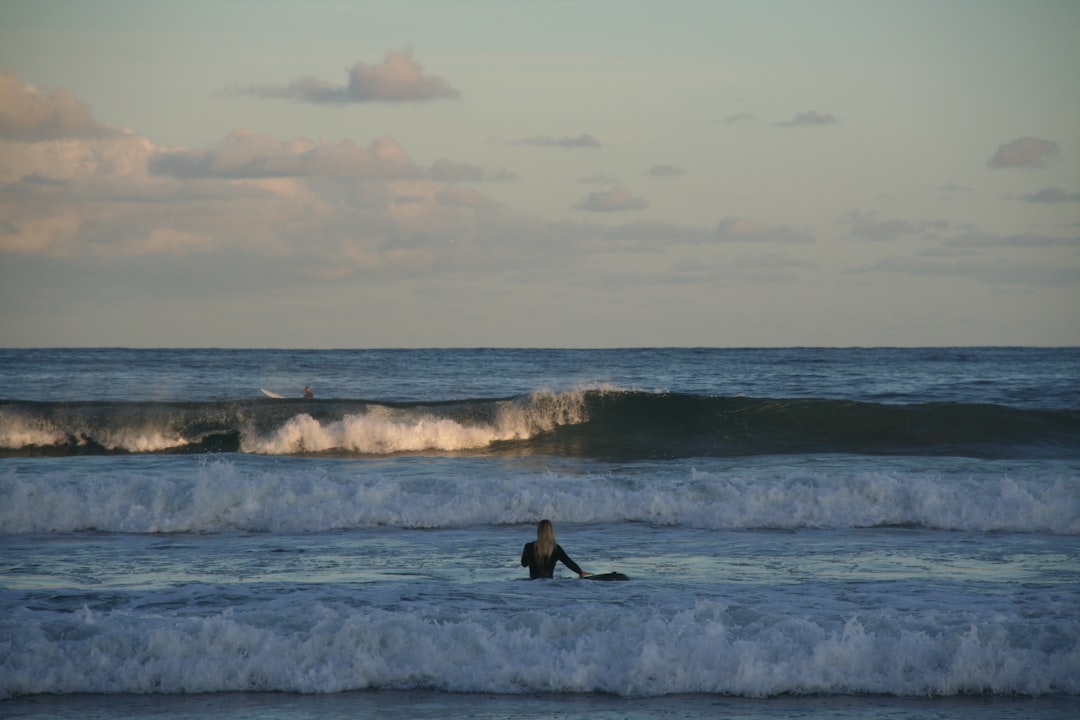
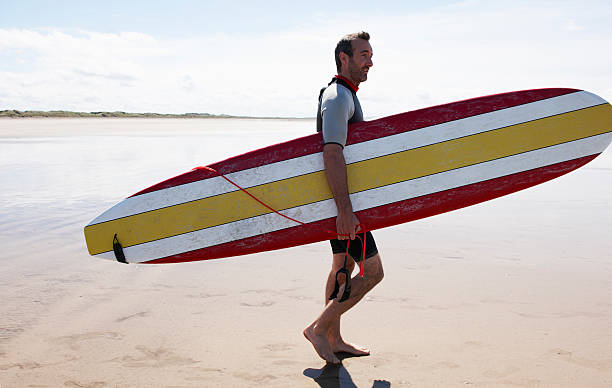
There’s something sacred about a right-hand point break that peels forever down a sandbar, and the Gold Coast has got some of the finest ones on the planet. If you’ve ever paddled out at Snapper Rocks on a solid southeast swell with a light offshore breeze combing the faces clean, you know exactly what I’m talking about. The whole lineup buzzes with that electric hum of anticipation, guys and gals sitting deep, waiting for the set that will carry them all the way from the rock to Kirra, a ride that can stretch damn near a kilometer if the sand is right. This stretch of Queensland coastline isn’t just a place to score waves; it’s a living, breathing monument to the surfing lifestyle, a place where the endless summer feels like it actually exists.
The magic starts with geography. The Gold Coast’s famous points—Snapper, Kirra, Burleigh, and Duranbah—are sculpted by sand that shifts with the seasons, a restless energy that keeps the bank fresh and the locals on their toes. When the Tweed River sand bypass system pumps sand south, the Superbank comes alive, linking Snapper to Kirra into one long, dreamy right-hander that can offer rides longer than any other wave on the mainland. That kind of wave changes a surfer’s mindset. You don’t just ride it; you live it. Every turn, every bottom turn, every re-entry flows into the next as if the ocean is handing you a canvas and saying, “Go on, paint something beautiful.” And that’s the heart of the lifestyle here. It’s not about charging the biggest slabs or paddling into mutant mutants. It’s about the glide, the flow, the pure stoke of connecting with a wave for so long that you forget you’re even on a board.
But living the Gold Coast dream requires more than just showing up with a board under your arm. You gotta read the ocean like a book, understand the tides, the swell direction, and the winds that can turn a perfect point into a choppy mess in an hour. Winter is the golden season, when the groundswells roll up from the Southern Ocean and the offshore westerlies groom every wave into a glassy wall. That’s when the lineup gets crowded, sure, but it’s also when the energy peaks. You’ll see everyone from groms on their first proper point break to grizzled old salts who’ve been surfing these waves since the 1970s, all sharing the same stoke. There’s a code, a rhythm to the lineup that you learn by sitting in the channel and watching. Respect the pecking order, don’t snake your fellow surfer, and paddle hard when the set comes—those are the unspoken rules that keep the vibe mellow even when the wave count is high.
The lifestyle extends beyond the water, too. After a morning session, you’ll find the crew at a café near the spit, sipping flat whites and talking about the one that got away, or the barrel that spit them out at Kirra Point. The whole culture here is built around the wave. Your schedule, your mood, your conversations—everything orbits the swell. That’s the beauty of it. You aren’t just visiting a beach town; you’re plugging into a rhythm that’s been pulsing for decades. The Gold Coast has seen the evolution of surfing from the longboard era to the shortboard revolution, from single fins to thrusters to all sorts of modern foil boards and asymmetrical shapes. Yet the core remains unchanged: a deep, abiding love for the ocean and the ride it offers.
Traveling to the Gold Coast for a surf trip means embracing that rhythm. Forget the rigid itineraries and tourist traps. Instead, park yourself near Coolangatta, wake up before dawn with the offshore breeze, check the cams, and paddle out at first light. Let the wave dictate your day. If it’s pumping, you stay in the water until your arms feel like noodles. If it’s flat, you explore the headlands, walk the coast, or just kick back at the beach and watch the horizon for the next pulse of swell. There’s a reason the phrase “Gold Coast Glory” gets tossed around by surfers from everywhere. It’s not just marketing hype. It’s real. It’s the feeling of paddling out at Burleigh when the sun breaks over the hinterland, lighting up the wave face like liquid gold. It’s the shared laughter after a wipeout, the camaraderie in the channel, and the simple, profound joy of being alive in the ocean.
So if you’re dreaming of a place where the surf lifestyle isn’t a vacation, but a way of being, point your compass toward the Gold Coast. Pack a quiver that covers everything from a groveler for small days to a step-up for when the Southern Ocean sends a proper groundswell. Bring an open mind, a humble attitude, and a willingness to sit in the lineup and learn from the water. The waves here have been teaching surfers for generations, and they’re still the best teachers around. Catch a few, and you’ll understand why so many have fallen under the spell of this stretch of sand and sea. The stoke is real, the waves are world-class, and the lifestyle is as pure as it gets. Paddle out, drop in, and feel the endless summer wash over you.