You ever paddle out on a crisp morning, that first splash hitting your chest like a cold slap of reality, and you realize your rubber is your best friend out there. The wetsuit is the unsung hero of surf gear, the silent partner that lets you chase waves from the icy barrels of Northern California to the balmy, sun-drenched lineups of Costa Rica. It ain’t just about staying warm, though. It’s about staying in the water longer, moving like the ocean wants you to move, and feeling every bit of that glassed-in glide without shivering yourself into a cramped-up mess.
When we talk about wetsuits for all conditions, we’re really talking about a spectrum of rubber that’s gotta handle the whole deal. You got your 3/2 mil suits for that sweet spot spring and fall water, where the sun is high and the wind is light but the water still has that bite. That suit is your everyday driver, flexible enough for a full snap rotation but thick enough to keep your core from going numb during a long session. Then you got the 4/3, the workhorse for the cold months. That extra millimeter makes a world of difference when the water dips below fifty-five. You lose a little mobility in the shoulders, sure, but modern neoprene technology is so dialed these days that a good 4/3 feels like a second skin if you get the right brand and the right cut.
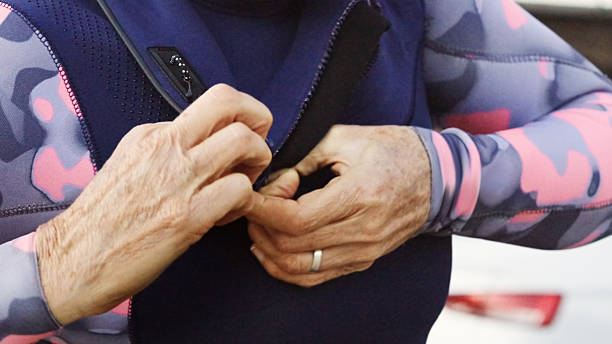
The real trick, though, is finding the suit that fits you like a glove but doesn’t suffocate you. Too loose and you got water flushing in every time you take off on a wave, that cold flush hitting your kidneys like a tiny iceberg. Too tight and you’re fighting your own gear, feeling that pinch in your armpits when you paddle, and that’s a surefire way to get burnt out before the tide even turns. The perfect suit should feel snug when you’re standing on the sand but almost disappear when you’re lying on your board. That’s the magic of a good fit. And don’t even get me started on the zipper. Back zip is classic, easy in and out, but that front zip or chest zip is where it’s at for limiting water entry and giving you that extra layer of warmth around your neck. It’s a trade-off, but once you go chest zip, it’s hard to go back.
Now, the material story is evolving faster than a south swell in July. Traditional neoprene is made from limestone or petroleum-based sources, and while it works, the industry is shifting toward more sustainable rubber, like that Yamamoto stuff from Japan or plant-based neoprenes that cut down on the carbon footprint. That’s the future, and it rips. You got suits now that use jerseys made from recycled plastic bottles, linings that dry faster than a towel in the desert, and seam tape that holds up season after season. The days of the stiff, smelly, wet-rubber suit are over. We’re in the golden age of neoprene.
But listen, even the best suit won’t treat you right if you don’t treat it right. Rinse it with fresh water after every session, hang it in the shade on a wide hanger, never wring it out, and never ever leave it baking in the back of your truck. That’s a death sentence for the rubber. A little care goes a long way. Patch up those knee dings before they become full-blown holes, and give it a proper wash with a suit shampoo every now and then to keep the stank away. A smelly suit is a lonely suit.
At the end of the day, your wetsuit is your ticket to the endless session. It’s the barrier between you and the cold, but it’s also the connector. The right rubber lets you feel the ocean’s pulse without fighting its temperature. It lets you paddle out when the sunrise is still bleeding orange over the horizon and the water is glassy and empty. It lets you sit in the lineup for three hours, watching sets roll in, knowing you’re comfortable and ready. That’s the lifestyle. That’s the chase.
So whether you’re suiting up for a dawn patrol in a 5/4 with a hood and booties or slipping into a short-sleeve spring suit for a tropical session, remember this: your wetsuit is more than gear. It’s your armor and your freedom. Treat it well, pick it right, and it’ll keep you in the water for as long as the waves keep breaking.