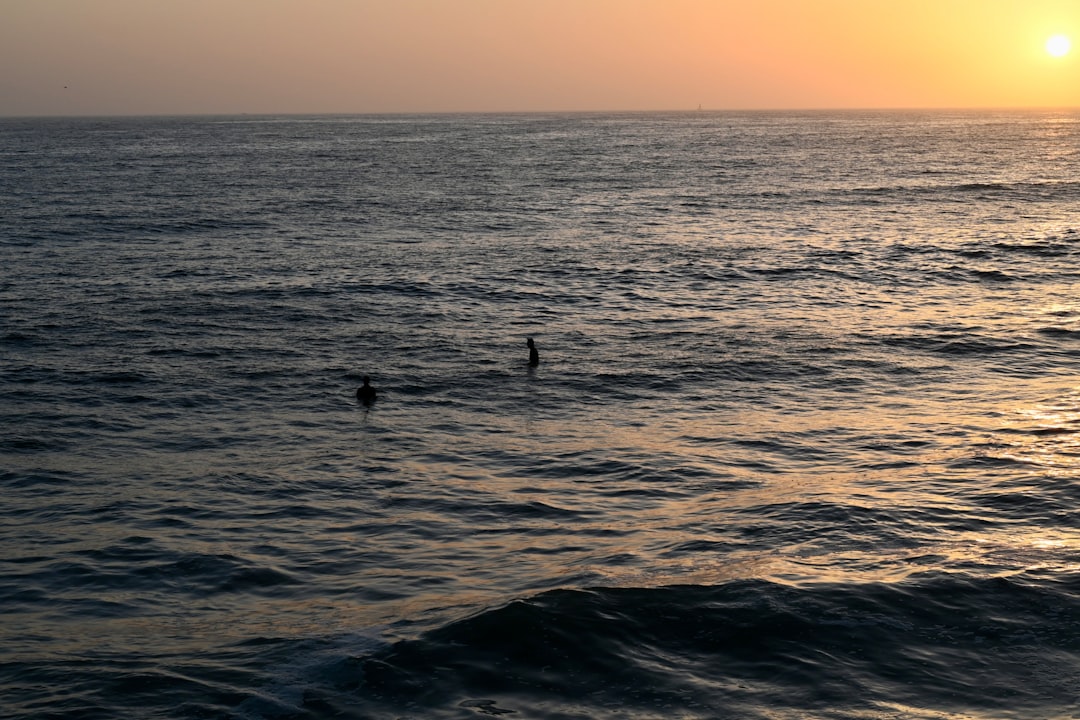
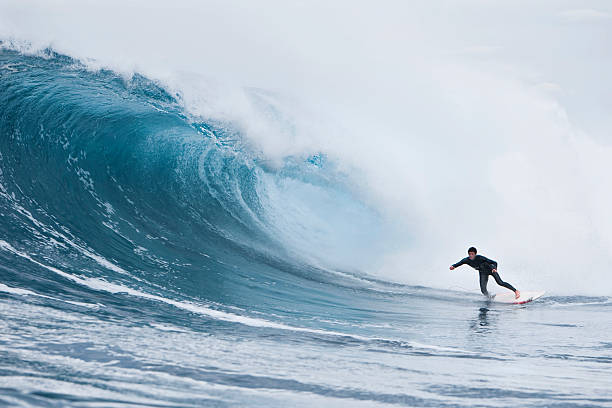
There’s a certain kind of stoke that hits you when the alarm goes off at 4:30 a.m. and you can smell salt air through the cracked window of a beat-up van. That’s the life. The endless summer isn’t just a movie; it’s a mindset, and the United States is one of the few places on earth where you can chase that feeling across an entire continent. From the cold, cranky Atlantic barrels of winter to the mellow, sunbaked point breaks of the Pacific, a coast-to-coast surf trip is the ultimate pilgrimage for any wave junkie who wants to understand the full spectrum of American surf.
Start on the East Coast where the ocean has a different heartbeat. New Jersey and the Outer Banks aren’t just sandbars; they’re proving grounds. The swell here is fickle, born from nor’easters and distant hurricanes, but when it lines up, the waves pitch with a hollow, dredging ferocity that humbles even the most jaded West Coast ripper. You’ll be surfing in a hood and booties, dodging the infamous Jersey shore locals who’ve earned their grumpiness the hard way, and you’ll feel a raw, gritty energy that’s completely absent from the Postcard Pacific. Further south, Florida cranks out a different vibe entirely — mushy, soft-peeling waves that are perfect for a longboard and a sunrise session before the thunderheads roll in. It’s the land of point breaks over sand, of warm water that turns a board into a slippery fish, and of a crew that’s more about fun than frenetic performance.
Cross the Mississippi, and the surf scene gets sparse until you hit the Gulf Coast. Texas and the Panhandle are the forgotten heroes, where a winter swell from the south can turn a flat, brown bay into a fun, shoulder-high playground. The vibe is all about gratitude — a crew that doesn’t take a single wave for granted because they know the ocean is a tyrant that rarely performs on schedule. It’s a place where you eat tacos on the sand, laugh at the pelicans, and learn to love the wind chop because that’s just what the day gives you.
Then comes the West Coast, the promised land. California is the heart of American surf culture, with an almost spiritual diversity of breaks. Drive Highway 1 from Santa Cruz down to San Diego, and you’ll surf reef breaks, rivermouths, beach breaks, and long, peeling point waves that seem to rail forever. Places like Steamer Lane, Trestles, and Rincon aren’t just spots; they’re altars. The water is colder than Florida, the crowds are thicker than New York in July, and the localism can be polite or passive-aggressive, but the raw quality of the waves makes it all worth it. You’ll find longboarders gliding with elegance at Malibu while shortboarders huck airs at Lowers, and the whole coastline hums with an infectious, sun-blessed energy. Farther north in Oregon, Washington, and even the rugged northern California coast, conditions turn gnarly — big, cold, heavy slabs that break over sharp reefs and demand every bit of your strength and respect. That’s where surfers are forged, not created.
What makes a coast-to-coast run special isn’t just the waves, though. It’s the scattered tribe that rides them. Every region has its own language, its own rituals, its own kind of stoke. In New York, you pull into a crowded parking lot in Montauk and trade knowing nods with locals who’ve survived brutal winters. In Venice Beach, you weave through skaters and drum circles just to paddle out into a soft, rolling whitewater. In the Pacific Northwest, you share hot coffee and a silent smile with a hooded surfer who looks more like an arctic explorer than a beach bum. That’s the real juice — the people, the places, the weird pit stops at roadside diners, the smell of wet wetsuits in a warm car, the stickers from every surf shop plastered over the van’s interior.
The journey itself is the best part of the trip. You’re not just chasing swell; you’re chasing horizon lines, forecasting maps, and the simple joy of a perfect sunrise over a new ocean. The endless summer doesn’t mean you never see winter. It means you’re always looking for the next tropical storm pulse, the next swell window, the next empty break that’s just waiting for you to paddle out. From the ragged, punchy Atlantic to the glassy, sculpted Pacific, the United States is a surfboard’s ransom worth of possibilities. The only thing you have to decide is which way the wind is blowing, where the tide is going, and whether you’ve got the nerve to go grab it.