Surf Technique: Paddling to Perfection
Live Surf Cams

Surfline Live is a 24/7 glimpse into the world’s surf.

This stream moves through Surfline’s global camera network, showing spots where it’s daylight and rated Fair or better.

What’s The Deal With…?

Mastering the Waves

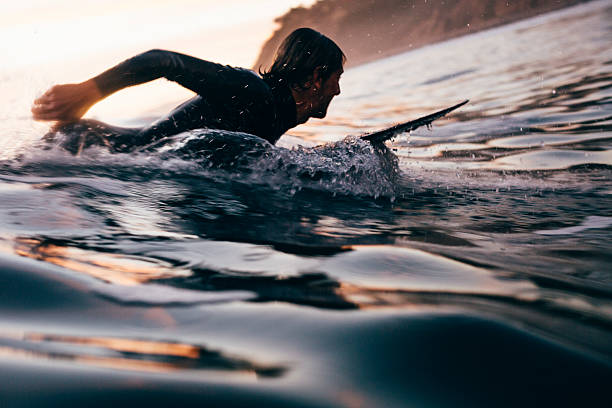
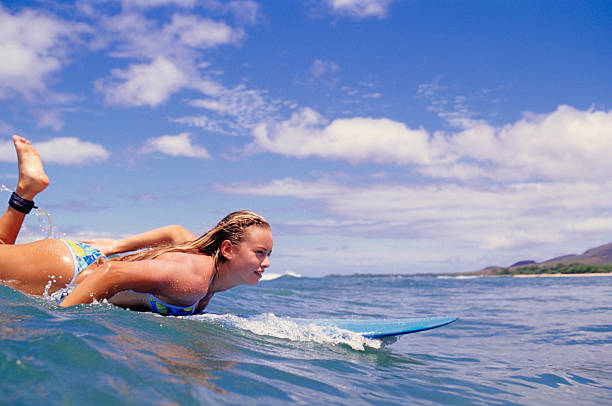
Dude, it’s simple: you can’t catch waves if you can’t get to ’em. Efficient paddling is your engine. It’s about conserving energy, beating the pack to the peak, and getting into waves early. Think long, powerful strokes with a high elbow, not frantic splashing. A smooth, strong paddle means you’re not gassed when you pop up. It’s the difference between watching sets roll by and being in the right spot, every time. Master this, and your wave count will skyrocket.

Respect is everything in the tribe. Always paddle around the peak, not straight through where people are riding. If you’re paddling out and someone is riding toward you, paddle toward the whitewater, not away from it—this makes your position predictable. Apologize if you mess up, even if it wasn’t your fault. A simple “my bad!“ goes a long way. Observe the lineup, learn who has priority, and never drop in. Good vibes make for better sessions for everyone.

Timing and turtle rolls, my friend! Watch the set, don’t just charge. Time your dash between waves. When a wall of whitewater is unavoidable, go for the turtle roll: flip your board over, grab the rails, and submerge yourself on the backside of the board. Let the foam ball roll over you, then flip back and paddle like hell. For bigger boards, a skilled duck dive is key. It’s about using the ocean’s energy, not fighting it head-on.

Mastering the Waves

Get on the land, brah! Nothing beats actual paddling, but to build that engine, hit the gym. Focus on back, shoulder, and core strength. Rows, lat pull-downs, and planks are your best friends. Swimming is also gold—especially freestyle. Even a few minutes of pop-up practice on a carpeted floor builds that explosive muscle memory. Consistency is key; a little daily work translates to more stamina in the lineup when that dream swell hits.

Totally crucial, bro! More volume (width, thickness, length) equals more float and easier paddling. A high-volume board gets you planning quickly and is stable. But once you’re skilled, a lower-volume, more refined shape paddles through the water more efficiently, letting you duck dive easier and position yourself precisely. It’s a trade-off: float helps beginners, while performance shapes demand stronger technique. Choose a board that matches your skill and the waves you’re chasing.

The pop-up is that magic moment you go from paddling to standing. But it starts with the paddle-in! Your final few strokes must be explosive to match the wave’s speed. As you feel the lift, plant your hands flat by your ribs in one smooth motion, then spring your feet under you. If your paddle was weak or late, you’ll miss the wave or nosedive. A powerful, timed paddle gives you the momentum and stability for a clean, fluid stand-up.