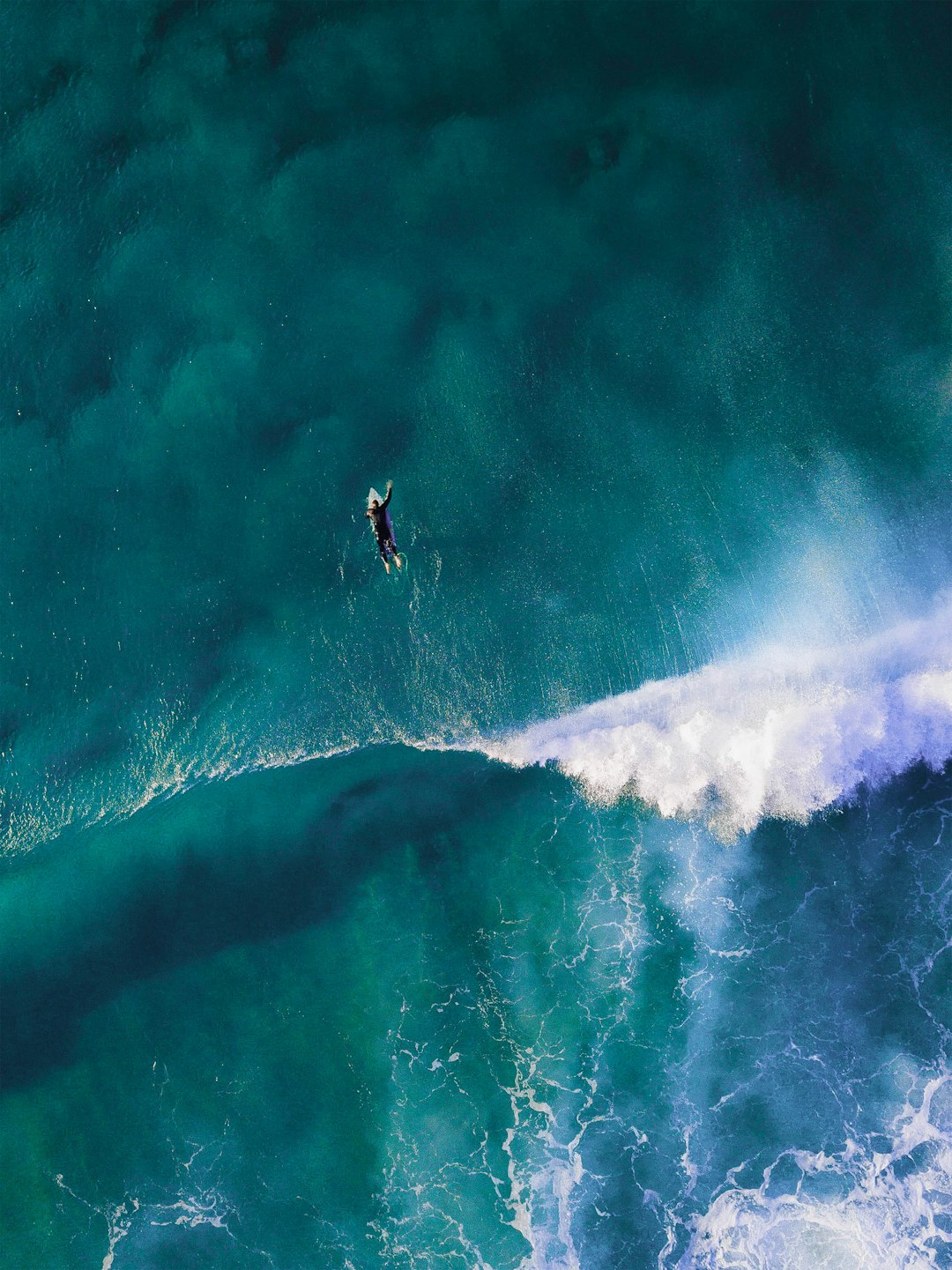
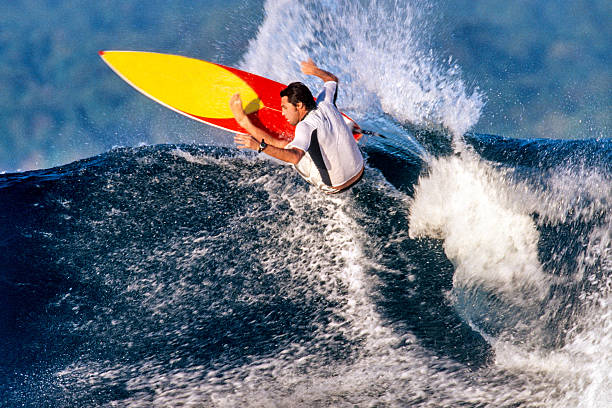
Forget the postcard. Forget the cozy pubs and the fluffy sheep for a second. We’re talking about the Dingle Peninsula, Ireland, in its raw, unfiltered, wave-charging glory. This isn’t just a scenic detour on the Ring of Kerry; this is a serious surf frontier, a place where the full fury and beauty of the North Atlantic gets funneled into a craggy gauntlet of reefs, points, and beach breaks that’ll make any surfer’s heart pump. The water’s cold, the weather can switch from sunshine to sideways rain in the time it takes to wax your board, but the waves… the waves are the stuff of legend.
Dingle is the real deal, a surfer’s pilgrimage for those who value soul over scene. You won’t find a line of branded vans here. You’ll find local chargers in hooded 5/4mm wetsuits, farmers checking the swell between milking, and a community that’s as rugged and welcoming as the landscape itself. The peninsula juts out into the ocean like a fist, meaning it picks up every ounce of energy from any westerly or southwesterly pulse. The result? A ridiculous variety of setups that can handle anything from a gentle summer swell to a full-on winter beast mode.
Let’s break it down, surfer to surfer. On the south side, you’ve got the more protected spots. Inch Beach is the famous four-mile stretch of sand, a perfect, user-friendly wave that can offer long, rippable walls when it’s on. It’s the go-to, the all-rounder, the place to get your legs under you or log some serious carves. But the magic of Dingle is in the nooks and crannies. Venture further and you’ll find wedgy beach breaks and hidden reefs that work on different tides, offering hollow sections and faster walls for those willing to explore.
But the heavy hitters, the waves that fuel the legends, are on the northern flank, facing straight into the Atlantic’s belly. Here, you’re talking about powerful, grinding reef breaks where the water moves with serious intent. Spots like Brandon Bay offer a vast arena of peaks that can produce perfection when the elements align—long, tubing lefts and rights in crystal-clear water with the mighty Mount Brandon as your backdrop. It’s a powerful, awe-inspiring place to surf, reminding you of nature’s scale.
Then there’s Mossies, a fickle but world-class right-hand point break. When a big, clean west swell wraps into this rocky headland, it can spin off mechanical, down-the-line walls that’ll have shortboarders frothing. It’s a committed wave, not for the faint of heart, but it’s the jewel in Dingle’s crown for performance surfing.
The lifestyle here is pure saltwater simplicity. Your day revolves around the tide charts and the buoy readings. A session is followed by a hot shower if you’re lucky, but definitely by a pint of the black stuff and a bowl of stew in a Dingle town pub, where the craic is as reliable as the swell. You’ll swap stories with grizzled locals who’ve been surfing these waters since before neoprene was invented, and with fellow pilgrims who, like you, chased a map line into the Atlantic and found something more than just waves.
Surfing the Dingle Peninsula isn’t about ticking a box. It’s an experience. It’s paddling out in water so clear you can see the kelp forests below, with dolphins playing in the channel. It’s getting caught in a hailstorm while waiting for a set, then having the sun break through as you drop into a green, glassy wall. It’s rugged, it’s real, and it’s deeply rewarding. So pack your thickest wetsuit, your most watertight sense of adventure, and your respect for the ocean. The Emerald Isle’s swells are waiting, and they don’t mess around.