Ancient Hawaiian Wave Riding
Live Surf Cams

Surfline Live is a 24/7 glimpse into the world’s surf.

This stream moves through Surfline’s global camera network, showing spots where it’s daylight and rated Fair or better.

What’s The Deal With…?

Surf History & Legends

Surfing was woven into everything—religion, society, and politics. It was a sacred act, a way to honor the gods of the sea and nature. Skill in the surf determined social status and respect. Chiefs used their prowess on an olo board to demonstrate their power and authority. Major surf contests could be used to resolve disputes. Basically, the lineup was the original social network and proving ground, blending spiritual practice with community life and raw athleticism.

By knowing the history and giving respect where it’s due. Understand that surfing is a Hawaiian gift to the world. Use some of the old terms, respect the kapu (rules) of the lineup, and protect the oceans and beaches. Support Hawaiian surfers and communities. When you paddle out, remember you’re part of a lineage that goes back centuries. It’s about riding with aloha—respect for the wave, your fellow surfers, and the culture that started it all. That’s the true soul of the sport.

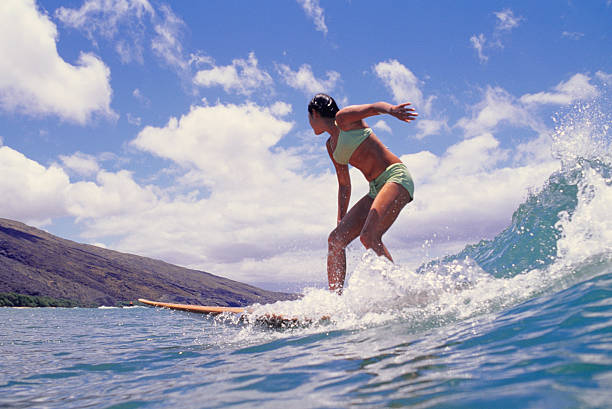
They surfed with incredible style and skill, totally in tune with the ocean. They rode prone, kneeling, and most famously, standing upright—what we call he’e nalu. Without leashes, wipeouts were serious business! They studied the swells, winds, and reefs like scientists. Surfing was part of their social fabric, from proving courage in huge surf to settling bets and romances on the waves. Their technique was pure flow, using their body and the board’s rail to carve across the wave face.

Surf History & Legends

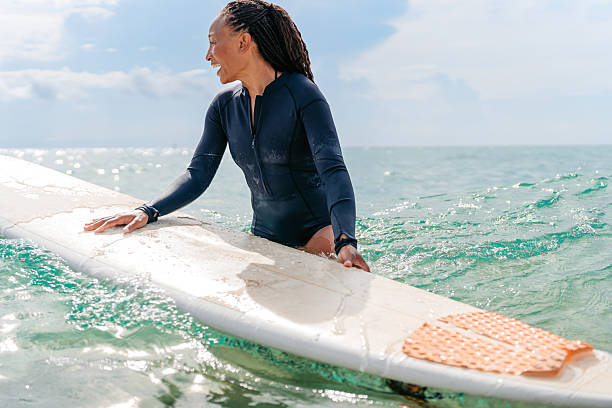
Absolutely, and they ripped! Hawaiian women, including royalty like Princess Ka’iulani, were celebrated surfers. They had their own boards and breaks, and were known for their grace and power in the water. Surfing was a key part of courtship, too—a way for men and women to mingle and show off their skills. The sport wasn’t a boys’ club; it was a community activity where everyone, from keiki (kids) to kupuna (elders), could enjoy the glide.

Missionaries and colonists nearly wiped it out, which is a heavy chapter. They saw the nearly-naked, sport-loving culture as sinful and lazy. By the late 1800s, surfing was in serious decline. Thankfully, a few Hawaiians kept the flame alive at spots like Waikiki. Legends like Duke Kahanamoku then took that flame and became the “Father of Modern Surfing,“ sharing stoke worldwide. The ancient spirit of he’e nalu survived, and we owe our whole modern lifestyle to that resilience.

It was a long, spiritual process, bro. They’d select the right tree—often koa, breadfruit, or wiliwili—and make an offering before cutting it down. Using coral and stone adzes, they’d painstakingly shape the board, then smooth it with rough ’oahi stone or coral. Finally, they’d finish it with kukui nut oil or root sap to seal it. The whole ritual could take weeks or months. The board wasn’t just equipment; it was a partner with its own spirit.