All Articles

Live Surf Cams

Surfline Live is a 24/7 glimpse into the world’s surf.

This stream moves through Surfline’s global camera network, showing spots where it’s daylight and rated Fair or better.

What’s The Deal With…?

Surf Icons & Heroes

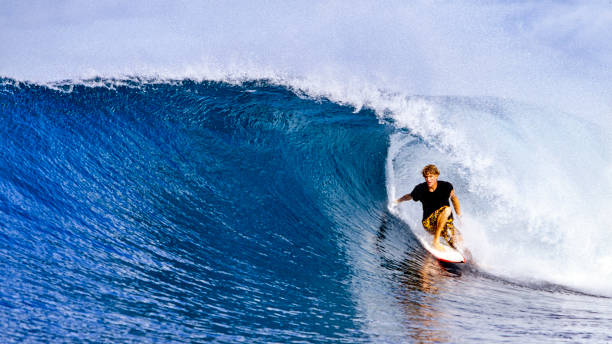
Pipeline was his backyard playground. That heavy, grinding reef taught him everything about wave reading, commitment, and respect. From grommet days, he was learning in the most powerful, critical surf on earth. That foundation gave him an unreal sense of timing and a fearless approach to any section. When you learn in juice like that, everything else feels a bit more manageable. It built the power that he now takes into his aerial maneuvers.

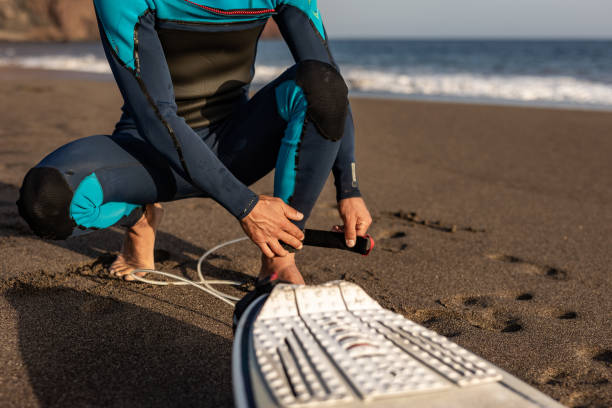
The dreaded pretzel leash usually comes from coiling it incorrectly. After your session, never wrap it tightly around your tail pad or fins. Instead, use big, loose loops, following the natural curl of the urethane cord. Store it loosely in your gear bag, not stretched out. Before paddling out, lay the leash straight in the water to let any twists wash out. A little care goes a long way in preventing a tangled mess when you need it most.

It connects you to the roots and soul of the sport. Knowing the legends, the evolution of board design, and the iconic breaks gives depth to your own experience. The lingo is our shared language—it’s how we communicate stoke, describe waves, and bond in the lineup. Calling a wave “sick” or a turn “radical” is part of the tribe’s identity. It shows respect for those who carved the path before us. You’re not just riding a wave; you’re stepping into a rich, global culture.

Surfboard Evolution

It’s all about the vibe you want. Traditional polyurethane foam and fiberglass with polyester resin (PU/PE) is the classic feel—flexy and responsive. EPS foam with epoxy resin is lighter, stronger, and floats better, which is awesome for smaller waves or if you’re just getting your feet wet. Epoxy boards can feel a bit stiffer, but they’re crazy durable. Then you’ve got soft-tops (foamies) for total beginners. Each combo changes how the board paddles, turns, and feels under your feet.

Ditch the ego and embrace the grind. It’s all about water time—the more you paddle out, the more you learn. Focus on reading the lineup, nailing your pop-up, and understanding etiquette before trying to rip. Respect the locals and the ocean. Remember, everyone was a beginner once. Consistency is key; even a messy session in small mush teaches you something.

Fins are your connection to the wave face, man! A single fin (like on a log) gives you smooth, drawn-out turns. Thrusters (three fins) are the standard for performance, offering a perfect balance of drive and release. Quads (four fins) give you insane speed and hold on steeper waves. Twin fins are all about loose, skatey feel. Experimenting with setups is a great way to change the feel of your board without buying a new one.