All Articles

Live Surf Cams

Surfline Live is a 24/7 glimpse into the world’s surf.

This stream moves through Surfline’s global camera network, showing spots where it’s daylight and rated Fair or better.

What’s The Deal With…?

Surf Lingo & Slang

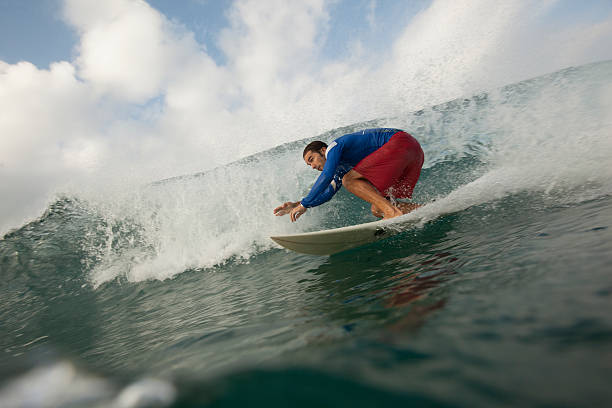
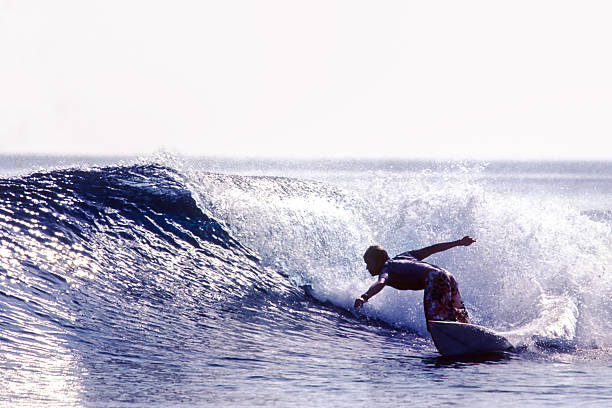
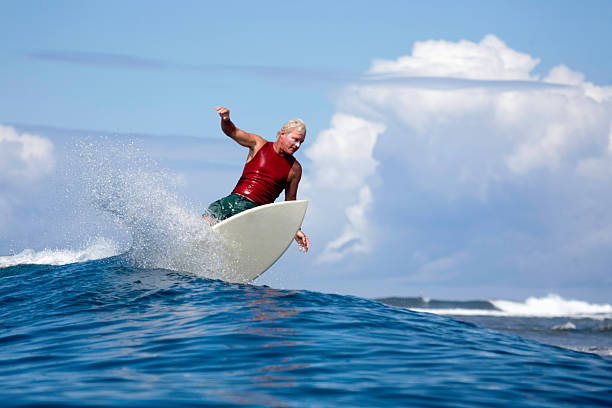
Both are top-turn maneuvers, but for different situations. A floater is for when the wave is throwing out a bit but not fully barreling. You ride up and over the crumbling lip, “floating” on the foam before dropping back down. A re-entry is more aggressive. You attack a pitching lip head-on, smacking the top of the wave with a sharp turn and driving back down the face. It’s a powerful, carving move. The floater is about finesse and timing; the re-entry is about power and aggression on a steep section.

A good leash! A cheap, thin leash is a liability. It can snap, sending your board flying into others—a major safety hazard known as a “board missile.“ Invest in a solid, urethane-cord leash that matches your board’s length. It’s your connection to your equipment and a critical piece of safety gear for everyone in the water. While you’re at it, make sure the rail saver is properly attached to your board’s plug. Trust us, swimming in after a lost board is no fun.

Not necessarily, dude. High-performance shortboards are for powerful, pitching waves when you’re going vertical. For your daily driver, you want something more forgiving and versatile—think a fish, a funboard, or a groveler. These boards get you into waves easier, offer more paddle power, and let you have a blast in less-than-perfect conditions. Save the razor-sharp performance blade for when it’s firing.

Legendary Surf Spots

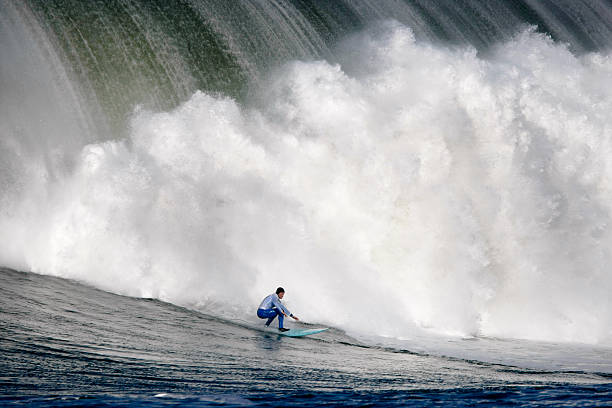
Tides and swells can totally transform a wave. Some spots, like The Box in WA, only come alive on a low tide with a huge swell, turning into a shallow, barreling beast. Others, like many tidal points, need a specific push of water to start working. Reading surf forecasts and understanding how your local spot reacts to different conditions is a superpower. It’s the difference between a flat day and scoring the session of your life.

Ditch the petroleum-based wetsuits for ones made from natural rubber like Yulex. Look for boards from shapers using recycled foam blanks or sustainable materials like paulownia wood. Support brands with repair programs and recycle your old wax. Every little bit helps reduce your footprint in the water you love.

Proximity to the break is huge for dawn patrols. Look for places with secure board storage—a locked room or rack. A place with a kitchenette saves cash and lets you fuel up properly. Check if they have a rinse area for gear. Hostels are great for social vibes, but a private cabana or van camp might offer more flexibility. Read reviews from other surf travelers; they’ll mention the crucial details.