All Articles

Live Surf Cams

Surfline Live is a 24/7 glimpse into the world’s surf.

This stream moves through Surfline’s global camera network, showing spots where it’s daylight and rated Fair or better.

What’s The Deal With…?

Surf Lingo & Slang

For a punchy, hollow reef, you often want more board under you—a step-up or good-wave shortboard with extra paddle power and hold to get in early and handle the speed. For a softer, crumbly beach break, you can go with a more forgiving, wider, and maybe slightly thicker board to help generate speed in weaker sections. It’s about matching the tool to the wave’s power. Always error on the side of caution at a reef; you want confidence paddling into those set waves.

You gotta get watertight. This means next-level paddle fitness—lots of swimming and prone paddle workouts to battle currents. Core and leg strength for explosive take-offs and deep squats in the tube are vital. Breath-hold training is also huge for those hold-downs. It’s about building overall athleticism and endurance. You’re not just surfing; you’re surviving in a washing machine of raw ocean power.

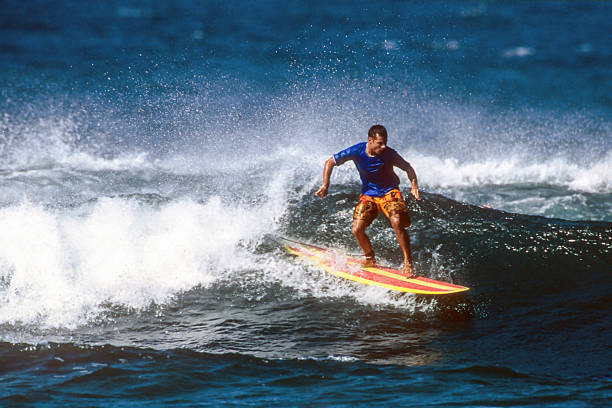
It was the golden age, from the late 1950s to the late 1960s, when everyone rode heavy, single-fin logs, usually over 9 feet long. This was the dawn of modern surfing culture, shaped by icons like Miki Dora at Malibu and the smooth, soulful style of noseriding. The boards were big and buoyant, perfect for those classic, trim lines and walking to the front. It was less about shredding and more about grace, style, and hanging ten. The vibe was all about soul and expression on a wave.

Surf History & Legends

Riding Giants is the holy grail here, detailing the dawn of tow-surfing and mental preparation. The Big Wave Project and Take Every Wave also get deep into the mindset. You’ll hear from watermen like Laird and Greg Noll about managing fear, respecting the ocean’s power, and the intense training required. It’s incredibly inspiring and humbling, showing what’s possible when you push your limits with knowledge and respect.

Mental prep is everything out here. It starts with visualization—seeing yourself taking the drop and making the tube. You build confidence in smaller, hollow waves first. Understanding oceanography, like reading the reef and currents at Pipe, is key. Most importantly, you cultivate a calm focus. Respect the power, but don’t let fear freeze you. It’s about committing fully once you’ve paddled in.

Think beyond the fancy resorts. Look for hostels with board storage, guesthouses (los hospedajes), or even camping if it’s safe. Platforms like Airbnb can be cool for splitting a pad with your crew. The real secret? Talk to other surfers in the water or at the local shop. They often know about the cheap, hidden spots that aren’t online. Prioritize proximity to the wave; walking distance saves on transport and lets you chase the dawn patrol.