
All Articles

Live Surf Cams

Surfline Live is a 24/7 glimpse into the world’s surf.

This stream moves through Surfline’s global camera network, showing spots where it’s daylight and rated Fair or better.

What’s The Deal With…?

Surf Gear Essentials

For small nicks, a dab of neoprene cement works wonders. For bigger tears or seam leaks, you can get a patch kit. Clean the area, apply the glue, and hold it tight. But for major damage or critical seam failures, take it to a pro repair shop. They have the right materials and skills to make it watertight again. A proper repair can save your favorite suit from an early retirement.

It’s all about positioning and timing. Watch the sets for a while before paddling out. Identify the impact zone and the cleaner exit channels. Don’t paddle out directly where waves are peaking and pitching. Time your duck dives for the shoulder, not the thick of the lip. Sometimes, the smartest move is to let a set roll under you in the channel instead of trying to scratch over it. Good ocean sense keeps you out of the washing machine more often than not.

Start by leaving expectations on the beach. Paddle out with gratitude, not a checklist. Focus on the sensations: the chill of the water, the push of the swell, the sound of the rail in the trim. Ride the board that feels most fun, not the most high-performance. Share a wave with a friend and hoot for them. Sometimes the most meaningful session is a mellow one in so-so waves, just you and the saltwater, remembering why you fell in love with this in the first place.

Surf Technique Deep Dive

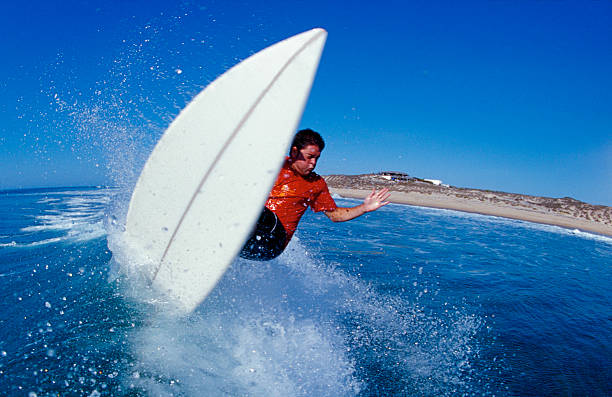
It’s a back-foot-driven move, bro. As you initiate, you want about 60-70% of your weight on that back foot, pressing down on the tail to really sink the rail and pivot the board. Your front foot guides and steers, but the power comes from the rear. It’s like a spring: compress down, then explode off that back foot. Too much weight forward and you’ll just go straight or nose-dive. Get that rear foot working!

Beyond the standard bandages, pack items for surf-specific injuries. Include antiseptic for reef cuts, waterproof tape and super glue for sealing those gashes, and anti-inflammatory pills. Throw in some ear drops to prevent surfer’s ear flare-ups, zinc for sun protection, and a good seasickness remedy if you’re doing boat trips. A small tube of solarez can fix board dings that might cut your feet. Being prepared lets you handle minor issues and get back in the water faster.

Treat it like a skatepark! Get a fish or a funboard for extra glide. Paddle for everything that has a ripple. Focus on generating speed from your very first bottom turn—pump down the line. Practice new maneuvers you’re too sketched to try on bigger waves: cutbacks, floaters, even little airs. Small days are for perfecting your flow and reading weak sections. Don’t just sit there waiting for the set of the day; be active, move around, and milk every bump. You’ll be surprised how much fun you can have.