All Articles

Live Surf Cams

Surfline Live is a 24/7 glimpse into the world’s surf.

This stream moves through Surfline’s global camera network, showing spots where it’s daylight and rated Fair or better.

What’s The Deal With…?

Mastering the Waves

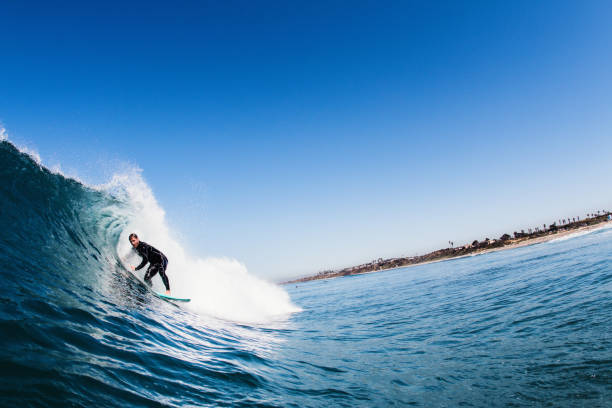
It’s about predicting what the wave will do before it happens. Watch the horizon for lumps that signal a set. As it approaches, look for the highest peak—that’s where it’ll break first. Notice the angle of the swell and the wind. You’re looking for the energy pocket, the shoulder, and any sections that might line up or close out. This skill comes from countless hours in the lineup. It’s your roadmap for the ride.

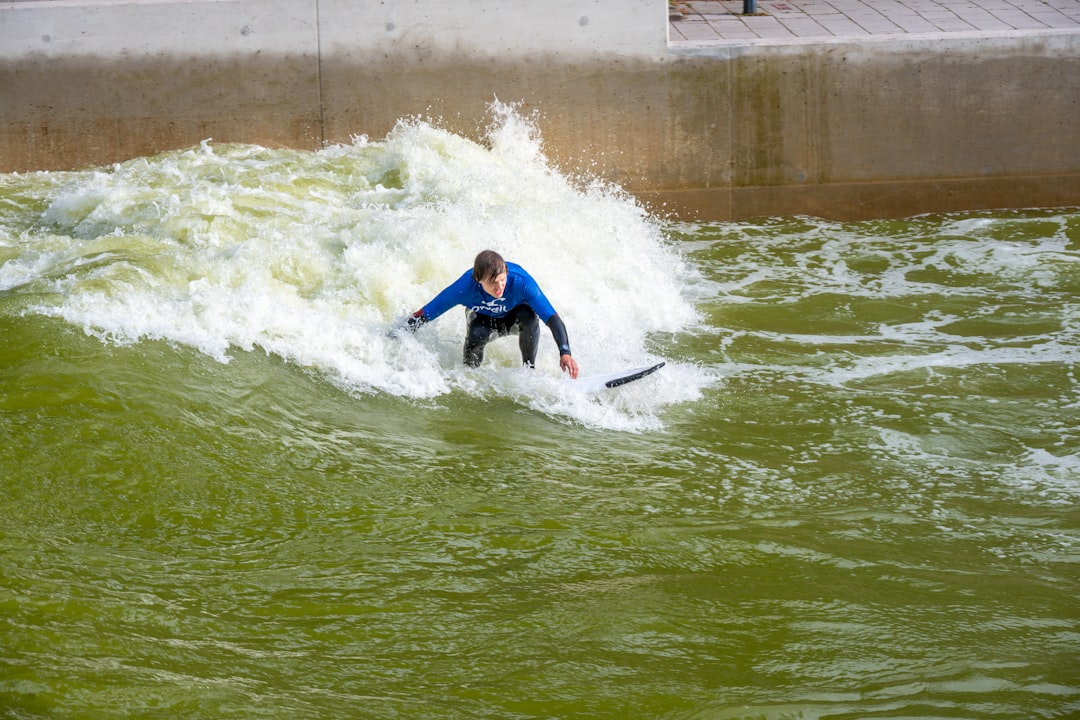
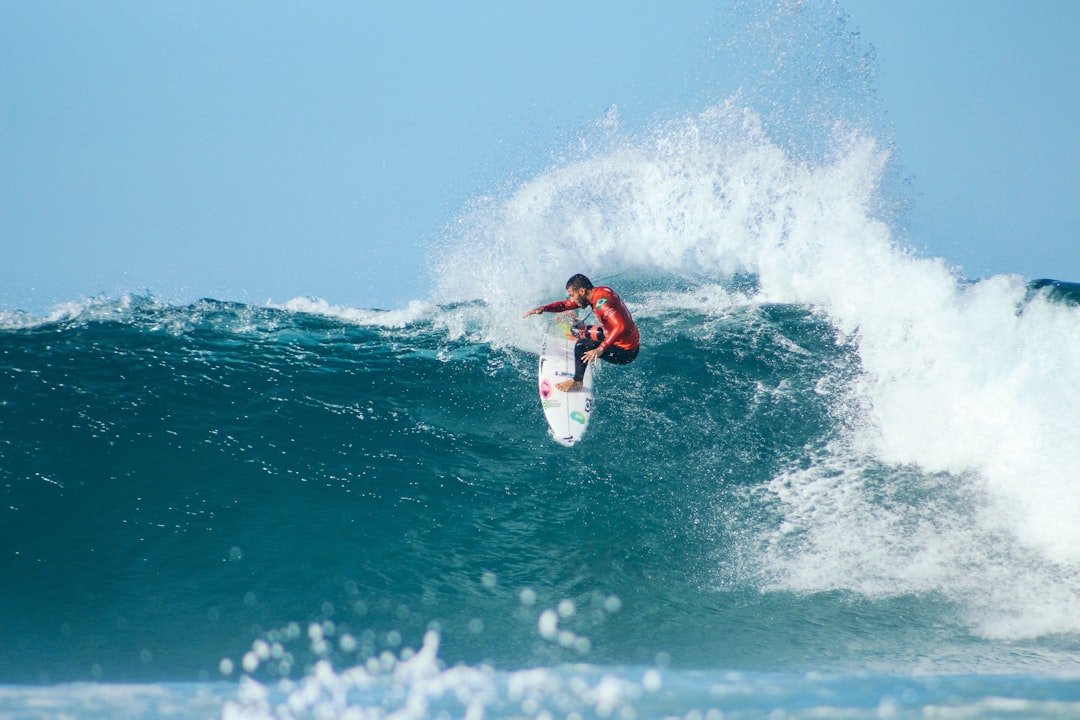
Timing and commitment, bro! It starts with generating speed down the line. As you approach the shoulder, shift your weight to your back foot, look where you want to go—back towards the whitewater—and really drive your rail through the turn. Don’t be afraid to lean into it! The goal is to redirect your momentum back toward the power source of the wave. It might feel sketchy at first, but once you stick it, you’ll feel the magic.

There’s major value in becoming a local expert—knowing every bump and bowl of your home break. But traveling to different waves expands your repertoire massively. A point break teaches you flow, a beach break sharpens your quick decision-making. Chasing swells to new spots is the ultimate education and keeps the journey fresh. Mix it up for a well-rounded waterman skillset.

Surf Travel Adventures

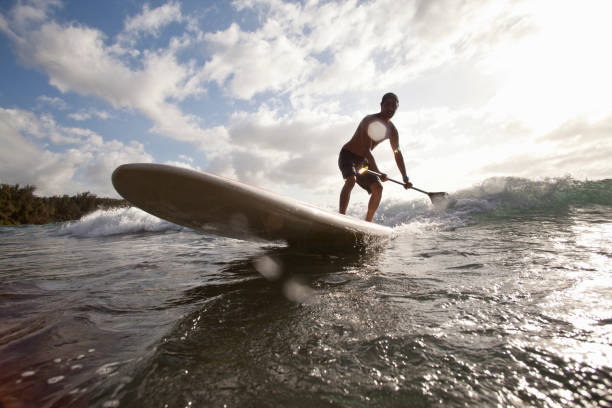
No stress! This is when you explore the other parts of the culture. Go for a bodysurf, rent a SUP, or snorkel. Check out the local town, try the food, and maybe take a lesson in something new like fishing or carving. These down days are part of the rhythm. They let you rest up for when the swell hits and often become the best stories—the wild characters you met and the hidden spots you found.

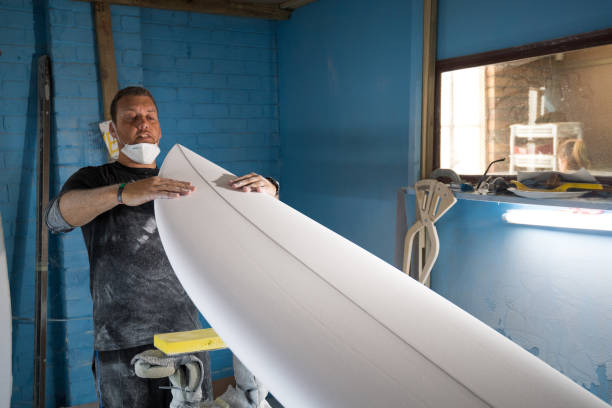
A core shop is deeply rooted in the local scene. It’s usually owned by surfers, employs surfers, and supports local contests, beach clean-ups, and artists. Their focus is on performance equipment first—boards, wetsuits, fins, traction. They’ll have posters of local breaks on the wall and likely a ding repair bay in the back. It’s the antithesis of a mall chain; it’s a hub where you go for trusted advice and to feel connected to the pulse of your local surfing community.

The mythical “quiver killer” is a dream, but most boards are designed for a specific range. A funboard or a hybrid comes closest, handling a variety of conditions decently. But for optimal performance, you’ll eventually want different sticks. A small-wave board, a daily driver, and a step-up for bigger days cover most bases. One board can get you in the water, but a small quiver lets you dance on whatever the ocean serves up.