All Articles

Live Surf Cams

Surfline Live is a 24/7 glimpse into the world’s surf.

This stream moves through Surfline’s global camera network, showing spots where it’s daylight and rated Fair or better.

What’s The Deal With…?

Legendary Surf Spots

Summer and early fall are magic. Southern Hemisphere swells light it up, and the prevailing offshore winds (the famous “Malibu airflow”) kick in in the afternoon, grooming the surface to glassy perfection. Swell direction is crucial; you want a solid south or southwest swell to wrap into the cove. Winter can have its days with west swells, but it’s less consistent. Honestly, a sunny summer afternoon with a south swell is the iconic Malibu experience.

It’s a total game-changer, brah! The Kelly Slater Wave Company created a perfect, man-made barrel that breaks exactly the same, every single time. It’s not some mushy pool wave; it’s a legit, hollow, world-class left. This tech removes the variables—no waiting for swell, wind, or crowds. It’s revolutionizing training for pros and giving landlocked folks a taste of real surfing. It’s also sparked debates about surfing in the Olympics and the soul of the sport. Love it or hate it, it’s one of Kelly’s most impactful legacies beyond the ocean.

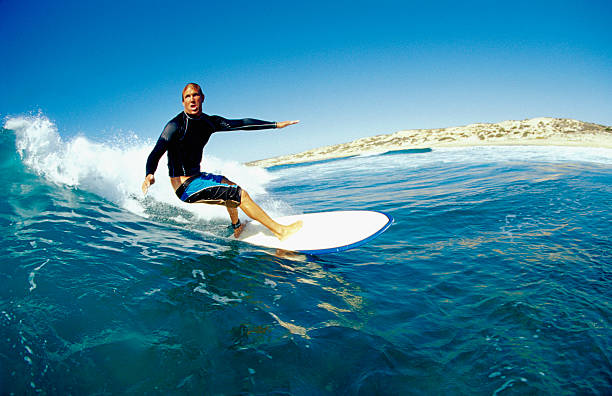
Talk to a good shaper or shop guru, for real. Be honest about your ability and the waves you usually surf. As you progress, you often need less volume, not more. Focus on a board that suits your local breaks—don’t get a good-wave board if you surf mushburgers most days. Refine your quiver slowly; your next board should address a specific limitation in your current one, like needing more hold on the face or better performance in weak waves.

Surfboard Evolution

Think of the foam blank as the board’s soul. PU (polyurethane) is denser, giving that traditional, slightly heavier feel that many believe connects better to the wave’s energy. EPS (expanded polystyrene), used in epoxy boards, is full of tiny air bubbles, making it super light and buoyant. This can make the board feel more lively and quick to accelerate, but sometimes at the cost of that deep, rail-burying drive. It’s the difference between a muscle car and a nimble sports bike.

Think of it like the difference between a big gun and a fish today. The olo was the Cadillac—thick, super long (up to 20 feet!), and reserved for the ali‘i (royalty). It was for gliding on smaller swells. The alaia was the shortboard of its day: thinner, shorter (6-12 feet), and more maneuverable. It was for the commoners and could handle gnarlier waves. Both were finless and required a totally different, toes-on-the-nose style to ride.

First, learn the rules: don’t drop in, paddle wide of the peak, and don’t ditch your board. Watch and learn from experienced locals. Match your equipment to your skill level—no ripping on a giant foamie, but also no struggling on a tiny high-performance shred stick. Most importantly, be humble, apologize for mistakes, and focus on control over recklessness. It’s all about sharing stoke, not stealing waves.